


- A former pupil says a teacher sexually and physically abused him several times when he was 13.
- The school says the South African Schools Act makes the provincial education MEC responsible for some school-related damages.
- Judge P van Zyl dismissed the school’s challenge, so the damages claim against the institution can go ahead.
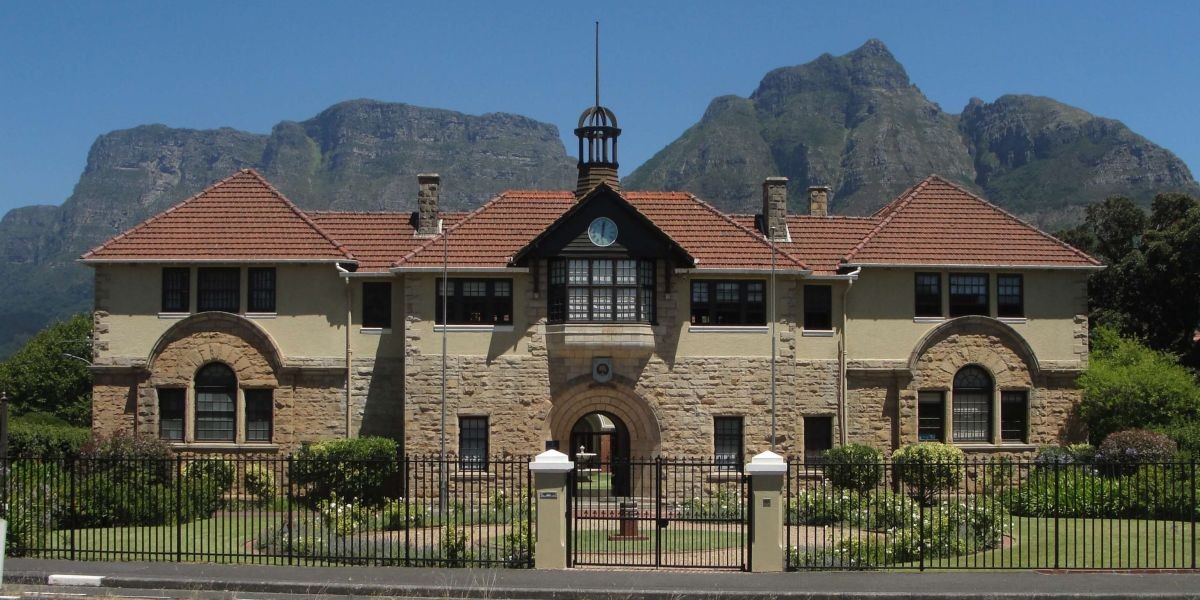
A former pupil who says he was sexually and physically abused by a teacher at Rondebosch Boys’ Preparatory School has cleared a legal hurdle in his effort to claim damages from the school.
The school argued that it could not be held responsible because the South African Schools Act shifts certain claims to the state. But the High Court in the Western Cape rejected the school’s attempt to have the claim dismissed before any evidence is heard.
When handing down judgment on 16 November 2026, Judge P van Zyl found the school’s argument could not be decided without looking at the evidence and the circumstances around the alleged abuse.
Former pupil describes alleged abuse during 1988 school year
The former pupil is seeking substantial damages from former teacher Iain Wares, Rondebosch Boys’ Preparatory School, and the Western Cape MEC for Education. According to his statement to the court, the abuse started in 1988 when he was 13 and attending the school. Wares was working as a teacher and also coached rugby, cricket, and other sports.
The former pupil says Wares regularly reprimanded him about his appearance, for being too loud, and for running on the school grounds. He says these encounters happened several times a week in various parts of the school building. He also says Wares would pretend to tidy him up, then push him against a wall, hit his head against it, and grope his genitals and anus.
The court documents describe repeated sexual grooming, psychological manipulation, and sexual assault over about 10 months. The former pupil says this happened at least once a week, in plain sight on the school grounds and sometimes in front of other learners and teachers.
He says he suffered severe emotional shock and trauma, and is still dealing with the consequences. His claim includes general damages, past and future medical expenses, and loss of earnings.
School argues MEC should be held liable
The school challenged the claim, arguing that it did not show a valid case against the school. The school’s objection relied on Section 60 of the South African Schools Act 84 of 1996.
This law makes the state responsible for damages or loss caused by an act or failure to act in connection with a public school activity, if the school would otherwise have been liable. Section 60(3) says these claims must be made against the provincial MEC.
The school argued that what happened was part of school activities, since Wares was a teacher and coach and the pupil was at the school. The school said the Western Cape MEC for Education, not the school, should answer the damages claim. The plaintiff, however, advanced two grounds for holding the school liable.
The first ground was vicarious liability. He argued that Wares was acting as part of his job or that there was a close enough link between the alleged abuse and his responsibilities as a teacher and sports coach standing in for a parent.
The second ground was direct liability. The former pupil said the school itself acted wrongly, either on purpose or through serious carelessness, by not taking steps that could have stopped the abuse.
Judge says school’s argument requires evidence
Judge Van Zyl explained that an exception is a legal objection that claims there is a basic flaw in the case. When the defendant says the claim does not show a valid case, the court must take the allegations as true and decide if they could support a legally recognised claim.
The judge said the school wanted the court to rule that no matter what evidence came out, the former pupil could not win against the school. But deciding whether section 60 applies means looking at whether the alleged harm came from something connected to a school activity and whether the school would otherwise be responsible.
Judge Van Zyl pointed out two problems with the school’s argument. First, the former pupil’s claim was not just about vicarious liability. He also said the school itself was at fault for not doing more to prevent the abuse.
The judge said the school could be held responsible on this other basis, even if it is not proven that what the school failed to do was connected to a school activity as defined in the law. Second, the judge said a trial court could find that what Wares is accused of doing was closely enough linked to his job to make the school vicariously liable, without having to decide it was part of an official school activity.
Judge Van Zyl said I am unable to assume that the trial court will find that the School’s alleged failures were in connection with a school activity as that term is defined. The judge added that the school’s arguments about how to interpret section 60 might help the trial court later, but those issues should not be decided now.
The judgment also mentioned the Constitutional Court’s decision in Moodley v Kenmont School, which confirmed that while Section 60(3) says some claims should be against the MEC, it does not stop a public school from being included when appropriate.
Whether legislation applies to 1988 allegations remains unresolved
The former pupil also argued that Section 60 should not apply because the alleged abuse happened almost 10 years before the South African Schools Act took effect in January 1997. His lawyer, identified only as Mr Block, questioned whether the law could apply to something that allegedly happened in 1988, before the law existed.
The argument touched on issues about whether laws can be applied to the past, Section 12(2) of the Interpretation Act 33 of 1957, and section 52 of the Schools Act, which deals with schools that existed before the law was in place and how their assets and responsibilities were handled.
However, Judge Van Zyl said it was not necessary to decide that question when ruling on the school’s objection. Whether the law can be applied to what happened in 1988 remains a key issue for the trial.
School ordered to pay costs
Judge Van Zyl dismissed the school’s objection and ordered Rondebosch Boys’ Preparatory School to pay the legal costs, including counsel’s fees.
The question of whether the abuse happened or not, and whether or not the school is responsible for damage, as well as how Section 60 of the Schools Act applies, still needs to be decided in court.
Get your news on the go. Click here to follow the Conviction WhatsApp channel.
