


- The South Gauteng High Court ruled that Pride Mngomezulu was unlawfully arrested in a rape case involving a minor, awarding him R350 000 in damages.
- The arresting officer admitted to acting on hearsay without verifying evidence, prompting the judge to criticise police conduct and investigative lapses.
- The ruling highlights systemic failures in handling sexual violence and calls for urgent reform in police procedure and trauma-informed justice.
The South Gauteng High Court has ruled that Pride Mngomezulu was unlawfully arrested in a rape case involving a minor.
The arresting officer admitted to acting on hearsay without verifying evidence, prompting the judge to criticise police conduct and investigative lapses. The ruling highlights systemic failures in handling sexual violence and calls for urgent reform in police procedure and trauma-informed justice.
The court found that the arrest of Mngomezulu, accused of raping a nine-year-old girl, was unlawful and procedurally flawed. He was awarded R350 000 in damages for wrongful arrest and detention.
The case, heard in Johannesburg, centred on a traumatic incident reported nearly a year after it allegedly occurred. In September 2017, a young girl, referred to in court as K, was allegedly assaulted following a family gathering and drinking session at the house of a friend, B. Her older sister, D, reported the incident to police in 2018, prompting a medical examination that revealed injuries consistent with sexual violation. K later identified Mngomezulu as her assailant.
The injuries were not recent, which aligned with an attack that had occurred months before K disclosed it to D. On 11 August 2018, K gave a statement to the Soweto Family Violence, Child Protection and Sexual Offences Unit, stating she had been raped at B’s house by a man she knew as Linda. It was common cause at trial that Linda referred to Mngomezulu.
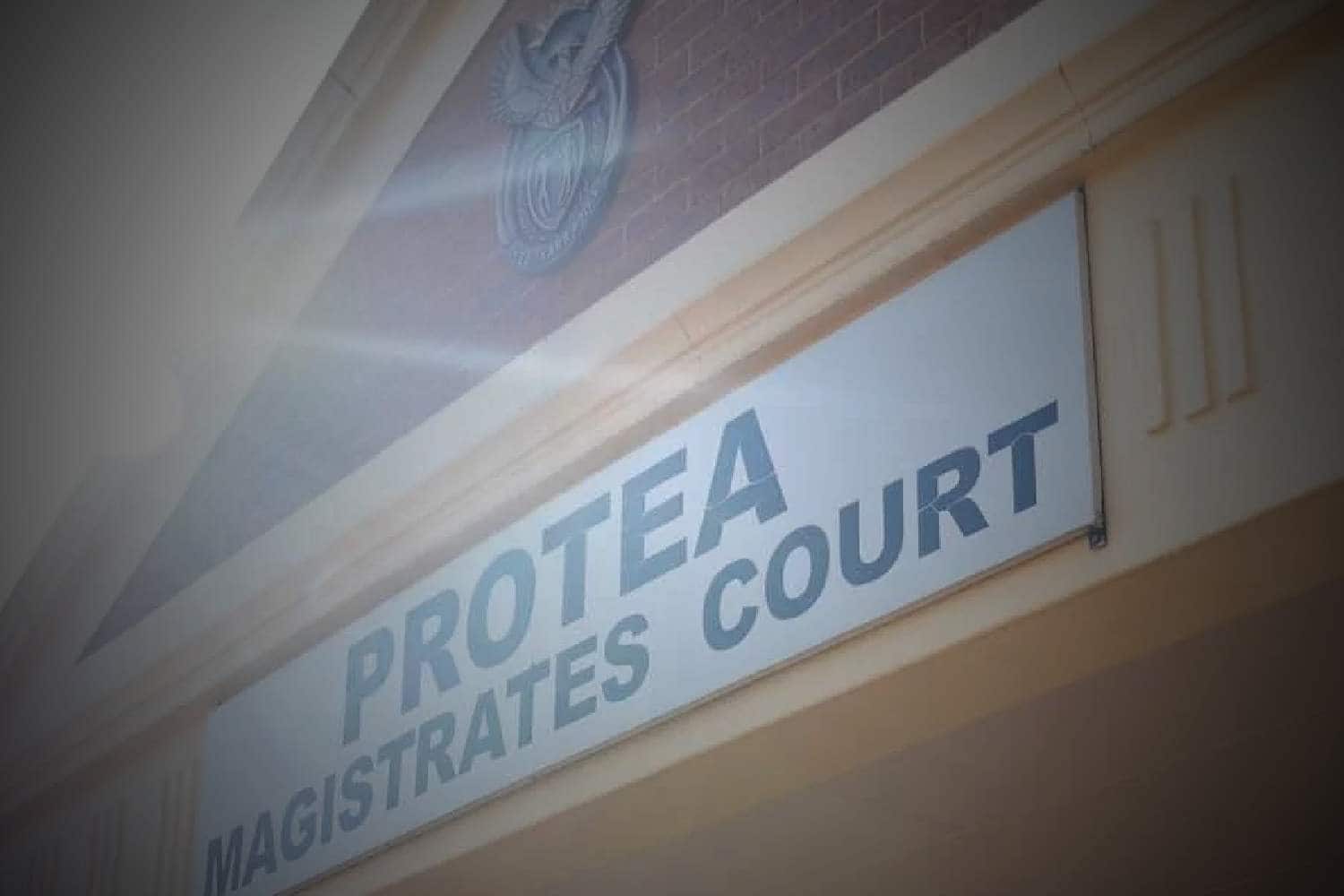
Mngomezulu gave no comment during his post-arrest interview. He appeared at the Protea Magistrates’ Court on 13 August 2018 and was granted bail on 24 August. On 1 October 2018, the case against him was provisionally withdrawn.
According to Control Prosecutor identified as Mr Madibela, the withdrawal was due to the absence of a statement from B, who was allegedly present during the incident. A statement was eventually obtained from B on 11 May 2019, in which B denied any knowledge of the rape. The prosecution has not been pursued in the six-and-a-half years since.
But what followed was not a careful, trauma-informed investigation; it was a procedural collapse.
A system that failed everyone
Sergeant Xolisa Mbiza, the officer who arrested Mngomezulu, testified that he acted on informal instructions from unnamed colleagues at the police station. He admitted that he did not personally assess the evidence or conduct a thorough investigation before executing the arrest. This lack of due diligence became the fulcrum of the court’s decision.
Judge SDJ Wilson was unequivocal in his criticism: “The duty was on Sgt Mbiza to consider and critically assess the information linking Mr Mngomezulu to K’s alleged rape.” The judgment noted that while medical reports and testimony emerged after the arrest, they could not retroactively justify a detention that was procedurally unsound from the outset.
The court stopped short of declaring the arrest malicious, acknowledging that the officers may not have acted with intent to harm. However, the absence of reasonable suspicion and the reliance on hearsay rendered the arrest unlawful. The prosecution was later provisionally withdrawn due to insufficient evidence, leaving both the accused and the complainants in a painful limbo.
Conviction.co.za
Get your news on the go. Click here to follow the Conviction WhatsApp channel.
