


- The court found that Sunnyboy Nene was unlawfully arrested and detained as an adult despite being a minor with severe intellectual disability.
- Police, prosecutors and correctional services all failed to verify his age or protect his rights.
- The Supreme Court of Appeal imposed joint liability on the state and ordered punitive costs.
A 17-year-old child with a severe intellectual disability was arrested, processed as an adult, and detained for nearly three months in conditions that left him deeply traumatised and exposed to serious harm.
The Supreme Court of Appeal has now found that this outcome resulted from a systemic failure across South Africa’s criminal justice system.
Acting through curator Lizelle Schreuder, Sunnyboy Nene pursued a civil claim after his arrest on 12 February 2013 and detention until 3 May 2013. The High Court in Pretoria dismissed his claim and imposed punitive costs against him. The appeal court overturned that decision in full.
Judge RM Keightley held, “This matter concerns the consequences of a systemic failure of the criminal justice system in respect of a highly vulnerable accused person, Sunnyboy Nene, who was a minor at the time of his arrest and detention.”
Background and arrest
Nene lived with his aunt and guardian, Ephi Nonhlahla Motala, and attended a special needs school in Atteridgeville. After going missing from school, he was found in Montana and arrested for allegedly attempting to steal a handbag.
From the outset, critical information about him was either incorrect or simply ignored. Police recorded different names, captured inconsistent ages, and failed to obtain a proper address. A birth date recorded in the docket suggested he was 27 years old, a detail that should have prompted immediate scrutiny.
Despite clear signs of vulnerability, officers claimed he appeared normal. The court rejected this version. It noted, “Their evidence to the contrary is simply not credible.”
Nene was unable to sign documents, struggled to communicate, and appeared frightened and confused. Yet he was processed as an adult and informed of his rights in a language he did not understand.
Failure to apply child justice protections
The Supreme Court of Appeal found that none of the safeguards under the Child Justice Act was applied. Nene was not assessed by a probation officer, and his guardian was not notified. Judge Keightley emphasised, “He was afforded neither of these protections.”
The court made clear, “The fact that the arresting officers did not know that Mr Nene was a minor is no justification and did not render his arrest lawful.”
Instead, the officers assumed he was an adult and made no proper effort to investigate his identity or circumstances.
Detention and deterioration
At his first court appearance, a magistrate immediately noticed that Nene was mentally impaired. A district surgeon confirmed this, reporting, “Not fit to stand trial. Not fit to give a statement or instruct counsel. Cannot participate in trial proceedings.”
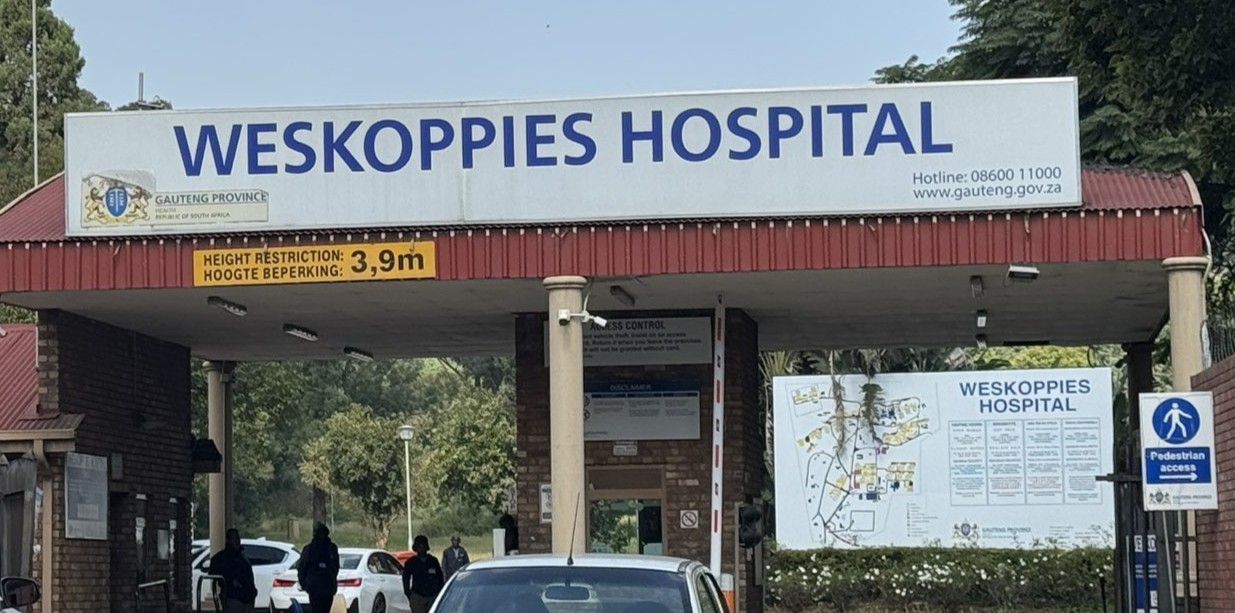
Despite this clear finding, Nene remained in custody. He was detained at Newlock Prison and later transferred to Weskoppies Psychiatric Hospital. During this time, his condition deteriorated significantly. Records showed that he became psychotic, incoherent, and unable to care for himself.
Judge Keightley observed, “Contrary to the objectives detailed in s 12(d) of the CJA, Mr Nene was then brutally exposed to the adverse effects of the formal criminal justice system.”
The court recorded, “He showed signs of psychosis, bed-wetting, faecal incontinence and severe distress.” There were also reports of assault and injuries consistent with sexual abuse, a stark reminder of the state’s failure to protect one of its most vulnerable citizens.
Prosecutorial and investigative failures
Prosecutors failed to question obvious inconsistencies in Nene’s identity and age, and did not act on clear medical evidence of his incapacity.
Even after receiving reports confirming his condition, the prosecution continued. One prosecutor stated, “He was not innocent. He appeared in court like any other accused. He was not innocent.”
The court found, “It is indeed shocking that a public prosecutor could have been oblivious to one of the most fundamental constitutional principles governing criminal prosecutions, namely the presumption of innocence.”
Detective Zulilwe Thabethe failed to carry out instructions to trace Nene’s address, a step that could have led to his earlier release. Taken together, these failures contributed directly to his prolonged detention.
Unlawful detention and state liability
The Supreme Court of Appeal rejected the argument that detention was lawful simply because it was authorised by a court order.
Judge Keightley explained, “The mere fact that a series of magistrates issued orders remanding him in detention is not sufficient to establish that the detention was not arbitrary or without just cause.”
The court found that Nene’s detention as an adult was unlawful throughout. His rights to dignity, freedom and security were repeatedly violated.
The judgment records, “The security of Mr Nene’s person and dignity was violated on a continuous basis throughout the period of his detention.”
Court findings
The appeal was upheld and the High Court decision set aside. The Minister of Police was held liable for the unlawful arrest and initial detention. The Minister of Police, the Minister of Justice and Correctional Services, and the National Director of Public Prosecutions were held jointly liable for the continued unlawful detention.
The court held, “The fair and just outcome is to hold them jointly and severally liable.” On costs, the court concluded, “Such conduct is thoroughly deserving of this Court’s censure in the form of an attorney and client costs award.”
Judge Keightley concluded, “The whole criminal justice system failed him.”
Get your news on the go. Click here to follow the Conviction WhatsApp channel.
