


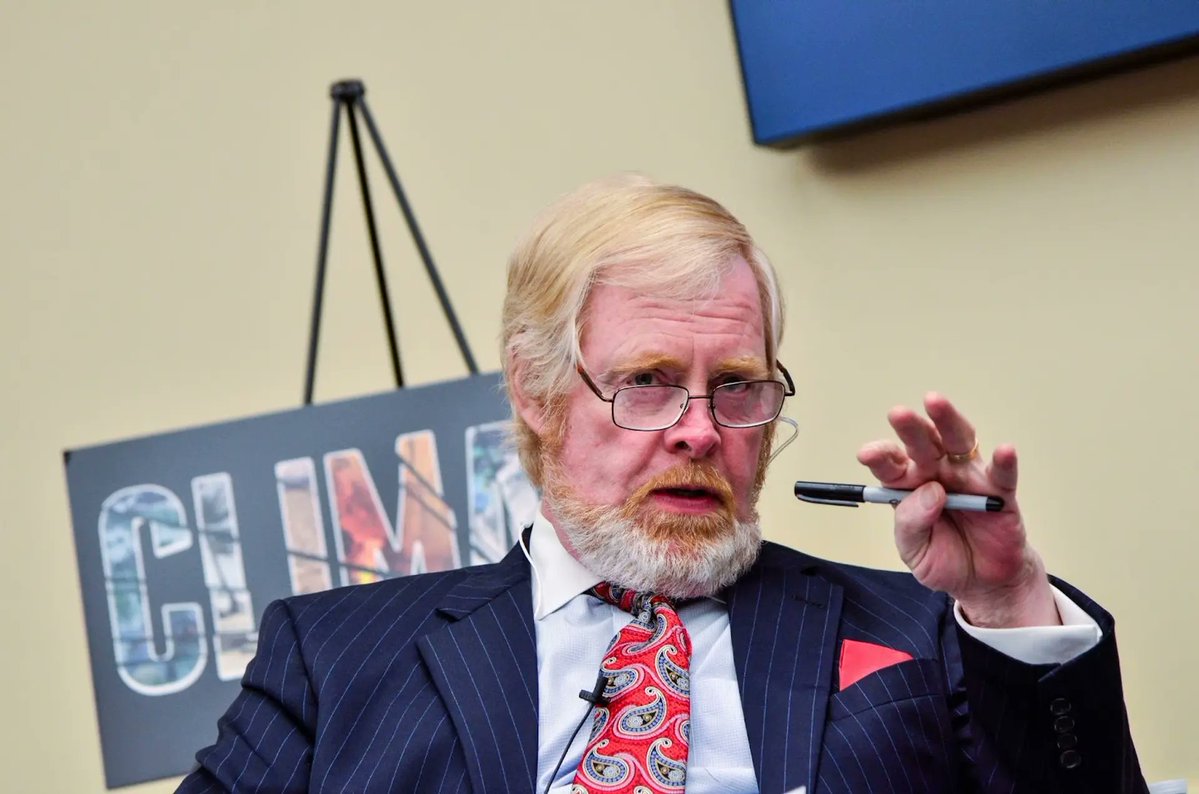
- Brent Bozell III promised to help Afrikaners who want to flee unjust racial discrimination.
- He said he would address South Africa’s growing ties with China, Russia, and Iran.
- His comments could revive racial tensions and strain US-South Africa relations.
Brent Bozell III, the person President Donald Trump wants to appoint as the next US ambassador to Pretoria, has raised concerns with comments about sensitive issues in South Africa, namely, race and land.
Speaking before the US Senate Foreign Relations Committee, Bozell stated that if confirmed, he would prioritise helping Afrikaners who feel mistreated. “I will support the president’s call for the South African government to cancel its support for the taking of private property without compensation,” he said. “I will also promote the president’s invitation to Afrikaners who want to flee unjust racial discrimination.”
His words echo Trump’s 2018 social media post, in which the then-president stated that white farmers were being attacked and losing their land. Those remarks were quickly dismissed by South Africa’s government and civil society, who argued they were based on false information and harmful stereotypes.
Bozell also said, “I will explore how we can support the South African government in ensuring that all South Africans can thrive without the threat of violence.” However, his wording has already faced criticism for portraying South Africa as a place where white people are victims of state-backed discrimination.
Facts show a different picture
In reality, South Africa has not enacted any law that allows land to be taken without compensation. The debate over expropriation remains bound by the Constitution, and any changes must go through court oversight.
The South African Police Service has found no evidence that farm murders are racially motivated. Researchers and officials have long noted that while violent crime is a significant issue, it affects people of all races and backgrounds.
Bozell’s assertion, which ties the land reform debate to racial persecution, obscures these facts and could reopen old wounds at a time when the country is trying to heal and rebuild.
Warning about China and Russia
Bozell also criticised South Africa’s deepening relationship with China and Russia. “If confirmed, I will express our concerns about South Africa’s shift from non-alignment toward our competitors, including Russia, China, and Iran,” he told senators.
He warned that this shift could damage relations with the United States. “When South African politicians welcome those who seek to undermine global peace and security, it becomes harder to find common ground between our two countries,” he said.
Bozell characterised his potential role as “a challenging moment for US-South Africa relations.” He promised to “level the playing field for US companies,” a comment that many analysts think was directed at China’s strong presence in South Africa’s infrastructure and energy projects.
The EFF has previously criticised President Donald Trump’s decision to nominate Brent Bozell III as the next United States ambassador to South Africa. In a statement, the party described Bozell as a “right-wing extremist” whose conservative views threaten to undermine progressive values and strain diplomatic relations. The EFF warned that his appointment would amount to the imposition of foreign ideologies that have no place in a democratic South Africa.
The party has also rejected Bozell’s reported nomination to the International Court of Justice for matters related to genocide in Gaza. It accused him of being a “white supremacist” linked to both apartheid sympathisers and individuals involved in the 6 January Capitol insurrection in Washington. According to the EFF, Bozell’s record and beliefs “pose a direct threat to global peace and justice,” and they have called on the international community to oppose his appointment.
Get your news on the go. Click here to follow the Conviction WhatsApp channel.