


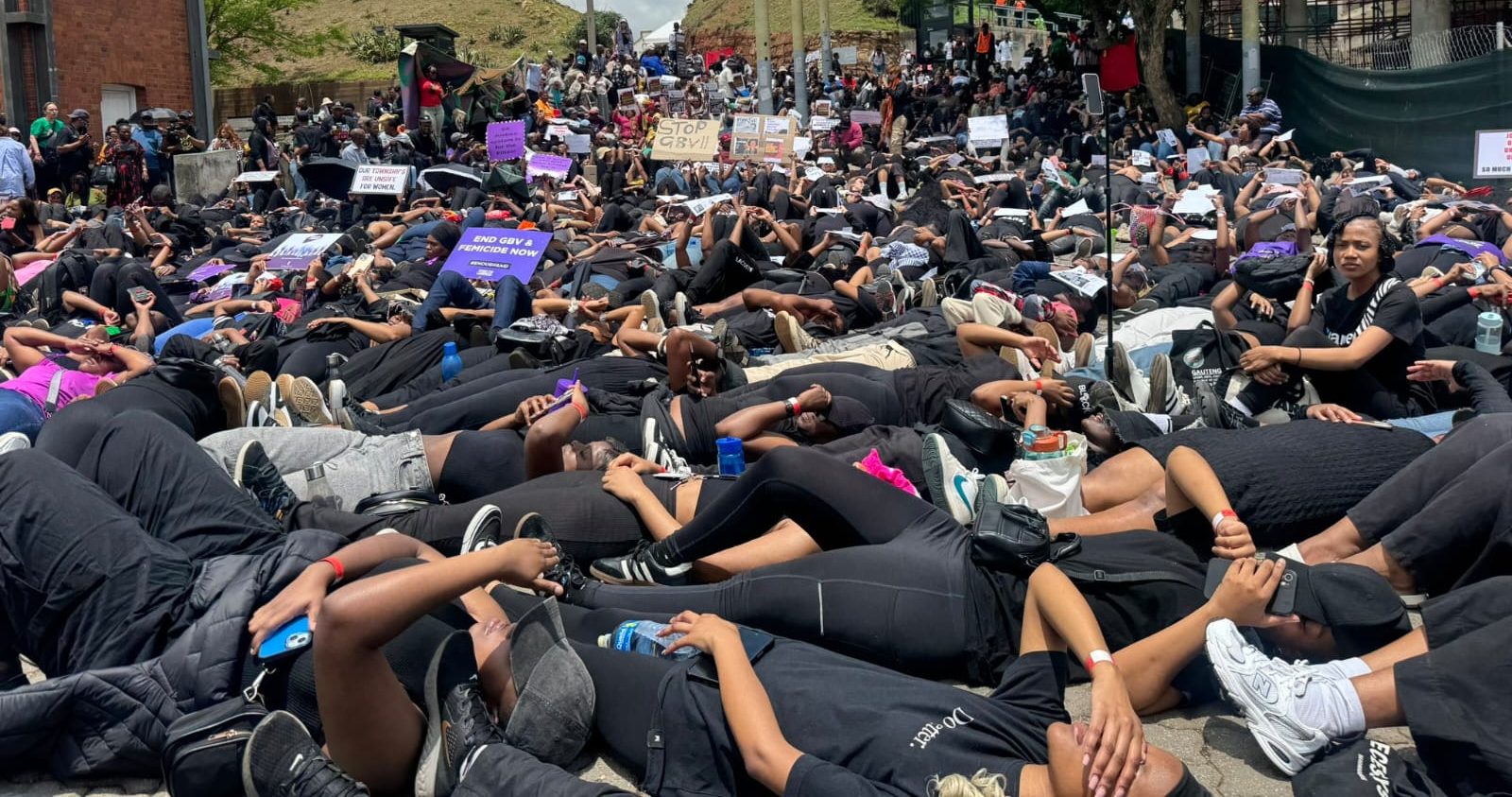
- The shutdown reframes the Black body as a site of resistance, contesting necropolitical exposure.
- Biopolitical governance and spatialized oppression perpetuate systemic gender-based violence.
- Transformative justice requires decolonial ethics, collective subjectivity, and reclamation of ontological dignity.
The persistent and structural crisis of gender-based violence (GBV) in South Africa necessitates an analytical hermeneutic that decisively anchors its genesis within the enduring colonial matrix of power (colonialidad del poder), Foucauldian modalities of power/knowledge, and spatialized dispositifs of oppression and resistance.
This colonial matrix establishes and sustains the racialised and patriarchal hierarchies that subsequently consign specific subjectivities and corporeal realities, particularly those of Black women, queer, and trans persons, to the necropolitical calculus and the status of social death (Mbembe).
This matrix is inextricably entangled with the coloniality of being, wherein colonial modernity not only subjugates populations materially but inflicts existential dispossession, constituting these corporeal forms as ontologically marginalised, dwelling in Fanon’s abject "zone of non-being."
Violence as ontological dispossession: The imperative to reclaim the Black body
The violence against these marginalised corporeal forms is fundamentally an act of ontological denial and epistemological dispossession. The failure of the post-apartheid state apparatuses to curb GBV can be read as a systemic act of abandonment, effectively exposing these lives to perpetual precarity and affirming their consignment to the necropolitical calculus.
The hypermasculine discursive apparatuses treat the Black body not as a sovereign self, but as a territory to be conquered, disciplined, or owned. The violence, therefore, performs the denial of their human imago Dei, justifying physical possession and destruction. The struggle to reclaim the Black body is the very counter-narrative necessitated by this dispossession; it is a fundamental demand for ontological recognition, a declaration that the body is not a site of colonial entitlement.
Biopolitical governance and spatial dispositifs
Drawing upon Foucault’s theory of power, we observe how the discursive apparatuses of hypermasculinity and heteronormativity performatively constitute gendered subjectivities, thereby reproducing and institutionalising violence.
Biopolitical governance, as articulated through state and parastatal apparatuses, simultaneously manages the population's vitality while strategically exposing (or abandoning) others to necropolitical logics, whereby life is either permitted subject to control or subjected to social and physical extermination.
Within South Africa’s postcolonial geography, spatiality becomes an active terrain where this violence is instantiated, be it urban townships, rural peripheries, or institutional spaces. This constant erosion of safety ensures the body is never truly at home, affirming its status as contested territory.
The shutdown as critical heterotopia and counter-conduct
Consequently, the national shutdown transcends mere economic cessation; it constitutes a critical heterotopia, “an other space” (Foucault), imbued with radical utopian potential. This space actively contests the hegemonic flow of necropolitical power through collective refusal and performative resistance. This transformative praxis momentarily re-signifies the Black body, shifting it from the object of necropolitical exposure to the subject of political insurrection.
It exposes the inherent paradox of South Africa’s societal order: a simultaneous locus of unabated violence and emergent refusal. This confronts the ongoing colonial-patriarchal violence embedded within its spatial and discursive matrices. This "other space" creates hermeneutic openings where alternative notions of gender justice, collective subjectivities, and decolonial futures might be enacted and imagined.
The shutdown further manifests as an instance of counter-conduct (Foucault), an insurrectional mode through which marginalised populations collectively re-politicise their conditions of epistemological and material dispossession and violence. This challenges both the state’s biopolitical governance and the deeper necropolitical realities inherited from colonial rule and apartheid.
These struggles demand that justice be conceived not simply in terms of punitive law enforcement but as transformative praxes that fundamentally destabilise the enduring colonial-patriarchal epistemologies, reclaiming human imago Dei and necessitating the reconstruction of social relationality predicated upon decolonial ethics of equity and care.
In this light, the struggle against GBV in South Africa is ultimately a struggle over being, space, and subjectivity, a challenge to the coloniality of power through the spatial and discursive disruptions that the shutdown instantiates. It holds the promise of realising utopian aspirations by weaving together the fragmented and disavowed narratives of those consigned to the zone of non-being, restoring their claim to life, agency, and decolonial justice.
Get your news on the go. Click here to follow the Conviction WhatsApp channel.
