


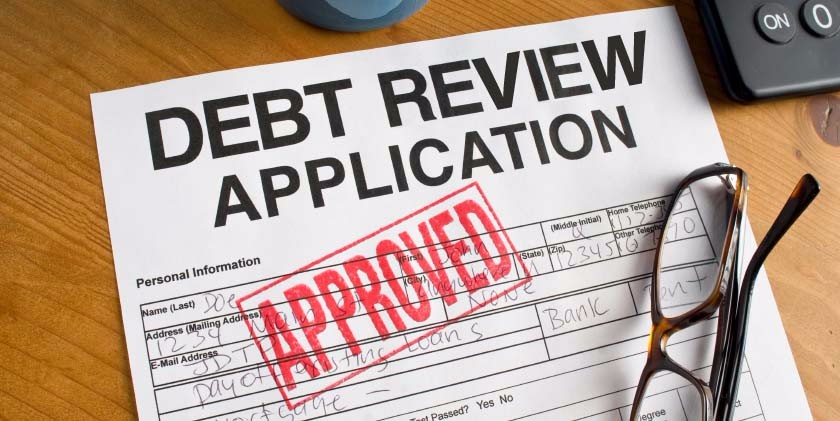
- Consumers are being warned not to pay for promises of a quick exit from debt review by simply transferring to another debt counsellor.
- The Debt Counsellors Association of South Africa explains that a transfer only changes the debt counsellor. It does not end debt review or remove your legal obligations.
- A Full Court of the High Court in Johannesburg has confirmed that you can leave debt review only through the legal steps set out in the National Credit Act.
If you are looking for a fast way out of debt review, be careful. The Debt Counsellors Association of South Africa (DCASA) has warned that some companies are charging people substantial fees with the false promise that switching to another debt counsellor will end their debt review.
The warning comes amid what DCASA says is an increase in misleading claims following the introduction of new debt counsellor transfer guidelines. According to the association's consumer alert, many people are paying for transfers only to discover they remain legally under debt review because their debts have not been settled. The association is urging consumers to understand the legal position before paying anyone who promises an immediate exit from debt review.
Transfer does not end debt review
DCASA says changing debt counsellors does not change your legal status and should never be mistaken for an exit from debt review. The association emphasises that a transfer only moves your file from one debt counsellor to another while all your legal obligations remain in place.
The consumer alert states that "a transfer simply changes your Debt Counsellor – it does not end your debt review or remove your legal obligations." It also urges consumers to question anyone who promises to remove them from debt review without following the legal process before paying any money.
High Court settled the legal position
The warning reflects legal principles already established by a Full Court of the High Court in Johannesburg in Van Vuuren v Roets and Others. Judge Roland Sutherland, writing for the Full Bench, heard applications brought by Hermanus Adriaan Janse van Vuuren and Fabrian Matthias Nel after their financial circumstances improved and they sought to be released from debt review.
The respondents included debt counsellor Neil Frans Roets and several credit providers, while the Banking Association of South Africa, the National Credit Regulator, the Law Society of South Africa and registered debt counsellor Michelle Barnard participated as friends of the court. The Full Court was asked to resolve conflicting judgments from different High Courts on whether the High Court had the power to declare that consumers were no longer over-indebted and release them from debt review.
High Court rejected a shortcut out of debt review
The Full Court concluded that consumers cannot ask the High Court to simply remove them from debt review because their financial circumstances have improved. Judge Sutherland wrote, "No interpretation of the statute can support the relief sought; ie the High Court may not order a release of the consumers from debt review."
The court further held that "no textual or purposive interpretation exists that can cogently substantiate the idea that the High Court has jurisdiction as a court of first instance." It ruled that where a Magistrate's Court has already granted a debt rearrangement order, Section 71 of the National Credit Act provides the route for terminating debt review and its requirements must be satisfied.
Law provides only limited ways to leave debt review
DCASA's warning mirrors the legal position confirmed by the Full Court. According to the association, consumers may leave debt review only in limited circumstances, including being found not to be over-indebted where the law permits, obtaining the appropriate court order before a debt review order has been granted where applicable, or receiving a Section 71 clearance certificate after meeting the legal requirements by settling the required debts.
The court reached the same conclusion, finding that where a debt rearrangement order has already been granted, consumers must satisfy the statutory requirements before a clearance certificate can be issued. If a debt counsellor refuses to issue the certificate despite those requirements being met, the National Consumer Tribunal, rather than the High Court, is the prescribed avenue for relief.
Consumers encouraged to know their rights
DCASA says consumers should be wary of anyone marketing shortcuts out of debt review or suggesting that a transfer alone will remove court orders or erase outstanding obligations. Instead, consumers are encouraged to educate themselves about the legal process and verify any claims before paying for services that promise an immediate exit.
The association says understanding the law is the best protection against costly and misleading promises. Its message to consumers is simple: know your rights, ask questions and avoid paying for services that cannot lawfully deliver what they promise.
Get your news on the go. Click here to follow the Conviction WhatsApp channel.
