



- New national research has found that domestic violence laws are failing many survivors in practice.
- The Women’s Legal Centre helped more than 2,000 women while pursuing landmark litigation and national advocacy work during 2025.
- The organisation says that legal reform must now be matched by real accountability, proper funding and effective implementation.
According to the Women’s Legal Centre’s 2025 Annual Report, South Africa’s progressive laws that are meant to protect women from violence are being undermined by poor implementation, weak accountability and fragmented state institutions.
The report, titled ‘The Year of Becoming’, gives one of the clearest pictures yet of the gap between women’s legal rights and their everyday experiences. Through national research, strategic litigation and frontline legal support, the organisation argues that survivors still face systemic barriers when looking for safety, protection and justice.
Laws protect women on paper but not always in practice
The report draws on national qualitative research, conducted with The George Institute and MOSAIC, to look at how South Africa’s domestic violence laws work in reality. Researchers found that while the country has progressive laws, survivors still face laws that are badly implemented, weak accountability among state institutions, broken protection systems and inconsistent enforcement throughout the justice system.
The Women’s Legal Centre says that legal reform alone cannot end gender-based violence if police stations, courts and other public institutions remain under-resourced and fragmented. The report finds that the protection promised by law too often fails to become protection in practice.
Frontline legal support reveals the scale of the crisis
The organisation’s Legal Advice Unit was at the forefront of its work during 2025, helping more than 2,000 women across South Africa. Nearly half of all enquiries came in through WhatsApp, showing the growing importance of accessible digital legal support for women dealing with issues like relationship disputes, maintenance, reproductive rights and domestic violence.
The centre says that the advice unit does more than just solve individual legal problems. It picks up on recurring patterns of discrimination and injustice that shape its strategic litigation and law reform work. This helps make sure women’s real-life experiences directly inform policy advocacy and future court battles.
Landmark litigation challenged institutional failure
The Women’s Legal Centre also pointed to several major legal battles during the year, including representing the complainant in South Africa’s first Judicial Conduct Tribunal hearing sexual harassment allegations against a sitting Judge President. The organisation says the proceedings exposed how power, intimidation and institutional silence can work within the judiciary, but also reaffirmed that no one is above accountability.
Outside the courtroom, the centre launched the national Nxme Him campaign, which challenged legal rules that silence survivors of sexual violence. The digital advocacy campaign reached more than 304,000 people and sparked a wide public debate about survivors’ constitutional rights to freedom of expression, dignity and equality.
A year of reflection and renewal
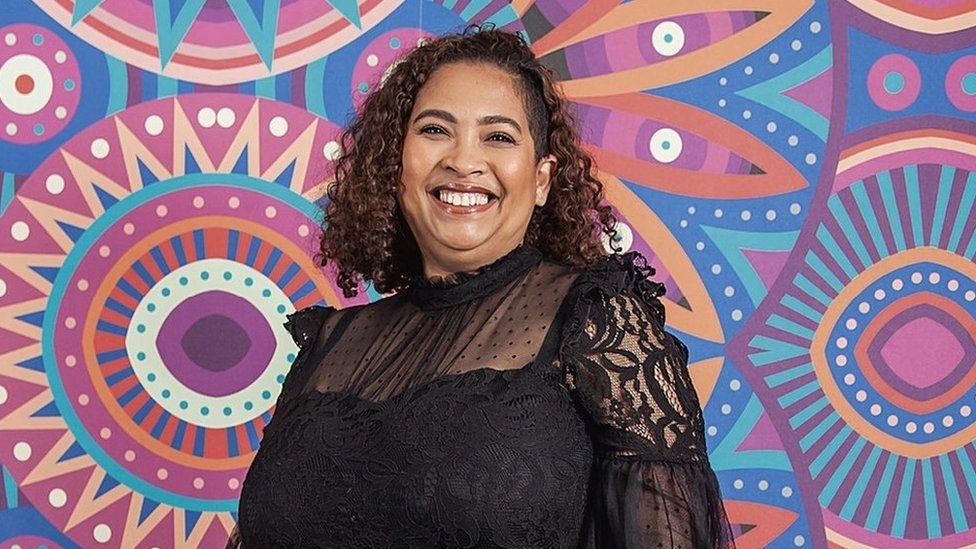
Director Charlene May says that 2025 was a year of transition for the organisation and a chance to reflect on whether the Centre’s work is really making a difference. “How do we make sure that our work has the impact needed to make real change in women’s everyday lives? This question guided us throughout 2025,” May writes.
She says the organisation’s leadership transition and the end of its five-year strategy allowed it to build stronger partnerships, improve monitoring and evaluation, and renew its commitment to real equality for women in all their diversity.
The report ends by warning that South Africa’s progressive legal framework will mean little unless laws are properly enforced, institutions are held accountable, and survivors get the protection they deserve.
Get your news on the go. Click here to follow the Conviction WhatsApp channel.
