


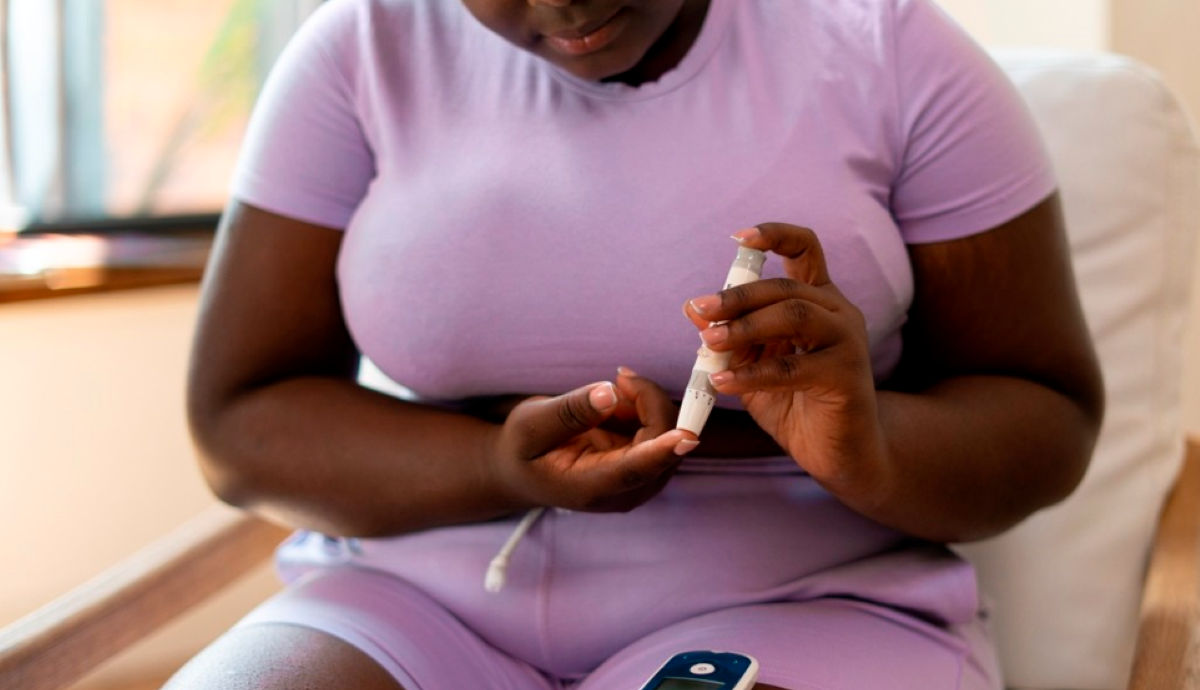
- Diabetes is the leading underlying cause of death among South African women and is quietly undermining their ability to work, lead, and support their families.
- Poverty, food insecurity, obesity, and inadequate detection of conditions such as gestational diabetes are driving the crisis beyond individual lifestyle choices.
- Lasting progress requires coordinated action across government to strengthen prevention, primary healthcare, and healthier food environments, not medical innovation alone.
Women’s Month invites South Africa to celebrate women’s leadership, resilience, and contribution to our society. This year’s national theme, “Empowered Women Empower The Nation,” asks us to confront the structural barriers that continue to limit women’s economic and social participation. However, one of the most devastating barriers receives far too little attention: poor health.
A resilient economy depends on women being able to learn, work, lead, care for their families, and participate fully in society. Yet diabetes is quietly undermining that capacity. According to Statistics South Africa’s mortality report for 2023 (released in 2026), diabetes accounted for 7.5% of deaths among women, making it the leading underlying cause of death among South African women, as well as the leading cause of death nationally.
An invisible barrier to economic participation
Behind these statistics are real women whose lives are interrupted or cut short by a condition that is largely preventable, detectable, and treatable. During our work with the Tshwane Insulin Project, led by the University of Pretoria Diabetes Research Centre, we met an informal trader in the district who relied on buying second-hand clothes at the market to resell in her community. Uncontrolled blood glucose levels had left her so severely fatigued that she was forced to stop working entirely, wiping out her household income. Once our community field workers and clinic staff helped safely initiate her on insulin, her energy returned. Within months, she was back at the market, supporting her family.
Her story is far from unique. Long before diabetes claims a life, it strips away physical capacity, daily earnings, and independence. The resulting strain, from multiple clinic visits and lost work to rising healthcare costs, ripples across the entire household. Income drops, children take on adult duties, and family members absorb the heavy burden of unpaid caregiving.
Diabetes, therefore, threatens not only women’s health, but household stability, labour productivity, and economic resilience.
Health choices are driven by social realities
Women are frequently told to eat better, exercise more, and manage their weight. While clinically sound, such advice often ignores the realities of daily life in South Africa. According to a recent United Nations (UN) report, 66.6% of people in Africa could not afford a healthy diet in 2025. [According to that same UN report], the continent was also home to approximately 309 million people experiencing hunger.
Against this backdrop, telling women simply to eat healthy food is out of touch. For many, the problem is not a lack of nutritional awareness but a lack of access and affordability.
Poverty, unemployment, unsafe neighbourhoods, chronic stress, and substantial caregiving responsibilities dictate health outcomes far more than willpower ever could. In addition, South Africa's high rates of overweight and obesity among women, conditions that increase the risk of type 2 diabetes and several other chronic conditions, reflect a complex interplay of biology, income, mental health, urban design, and commercial food systems that flood low-income communities with cheap, ultra-processed foods.
We cannot keep placing the burden of prevention on individual women while leaving the environment that drives disease unchanged.
Gestational diabetes – an opportunity for diagnosis
Gestational diabetes adds another critical dimension to this issue. First diagnosed during pregnancy, its consequences echo long after childbirth. Women who experience gestational diabetes face a significantly higher risk of developing type 2 diabetes later in life, while their children carry an elevated lifetime risk of obesity and metabolic disease.
Pregnancy offers a vital window to identify risk, provide appropriate care, and break the cycle of chronic disease across generations. Yet that opportunity is often squandered when gestational diabetes goes undetected, unmanaged, or unmonitored after delivery. Routine screening during antenatal care must be paired with structured postpartum follow-up integrated into primary healthcare.
Medical innovation alone will not solve the crisis
New pharmaceutical advances such as GLP-1 receptor agonists – Ozempic being one of the most commonly known – have generated widespread interest for their clinical effectiveness in treating type 2 diabetes and obesity. While these medicines mark a major milestone in clinical care, they are not a silver bullet for South Africa's public health crisis. They remain prohibitively expensive, require sustained clinical oversight, and cannot fix poverty, food insecurity, or fragile health systems. Therapeutic breakthroughs for the few must never be confused with a population-wide public health strategy for the many.
South Africa needs a broader societal response that makes healthy living accessible rather than simply instructing individuals to make healthier choices. The Johannesburg Declaration for Accelerated Action on Diabetes in South Africa, published following the 2025 Diabetes Summit, provides a clear roadmap. It calls for diabetes to be recognised as a national public health crisis, supported by co-ordinated cross-sectoral action.
Among its recommendations are strengthening early detection and primary care management, securing sustainable public financing and costed provincial action plans, and meaningful involvement of people living with diabetes. It also calls for creating healthier food environments through clear front-of-pack labelling, product reformulation, and marketing restrictions on unhealthy foods aimed at children.
These are not tasks for the Department of Health alone. Diabetes is shaped by decisions made in agriculture, education, trade, urban planning, social development, and finance.
Investing in women's health is investing in the economy
Women deserve access to quality healthcare as a matter of basic human dignity and constitutional right, independent of their economic output. But the economic cost of inaction can no longer be ignored. A nation cannot build a resilient economy or empower women while remaining passive in the face of a condition that claims more women’s lives than any other.
True empowerment is impossible without physical well-being. Economic resilience is not built solely through capital investment, job creation, and leadership quotas. It is built by ensuring that women are healthy enough to work, lead, and thrive.
This Women’s Month, South Africa should recognise diabetes for what it has become: a threat to gender equality, household resilience, and inclusive development. Protecting women from diabetes starts by building an environment in which staying healthy is genuinely possible.
Get your news on the go. Click here to follow the Conviction WhatsApp channel.
The opinions expressed in this article are solely those of the author and do not necessarily reflect the views of the University of Pretoria or Conviction.co.za
