


- Artists deserve dignity and opportunity, but not a higher status of citizenship than any other worker.
- Government’s duty is to create an enabling environment and strengthen universal social protection, not become artists’ personal caretaker.
- The lasting solution lies in accountable unions, retirement structures and self-organisation, not posthumous tributes or perpetual blame.
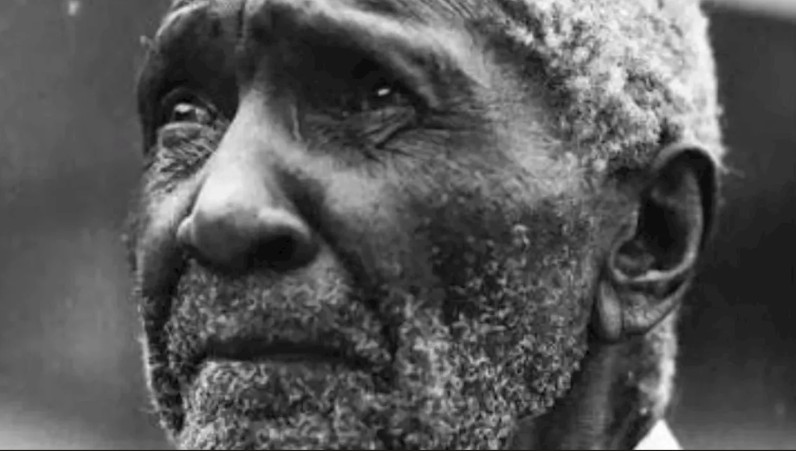
The death of any 96-year-old is sad. The death of a 96-year-old artist who lived in a shack is even sadder. But sadness is not analysis, and grief is not policy.
We cannot be angry at Gayton McKenzie or the Department of Sport, Arts and Culture. Condemning them after the death of Bra Sol Rachilo cannot be celebrated as courageous. It is not. It is a familiar, tired, entitled script that the South African artistic community has been reciting for 30 years, and it is time we challenged it.
The script goes like this: Artists are special. Artists are the soul of the nation. Government does not care. Government only writes tributes after we die. Therefore, the government must do more.
This script is delusional. It smacks of a holier-than-thou attitude that has no place in a democratic society that is struggling to keep its hospitals open and its children fed. Let us be blunt: artists are just ordinary citizens too. And they need courage to accept that as a fact. Society appreciates artists, but they are not more special.
Much as society appreciates their significance and contribution, artists are not more special than the nurse in Baragwanath. The construction worker on a scaffold in Sandton. The teacher in a mud school in Limpopo. The domestic worker who wakes up at 4 am to clean houses. Or the taxi driver who keeps this country moving.
Why should a 96-year-old actor be treated by the State as more deserving of State intervention than a 96-year-old gogo who was a farmworker all her life? What makes his life as a “living archive” more valuable than her life as a living archive of agricultural knowledge?
The answer is nothing. Nothing makes it more valuable. The artist is an ordinary citizen with an extraordinary talent, just as the heart surgeon is an ordinary citizen with an extraordinary talent. We appreciate both. We do not worship both.
When artists start to claim that they are the “soul, memory, identity and economic engine of a nation” and “the cradle of moral regeneration,” they move from self-respect to self-deification. This grows their egos into megalomania.
A bricklayer also builds the memory and identity of a nation, brick by brick. A nurse is also moral regeneration when she saves a life without gloves.
This artist’s holier-than-thou attitude is delusional. It creates a false hierarchy of citizenship where the man who can recite Shakespeare is deemed more worthy of government care than the man who built the stage he recites it on.
The Constitution does not say “all citizens are equal, but artists are more equal.” We are all ordinary citizens. For example, Bra Sol Rachilo epitomised the courage to be ordinary, if you like.
The government is not your parent
Of course, the government’s responsibility to artists cannot begin at the funeral. Yet artists are the first to rush with a begging bowl to the government when one dies. We must ask: What is government’s responsibility to artists in the first place? Who gets a state funeral and who does not?
The government has a responsibility to create an enabling environment: opportunities for employment, copyright protection, arts education in schools, tax incentives, public broadcasting that supports local content, and a social security net for all vulnerable citizens.
The government does not have a responsibility to be your personal manager, your financial advisor, your landlord, your medical aid, your retirement fund, and your publicist. We are all aware of and know about issues affecting artists, including Rachilo. It is not that the government is ignorant or has not responded to these challenges. But there is a sense of entitlement.
A 96-year-old vulnerable elder needing an old age home is a social development issue, not an arts and culture issue. We have no business accusing or blaming the Department of Sport, Arts and Culture. Why not the Department of Social Development in the first place, like any other ordinary citizen would?
Sadly, artists have created a mentality where they believe there must be a special queue for them. A special old age home for artists. A special hospital for artists. A special grant for artists. This is apartheid thinking in reverse: special treatment for special citizens.
Blaming government is not a solution. It is an evasion of personal responsibility. We are all responsible for what happens or does not happen to us. Every sector has vulnerable elders. Former teachers die poor. Former mineworkers die with silicosis in the Eastern Cape with no tribute at all.
Former farmworkers die without a tombstone. We do not see their unions writing essays claiming they are the soul of the nation. They understand they are ordinary citizens who need the same social security system as everyone else.
Organise, don’t lament
If artists feel vulnerable, the solution is to organise themselves into a power bloc. And this is what former president Jacob Zuma mandated Nathi Mthethwa to do: help found and launch an artists’ umbrella body. Unfortunately, the history of that organisation is dismal.
Where are the artists’ unions? Where are their retirement funds? Where are their cooperatives? Where are their burial societies, like ordinary workers have?
South African artists have been given money. A lot of money. The Department of Sport, Arts and Culture, the National Arts Council, the National Lottery, and the Presidency’s funds have poured hundreds of millions into the creative sector over the years.
What happened to it? The artists themselves know. Time and again, we have seen artists appointed to distribute money to fellow artists embezzle funds donated by the government. Artists’ representatives are the first to eat the money.
The National Arts Council scandal, where millions meant for COVID-19 relief for artists disappeared, is not a white conspiracy. It is black artists stealing from black artists. The countless stories of theatre managers, music association leaders, orchestra directors, theatre CEOs and festival organisers who collect money on behalf of artists and buy cars with it. Or overpay themselves to live Hollywood lifestyles.
You cannot blame government for that. That is self-inflicted. Worse, when artists do occupy lucrative positions in government, they act like politicians. There are many artists in government positions. In fact, they act worse because they know the language of suffering.
How many former activists, actors, poets and singers have been deployed as MECs, mayors, ambassadors, board members of the SABC, NAC and NFVF? And what did they do when they got there? Did they create systems of care? No. They allowed themselves to be swallowed by the system.
They became gatekeepers. They learned not to answer emails, just like the technocrats they now condemn. It is time to awaken and admit that artists are part of the problem. Yet they can do better.
Gayton McKenzie himself, the current minister being blasted, is a former convict who became a writer and publisher. He is from the creative sector. The truth is, artists in power are not better than politicians. They become politicians. They are greedy and insensitive.
Courage to be ordinary
If we want to genuinely care for Bra Sol Rachilo and the many like him, we must stop treating artists as special and start treating them as workers. Above all, ordinary citizens.
A worker needs these three things, among others: A union that works. Not a WhatsApp group for complaining. A real union that collects membership fees, invests them, provides medical aid, provides pensions, and can fight for royalties from broadcasters. The workers’ unions do it. Why can’t actors?
The risk is that the leadership will eat the money. Financial literacy and discipline. The principles of success do not change: focus, discipline, hard work, commitment, saving. Many artists make money during their peak but save nothing, plan nothing, join no retirement fund, thinking the government will save them at 96. No government saves anyone at 96 if they did not save themselves. That is not cruelty. That is reality for every citizen.
A universal social safety net, not an artist safety net. The question should not be “How many more cultural elders must die?” but “How many more elders, period, must die in shacks?” The answer is to strengthen SASSA, strengthen public health, strengthen old age homes for all, not demand a special department for artists to become social workers. Above all, organise the fraternity.
Bra Sol Rachilo deserved dignity because he was a 96-year-old South African, not because he was a playwright. The nurse who spent 40 years giving enemas in a clinic also deserves dignity at 96, and she never wrote a poem.
What is to be done?
Of course, artists’ anger is understandable. Losing an elder hurts. But we have to change the way we look at artists’ plight. The department’s flowery tributes after death are indeed empty. But the demand that the government should have been his caretaker in life is equally empty.
Government cannot love you. Government can govern. Love must come from family, friends, fraternities, community, and from structures you build for yourself.
Artists must come down from the pedestal they have put themselves on. You are not more special than the health worker, the construction worker, the mineworker, or any ordinary worker. You are an ordinary worker whose work is art.
Once you understand that, you will stop waiting for a minister to answer your email and start building the systems of care you claim to want. You will stop embezzling the little money you get; you will stop acting like the politicians you condemn, and you will stop blaming government for everything.
Bra Sol did not need a department. He needed what every 96-year-old needs: a family, a community, a social worker, and a warm bed. That is not arts and culture. That is humanity. And humanity does not need a press statement.
Get your news on the go. Click here to follow the Conviction WhatsApp channel.
The opinions expressed in this article are solely those of the author and do not necessarily reflect the views of Conviction.co.za
