

Skip to content
Close Menu
ConvictionConviction
  • Home
  • Law & Justice
  • Special Reports
  • Opinion
  • Ask The Expert
  • Get In Touch

Subscribe to Updates

Get the latest creative news from FooBar about art, design and business.

What's Hot

The Altar of Silence: How kingmakers silence critical minds in public institutions

October 2, 2026

Sibiya case exposes the legal gap between consent and sexual grooming

October 2, 2026

Leadership fight leaves Operation Dudula scrambling to meet election deadline

October 2, 2026
Facebook X (Twitter) Instagram
Trending
  • The Altar of Silence: How kingmakers silence critical minds in public institutions
  • Sibiya case exposes the legal gap between consent and sexual grooming
  • Leadership fight leaves Operation Dudula scrambling to meet election deadline
  • LHR updates on ECD principals facing R5,000 fines for operating without permits
  • Family seeks R1.25 million for emotional shock following death at Klerksdorp Hospital
  • Dancer retrenchment exposes flawed selection process at Cape Town City Ballet
  • Can an employer withhold an adjudication award over reversal and repayment concerns?
  • Attorneys’ repeated failures leave appellant stranded in bid to overturn 15-year sentence
Facebook X (Twitter) Instagram
ConvictionConviction
Sonneblom
  • Home
  • Law & Justice
  • Special Reports
  • Opinion
  • Ask The Expert
  • Get In Touch
ConvictionConviction
Home » Sibiya sexual grooming case
Criminal Law

Sibiya case exposes the legal gap between consent and sexual grooming

Wits School of Law’s Dr Sheena Swemmer explains why a 16-year-old can consent to sexual intercourse but cannot consent to creating child sexual-abuse imagery.
Kennedy MudzuliBy Kennedy MudzuliOctober 2, 2026Updated:October 2, 2026No Comments
Facebook Twitter Pinterest LinkedIn WhatsApp Reddit Tumblr Email
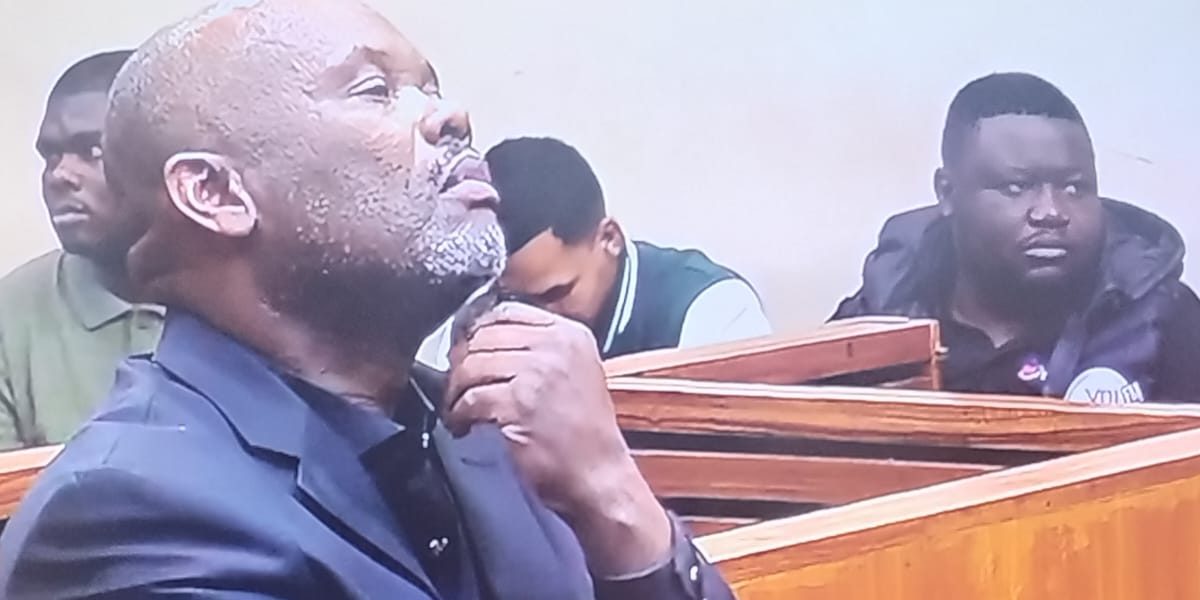
Suspended Deputy National Police Commissioner Lieutenant-General Shadrack Sibiya, who faces rape, human trafficking and sexual grooming charges.
Suspended Deputy National Police Commissioner Lieutenant-General Shadrack Sibiya faces rape, human trafficking and sexual grooming charges. Picture: Screengrab
Share
Facebook Twitter LinkedIn Pinterest Email
  • Suspended Deputy National Police Commissioner Lieutenant-General Shadrack Sibiya is facing charges of rape, trafficking, and sexual grooming.
  • According to the State, Sibiya sexually groomed a 16-year-old girl and obtained explicit material from her.
  • Dr Sheena Swemmer explains that South African law treats consent differently depending on whether the case involves rape, grooming, trafficking, or child sexual abuse imagery.

The rape, human trafficking and sexual grooming case involving suspended Deputy National Police Commissioner Lieutenant General Shadrack Sibiya has raised questions about how South African law treats consent when different sexual offences are involved.

Sibiya faces charges including rape, human trafficking and three charges relating to the alleged sexual grooming of a 16-year-old girl. He has denied the allegations against him.

Speaking to Newzroom Afrika, Dr Sheena Swemmer of the Wits School of Law explained the different legal provisions that apply to consent, grooming, trafficking and the creation of child sexual abuse imagery, including why the law applies different age thresholds to different offences.

Why the law distinguishes between 16 and 18

Swemmer said South African law has different age thresholds depending on the conduct involved. She explained that when it comes to consenting to a sexual encounter, including penetrative intercourse, the age of consent is 16.

However, the Children’s Act recognises anyone under the age of 18 as a child, and Swemmer said that distinction is carried through into the Sexual Offences Act in relation to offences such as grooming and trafficking.

“So it is a strange difference,” Swemmer said, explaining that the distinction exists because the relevant protections are rooted in the Children’s Act and are then carried through into the Sexual Offences Act.

A child cannot consent to creating sexual abuse imagery

Swemmer said consent does not operate in the same way where the alleged conduct involves the creation of child sexual abuse imagery. She said that if someone under the age of 18 sends a naked image of themselves, the creation of that material constitutes child sexual abuse imagery and consent is not a requirement.

“In relation to the creation of child abuse imagery, so any pictures that are sent by someone who’s under the age of 18 of themselves naked is creating child intimate abuse imagery,” she said. “That doesn’t require consent; there’s no requirement of consent. So consent is not considered.”

Swemmer contrasted this with rape and other sexual encounters, where consent forms part of the legal consideration. “When we look at rape, or we look at those types of sexual encounters, we include consent, and therefore that comes into play,” she said.

How grooming differs from consensual relationships

Swemmer said grooming is different from a consensual relationship because consent is not one of the foundational features of the grooming offence. She described grooming as conduct in which an adult may show a child pornography or touch the child in different ways that may initially appear consensual, while gradually breaking down the child’s barriers and resistance so that the adult can commit a sexual offence against the child.

“That’s what grooming is,” Swemmer said. She added that the child cannot simply agree to the grooming itself and make it consensual. “Grooming doesn’t require, there’s no consent. The child cannot say yes to it. That’s not consent,” she said.

Power relationships do not automatically remove consent

Swemmer was asked whether an adult’s position of authority, wealth or an existing relationship with a child’s family automatically creates an imbalance that amounts to coercion. She said the Sexual Offences Act contains provisions dealing with circumstances that can affect consent, including differential power dynamics between individuals, but that the existence of a power relationship does not automatically mean there is no consent.

“If a principal is engaging with a student, that is not an automatic consideration that there is no consent,” Swemmer said. She explained that where the person is over 16, there would still be consideration of whether the power relationship is sufficiently strong to negate consent entirely.

Consent and trafficking

Swemmer said trafficking presents another distinction because consent is not part of the definition in the same way that it is relevant to rape. She described trafficking as broad and said it can involve transporting, holding or moving someone in circumstances connected to the commission of a sexual offence.

“With trafficking, it’s incredibly broad,” she said. Swemmer explained that consent could be raised by the defence as a justification, but the prosecution does not have to prove a lack of consent in the same way that it does in a rape case. “So consent can be used as a justification for the defence, but the prosecution doesn’t have to prove a lack of consent as they do in rape cases,” she said.

The different legal thresholds

Swemmer said the different age thresholds can appear unusual because South African law deals with different offences in different ways. She said courts encounter situations involving the difference between the age of 16 and the age of 18, particularly when dealing with sexual offences and the protection of children.

“I think it’s more novel for us watching this,” she said, adding that the case provides an opportunity to understand how the law deals with vulnerability and why certain offences do not make consent a central part of the prosecution’s case.

The bail proceedings in the Sibiya matter continue, with the allegations against him yet to be determined. He remains behind bars.
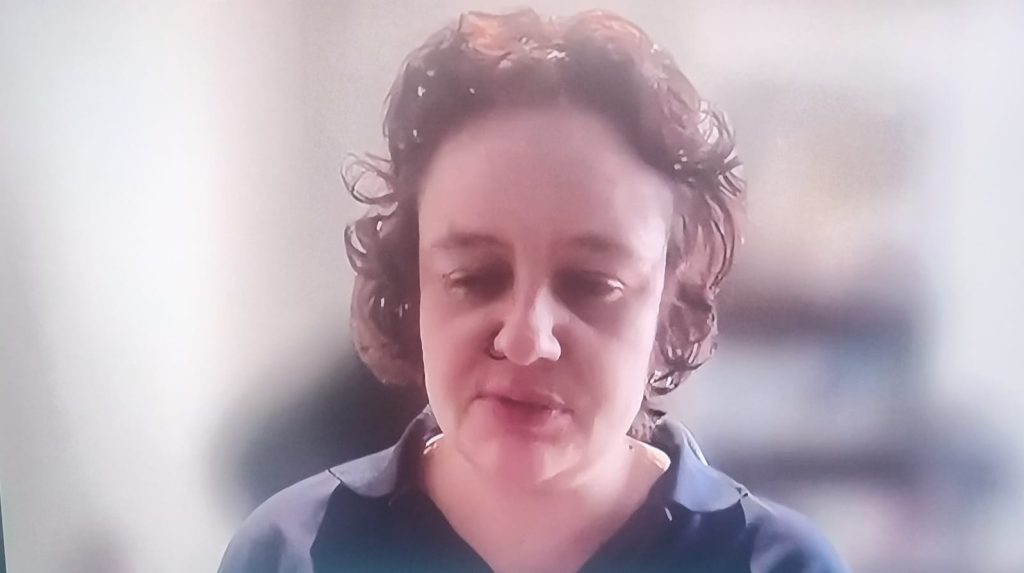
Dr Sheena Swemmer of Wits School of Law discussing consent, sexual grooming and child sexual-abuse imagery in the Sibiya case.
Dr Sheena Swemmer of Wits School of Law explains the legal distinction between consent, sexual grooming and child sexual-abuse imagery in the Sibiya case. Picture: Screengrab

Conviction.co.za

Get your news on the go. Click here to follow the Conviction WhatsApp channel.

child protection Consent Rape Sexual grooming Shadrack Sibiya
Share. Facebook Twitter Pinterest LinkedIn Tumblr Telegram Email
Kennedy Mudzuli

Multiple award-winner with passion for news and training young journalists. Founder and editor of Conviction.co.za

Related Posts

Attorneys’ repeated failures leave appellant stranded in bid to overturn 15-year sentence

October 1, 2026

Restaurant owner’s forceful push of 65-year-old patron cannot be dismissed as trivial, judge rules

October 1, 2026

Magistrate convicted man in a drunk-driving case without ever asking for his plea

September 29, 2026
Leave A Reply Cancel Reply

Prove your humanity: 4   +   2   =  

Subscribe to our newsletter:
Top Posts

Your driving licence at the gate: What estates can actually legally scan

Sponsor: My Estate LifeSeptember 6, 2026

Making sectional title rules that work: A practical guide

January 17, 2025

Protection order among the consequences of trespassing in an ‘Exclusive Use Area’

December 31, 2024

Between a rock and a foul-smelling place

November 27, 2024
Don't Miss
Opinion
6 Mins Read

The Altar of Silence: How kingmakers silence critical minds in public institutions

By Professor Jacob Tseko MofokengOctober 2, 20266 Mins Read

The Masemola saga highlights a deeper problem in South Africa: public servants can face career consequences when they challenge political power.

Sibiya case exposes the legal gap between consent and sexual grooming

October 2, 2026

Leadership fight leaves Operation Dudula scrambling to meet election deadline

October 2, 2026

LHR updates on ECD principals facing R5,000 fines for operating without permits

October 2, 2026
Stay In Touch
  • Facebook
  • Twitter
  • WhatsApp
Demo
About Us
About Us

Helping South Africans to navigate the legal landscape; providing accessible legal information; and giving a voice to those seeking justice.

Facebook X (Twitter) YouTube WhatsApp Twitch RSS
Latest posts

Your driving licence at the gate: What estates can actually legally scan

Sponsor: My Estate LifeSeptember 6, 2026

Making sectional title rules that work: A practical guide

January 17, 2025

Protection order among the consequences of trespassing in an ‘Exclusive Use Area’

December 31, 2024
OUR PICKS

Bishop Mosa Sono urges communities to unite after 17 killed in Wedela massacre

September 27, 2026

Rhodes students halt classes, reject 50 percent debt payment demand and R3,000 monthly fees

September 29, 2026

Debt counsellor trapped 216 consumers in debt review process without their consent

September 26, 2026
© 2026 Conviction.
  • Home
  • Buy Now
  • Law & Justice

Type above and press Enter to search. Press Esc to cancel.

Powered by
Necessary cookies enable essential site features like secure log-ins and consent preference adjustments. They do not store personal data.
None
Functional cookies support features like content sharing on social media, collecting feedback, and enabling third-party tools.
None
Analytical cookies track visitor interactions, providing insights on metrics like visitor count, bounce rate, and traffic sources.
None
Advertisement cookies deliver personalized ads based on your previous visits and analyze the effectiveness of ad campaigns.
None
Unclassified cookies are cookies that we are in the process of classifying, together with the providers of individual cookies.
None
Powered by