


- Mzilikazi emphasised that concerns about student debt and financial difficulties should be treated seriously and with respect.
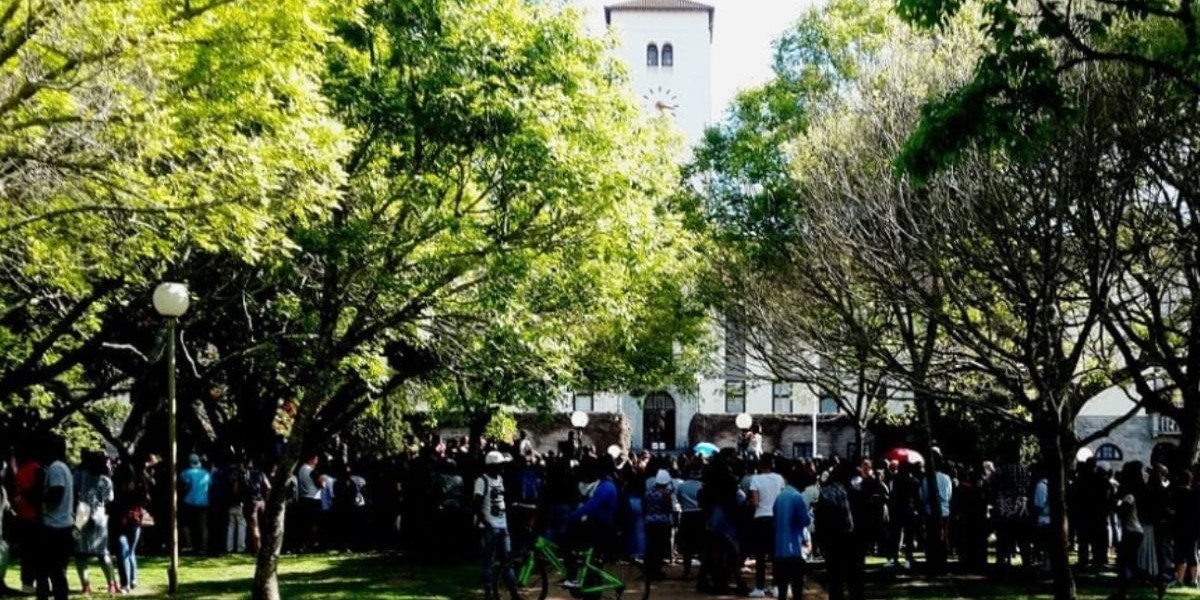
- Students protested the university’s proposed 2027 Protocol on the Payment of Student Fees.
- Gwanya did not comment directly on the arrests. The SRC encouraged students to comply with an interim interdict, while SASCO and Not in My Name International called for accountability.
Rhodes University Deputy Vice Chancellor Khwezi Mzilikazi acknowledged the concerns behind the student protest during the university’s graduation ceremony on Friday, 2 October 2026.
She said the university recognised the concerns that had prompted the protest, particularly student debt and the financial challenges faced by many students. “These concerns are important. They deserve to be heard with seriousness and respect,” Mzilikazi said.
She said that while Friday was a day to celebrate the achievements of graduates, the university recognised that financial constraints remained the biggest barrier to access to higher education.
Mzilikazi said financial hardship often placed an additional burden on students throughout their undergraduate and postgraduate studies.
Students protest over fee protocol
The protest centred on the university’s proposed 2027 Protocol on the Payment of Student Fees. The 2027 Protocol on the Payment of Student Fees requires self-funded students with outstanding fees to pay at least 50% of their debt before they can register. Students who enter into payment arrangements must also pay at least R3,000 a month towards the remaining debt.
The protocol further provides that students with outstanding debt of more than R25,000 will not be allowed to stay in university residence unless they have confirmed National Student Financial Aid Scheme (NSFAS) funding.
Students rejected the protocol and raised concerns about the financial demands facing those seeking to register for the 2027 academic year. The protest followed two days of student action that included blocking university entrances.
Rhodes University subsequently approached the High Court in Makhanda for an interim interdict preventing students from continuing with the protest action. Students nevertheless gathered at the 1820 Settlers National Monument during the graduation ceremony on Friday, 2 October 2026.
SRC reminds students of interdict
Meanwhile, the Rhodes University Student Representative Council (SRC) urged students to conduct themselves orderly and create a platform for meaningful engagement. The SRC reminded students that the interim interdict remained active until 27 October 2026.
“Any violation of the provisions contained in the interdict may result in the involvement of SAPS and could significantly escalate tensions on campus,” the SRC said.
Spokesperson refers arrest questions to SAPS
While Mzilikazi addressed the financial concerns raised by students, Rhodes University spokesperson Olwetu Gwanya declined to comment directly on the arrests. Gwanya, quoted by Inside Education, referred questions about the police operation to the South African Police Service (SAPS).
She said the university remained committed to continuing discussions with student representatives. Friday’s graduation ceremony proceeded despite the protest and arrests.
13 students were arrested
The South African Student Congress (SASCO) slammed the arrest of 13 students during the protest, eight of them women. Their case was dismissed on Monday, 5 October 2026.
In a statement, SASCO said the students had gathered at the 1820 Settlers National Monument over concerns about the financial demands facing students seeking to register for the 2027 academic year.
SASCO alleged that some of those arrested had surrendered and were lying on the ground when they were detained. The organisation also said several other students sustained injuries when rubber bullets were fired during the protest.
SASCO said it remained committed to supporting students and advocating for their rights.
Not in My Name condemns police response
Not in My Name International condemned what it described as police brutality during the protest. The organisation alleged that young people, mostly aged between 19 and 23 and the majority female, were subjected to intimidation, shooting, physical dragging and arbitrary arrests. It also alleged that police targeted bystanders and people who were not participating in the protest.
Not in My Name called for an independent investigation into the police operation and demanded answers from SAPS leadership, the provincial commissioner and the Ministry of Police about who authorised the response.
The organisation welcomed the dismissal of the case against the 13 students.
Get your news on the go. Click here to follow the Conviction WhatsApp channel.
