


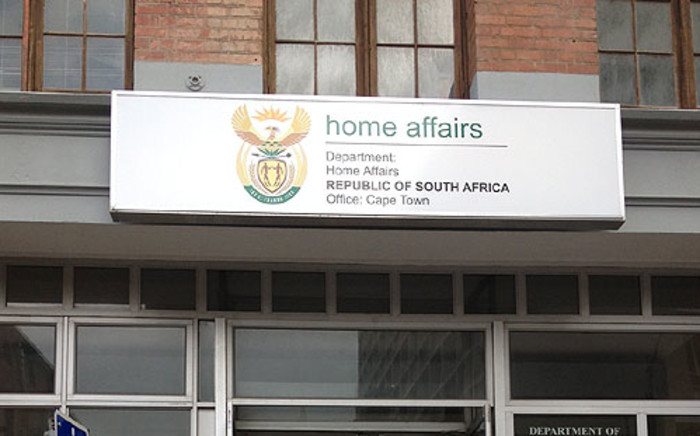
- Home Affairs has withdrawn its 28 September directive that required refugee reception offices to accept asylum applications, following a Constitutional Court judgment.
- The decision was made after protests in Soweto and Durban escalated, leading to arson, looting, and clashes between South African residents and foreign nationals.
- Acting National Police Commissioner Lieutenant-General Puleng Dimpane has pledged to pursue those responsible, while the government prepares a new approach to implementing the judgment.
The Department of Home Affairs has withdrawn its directive on accepting asylum applications just a day after anti-immigration protests in Soweto and Durban turned violent. Vehicles were set alight, businesses were damaged, and police scrambled to restore order.
In a statement issued on Friday, 9 October 2026, the department said it withdrew the directive because it overwhelmed refugee reception offices, put officials at risk, and posed serious threats to public safety and order.
Home Affairs reconsiders asylum directive
Director-General Livhuwani Tommy Makhode issued the directive on 28 September 2026 to help refugee reception offices implement the Constitutional Court’s 7 July judgment in the Scalabrini Centre of Cape Town case.
The directive told refugee reception offices to receive asylum applications as required by the judgment, which removed procedural barriers that had stopped some asylum seekers from accessing the refugee determination process due to how they entered South Africa or other technical requirements.
Home Affairs said the Director-General’s office made the directive as an operational decision, without the involvement or knowledge of the Minister of Home Affairs or any other political leader. The department rejected claims that the decision was politically motivated, pointing out that it had opposed the case that led to the Constitutional Court judgment.
However, the department admitted that putting the ruling into effect immediately had serious consequences that were not foreseen in the court order. Within days, refugee reception offices were overwhelmed, officials faced safety risks, and public order was threatened.
The department said it would start a new process to find a practical and sustainable way to comply with the judgment. It also reaffirmed its respect for the judiciary and the rule of law.
However, withdrawing the directive does not overturn the Constitutional Court’s judgment. The department said it still needs to determine how to implement the ruling in line with the court’s order.
Protests erupt in Soweto and Durban
This announcement comes after violent protests on Thursday, 8 October, as anger grew over the processing of asylum applications and concerns about undocumented migration.
In Orlando West, Soweto, protests escalated into clashes between residents and foreign nationals. At least 10 vehicles were set alight, and foreign-owned shops were targeted and looted. In Durban, 14 vehicles were reportedly torched, and businesses were damaged during unrest in the central business district.
Before the unrest, there were demonstrations outside Home Affairs facilities, including the Refugee Reception Centre on Che Guevara Road in Durban, where protesters called for a halt to the processing of asylum applications.
Police turned away hundreds of foreign nationals who had gathered outside the Durban facility due to security concerns. The protests disrupted operations at the centre and raised concerns about the safety of asylum seekers, staff and the public.
These demonstrations followed rumours that the Constitutional Court’s judgment had effectively legalised unlawful migration or granted undocumented foreign nationals automatic refugee status.
Government officials rejected that interpretation. The judgment is about access to the asylum determination process; it does not automatically grant refugee status, permanent residence, or an unconditional right to remain in South Africa.
Acting police commissioner warns against vigilantism
Acting National Police Commissioner Lieutenant-General Puleng Dimpane warned that those responsible for burning vehicles, damaging property, and committing other acts of violence would be pursued.
Dimpane said police would identify and investigate those involved, and make arrests where there was enough evidence. She confirmed that 10 vehicles had been burnt in Soweto and 14 in Durban.
She said that while people may have real concerns about asylum seekers and the court judgment, this does not justify violence, intimidation, or the destruction of property. The right to protest, she added, does not mean anyone can commit a crime.
Police increased public order deployments in affected areas, while crime intelligence officials were told to identify those responsible for the violence. Dimpane said provincial commissioners had also met to assess the situation and make sure deployments responded to new threats.
Three foreign nationals were arrested in KwaZulu-Natal in connection with the violence, while police are still pursuing those responsible for burning vehicles in Gauteng.
The acting commissioner warned communities not to take the law into their own hands, stressing that police would enforce the law equally, no matter whether suspects were South African citizens or foreign nationals.
Government seeks a sustainable approach
The withdrawal comes after the Inter-Ministerial Committee on Migration held an urgent meeting and briefed the media to address confusion about the judgment and growing pressure on refugee reception offices.
The government said the ruling should not be seen as legalising irregular migration or granting automatic refugee status. The challenge now is to manage the increased demand for asylum applications while protecting public safety and ensuring applications are processed according to the law.
Home Affairs has committed to developing a new way to comply with the Constitutional Court’s order, though the department has not yet shared details of what this approach will look like.
Get your news on the go. Click here to follow the Conviction WhatsApp channel.
