


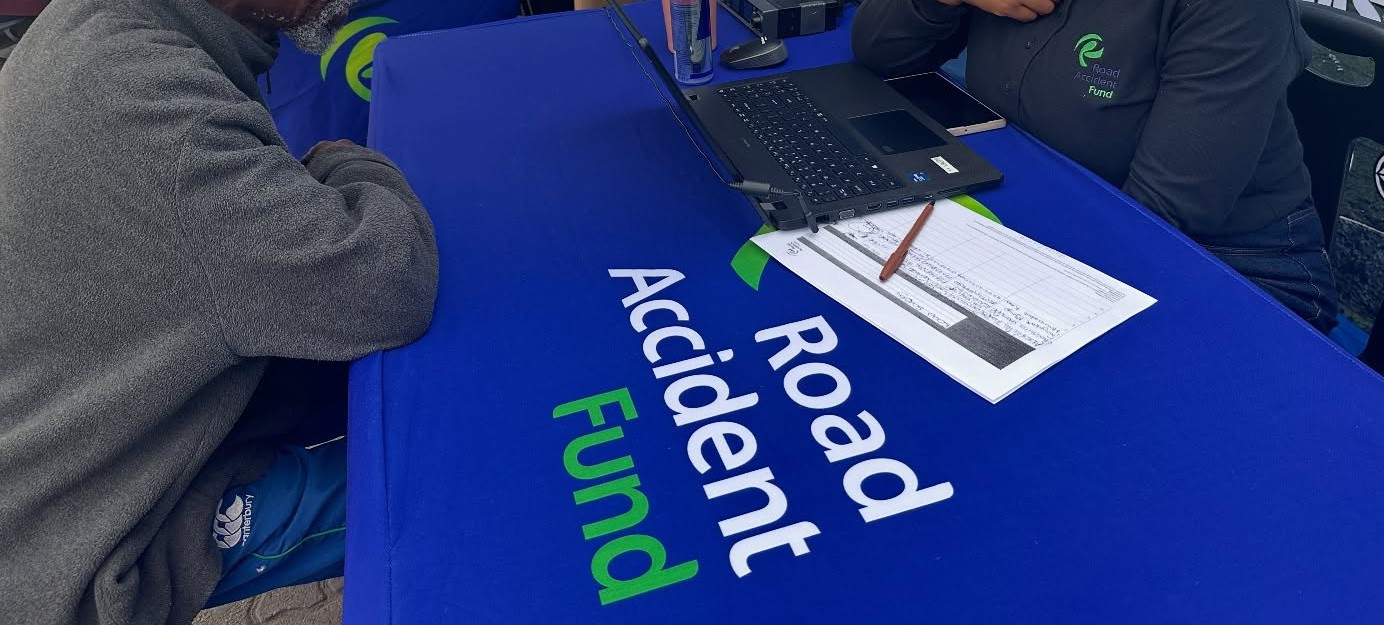
- The RAF is appealing a ruling that found part of Section 17(6) of the RAF Act unconstitutional.
- The High Court found that making claimants pay medical expenses before they can get interim payments puts poor accident victims at a disadvantage.
- Chengeto wants the court to confirm the declaration and make sure claimants who cannot afford medical expenses or who have lost income and support are protected in the meantime.
The Road Accident Fund (RAF) is asking the Constitutional Court to overturn a ruling that lets accident victims without money get interim payments for medical expenses they cannot pay for upfront.
This dispute is about Section 17(6) of the Road Accident Fund Act 56 of 1996, which deals with interim payments for medical expenses, loss of income and loss of support before claims are finalised. The Constitutional Court will hear two related cases on Thursday 19 November 2026.
These are Nyambirai Chengeto v Road Accident Fund and Another (CCT 148/26) and Road Accident Fund v Nyambirai Chengeto and Another (CCT 176/26). The first case is about confirming the declaration of invalidity made by the Limpopo Division of the High Court in Polokwane. The second is the RAF’s appeal against that judgment.
The dispute over interim payments
Chengeto brought her constitutional challenge after she was injured in a car accident on 24 December 2019. She argued that Section 17(6) makes it harder for poor claimants because it requires medical expenses to already be paid before an interim payment is made.
She explained that people with money or access to credit can get medical treatment, pay the expenses and then qualify for interim payments. But those without money might not be able to get the treatment at all. Chengeto used to work as an informal trader and said her injuries kept her from working. She claimed for past and future loss of income and for medical expenses.
RAF records show that Polokwane Provincial Hospital sent a medical bill of R39,909 straight to the RAF, which paid it in March 2021. The RAF then offered Chengeto R727,725.50 for loss of earnings, which she accepted in May 2022. It also promised to cover future medical expenses. But Chengeto said these arrangements did not fix the bigger constitutional problem for claimants who cannot afford medical treatment upfront.
On 19 January 2026, Acting Judge GJ Diamond of the High Court in Polokwane ruled that the proviso to Section 17(6) was unconstitutional and invalid because it only allows interim payments for costs already incurred. The court found this rule unfairly discriminates against poor claimants who cannot afford those costs.
The court suspended the declaration of invalidity for 24 months to give Parliament time to change the law. During this time, it ordered that Section 17(6) should allow interim payments for poor claimants who cannot afford necessary medical expenses or losses without help.
Why the RAF wants the ruling overturned
RAF says the High Court looked at Section 17(6) on its own instead of looking at the whole system for compensation and medical expenses. RAF says Section 17(4)(a) lets it promise to cover future medical treatment, and Section 17(5) lets medical providers claim payment directly from the RAF.
The RAF says these options can help people who cannot pay for treatment upfront. It also argues that making sure expenses have already been incurred helps to prevent fraud and protect public money. Another key argument is about the word ‘incurred.’ RAF says you do not have to have already paid an expense for it to count as incurred. Just owing the money to a medical provider may be enough.
The fund also disagrees with the High Court’s finding of indirect discrimination, saying that being poor alone does not make the law unconstitutional. RAF also questions the court’s focus on public healthcare limits and its financial problems, saying there was not enough evidence for these findings.
RAF says the High Court went too far by changing the law and stepped into Parliament’s role. The RAF wants the Constitutional Court to uphold its appeal, not confirm the invalidity declaration, and overturn the High Court order by dismissing Chengeto’s case.
Chengeto opposes the appeal
In her submissions, Chengeto says the RAF’s other payment options do not fix the specific problem caused by Section 17(6). She says that a promise to cover future medical expenses and direct payments to hospitals are not the same as interim payments, which help people with urgent needs before their claims are finished.
She also says the financial burden is especially hard for people whose injuries keep them from earning an income. Making them pay expenses or lose income before getting help could make things worse, even though the system is meant to help them.
Her challenge covers more than medical expenses. It includes loss of income and support. She says having to suffer these losses before getting help also hurts people who cannot support themselves while waiting for their claims to be finalised.
Chengeto agrees that the RAF needs to protect public money, prevent fraud and check claims. But she says these goals can be achieved with less strict rules, like proof of need, liability and financial situation. She wants the Constitutional Court to confirm the invalidity declaration and keep the 24 months for Parliament to change the law.
She also wants interim protection for poor claimants who can show they are entitled, have a medical need and cannot afford necessary expenses or lost income and support during that time.
RAF seeks condonation for late appeal
The RAF has also asked the court to excuse its late filing of the appeal. The High Court gave its judgment on 19 January 2026, so the RAF’s notice was due by 9 February 2026, but it was filed about four months late. The Fund says the delay happened because of internal consultations and approval processes, the need to review the judgment and chances of success, and day-to-day operational pressures.
The RAF says the matter needed input from its legal team and officials before getting the board’s approval. RAF says the board was told on 7 May 2026 to go ahead with the appeal. Once it got approval, attorneys and counsel prepared the notice of appeal and the request for condonation.
RAF argues that the delay was not on purpose or due to negligence and that the appeal raises important constitutional questions that go beyond just the parties involved. RAF is asking the Constitutional Court to excuse the late filing, allow the appeal, and set aside the High Court’s order.
What is at stake?
The Constitutional Court must decide if the restriction in Section 17(6) is unfair to poor accident victims and if the High Court’s declaration of invalidity should be confirmed. The court must also decide what interim protection to give to poor claimants while Parliament is given a chance to change the law.
The decision will affect accident victims who depend on RAF compensation but cannot afford medical treatment or the financial impact of their injuries while waiting for their claims to be finalised.
Get your news on the go. Click here to follow the Conviction WhatsApp channel.
