


- Sonke Gender Justice has backed the DG Murray Trust’s challenge to the Northern Cape Gambling and Liquor Act 6 of 2024, arguing that alcohol-related harm disproportionately affects vulnerable communities.
- The organisation wants the Constitutional Court to recognise the government’s constitutional duty to protect people from alcohol-related harm.
- The case raises questions about meaningful public participation, the protection of constitutional rights and the regulation of alcohol sales across South Africa.
Sonke Gender Justice has thrown its support behind the DG Murray Trust’s (DGMT) challenge to extended liquor trading hours in the Northern Cape, arguing that alcohol regulation is an important part of efforts to prevent gender-based violence and protect women and children.
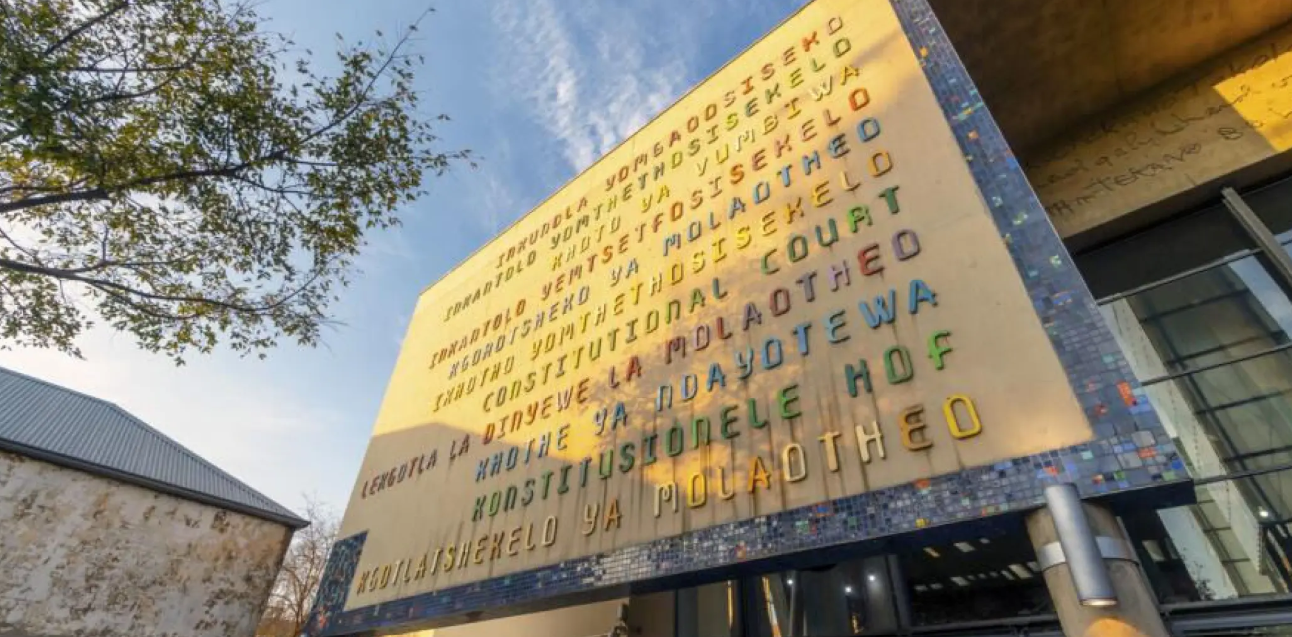
The organisation’s support follows the Constitutional Court hearing on Tuesday, 10 November 2026, in which DGMT challenged provisions of the Northern Cape Gambling and Liquor Act 6 of 2024.
The case seeks to establish whether the state has a constitutional obligation to take reasonable and effective measures to protect people from alcohol-related harm, including violence and injuries caused by other people’s drinking.
Liquor legislation and public participation
The Northern Cape Gambling and Liquor Act 6 of 2024 introduced extended trading hours for liquor outlets across the province. Under the legislation, bars, taverns and restaurants may sell alcohol until 2am every day. Nightclubs may trade until 6am from Monday to Saturday and until midnight on Sundays, while bottle stores and other off-consumption outlets may sell liquor on Sundays.
DGMT argues that these changes were introduced without meaningful public participation. The first Bill, published for public comment in 2023, proposed midnight closing for on-consumption outlets, including nightclubs, and excluded Sunday sales by off-consumption outlets. However, the final legislation materially departed from those proposals.
DGMT says the revised Bill was not published for general public comment. It also challenges the decision to arrange a public hearing on six working days’ notice, using a virtual format that excluded many people without internet access.
Sonke says communities most affected by alcohol-related harm, particularly women, young people and rural residents, were effectively excluded from the process. The organisation also highlighted communities affected by foetal alcohol spectrum disorder (FASD), domestic violence associated with late-night drinking and the proximity of taverns to schools and religious institutions.
High Court declared legislation unconstitutional
On 17 April 2026, the High Court in the Northern Cape declared the entire Act unconstitutional because the Northern Cape Provincial Legislature had failed to facilitate meaningful public involvement.
The court also found that the provision dealing with sorghum or traditional African beer was legally defective. It further found that the general on-consumption trading hours were irrational in light of the legislature’s stated intention to align provincial legislation with national norms and standards.
However, the High Court rejected DGMT’s separate argument that the extended trading hours violated constitutional rights by exposing communities to alcohol-related harm. The declarations of invalidity require confirmation by the Constitutional Court before they take effect.
DGMT is asking the Constitutional Court to confirm the invalidity of the challenged provisions rather than the entire Act.
Alcohol regulation and gender-based violence
Sonke Gender Justice, which works with men and boys to end gender-based violence and femicide (GBVF), argues that harmful alcohol use is closely linked to domestic violence, sexual violence, child abuse, road deaths and poverty.
“Alcohol is not a private lifestyle choice. It is one of the key drivers of GBVF, child abuse, road deaths, and poverty in South Africa,” the organisation said.
Sonke maintains that decisions about liquor trading hours have direct consequences for the safety and wellbeing of women, children and communities. It supports DGMT’s argument that the state has a constitutional obligation to protect people from alcohol-related harm.
This responsibility flows from constitutional protections relating to dignity, freedom and security of the person, access to healthcare and children’s protection from abuse and neglect.
DGMT’s case relies on expert evidence from Professor Charles Parry of the South African Medical Research Council and economist Samantha Filby of the University of Cape Town. Their research links increased alcohol availability, particularly late at night, to higher risks of heavy drinking, violence, injuries and pressure on healthcare services.
A national modelling study estimated that approximately 62 300 deaths in South Africa in 2015 were attributable to alcohol, equivalent to roughly one in 10 deaths that year.
Research conducted by Filby and colleagues for DGMT also estimated that introducing midnight closing for on-consumption liquor retailers in the Western Cape could prevent between 163 800 and 453 000 cases of at least six alcohol-related health conditions over 20 years. The research projected hospital cost savings of between R326 million and R890 million in the Western Cape over the same period.
DGMT chief executive David Harrison said the case was about preventing alcohol-related violence, injuries and lifelong harm to children, particularly in communities already carrying the heaviest burden.
“Communities deserve liquor laws that are evidence-informed and responsive to the realities of alcohol harm. It cannot be acceptable to make an already serious public health problem worse,” Harrison said.
What DGMT wants the Constitutional Court to decide
DGMT is asking the Constitutional Court to address the failure to facilitate meaningful public participation, the irrationality and legal defects in certain provisions, and the state’s constitutional responsibility to protect people from alcohol-related harm.
The organisation wants the court to recognise that government must take reasonable and effective steps to protect constitutional rights, including the rights to dignity, freedom from violence, health and children’s protection from maltreatment, neglect, abuse and degradation.
It proposes giving the Northern Cape Provincial Legislature 24 months to correct the defects in the legislation. During this period, DGMT wants midnight closing to apply to all on-consumption liquor sales, including nightclubs, while Sunday sales by off-consumption outlets should not be permitted. It also wants the defective sorghum beer provision corrected.
If the legislature fails to remedy the defects within 24 months, the proposed trading restrictions would remain in force until the legislation is amended or replaced.
The first four respondents support limited confirmation of invalidity and the proposed remedy. They have, however, argued that DGMT’s separate constitutional rights appeal may have no practical effect if the other relief is granted, leaving that issue for the Constitutional Court to determine.
Sonke calls for stronger protection
Sonke Gender Justice has urged the Constitutional Court to confirm the High Court’s finding that meaningful public participation did not take place, recognise the government’s constitutional duty to prevent alcohol-related harm and uphold interim measures restricting late-night alcohol sales.
The organisation says the outcome could establish an important national precedent on how provincial governments balance commercial interests with their constitutional responsibilities to protect life, dignity, health and freedom from violence. “South Africa cannot meaningfully address GBVF while ignoring one of its major risk factors,” it said.
It maintains that effective alcohol regulation, evidence-based policy and meaningful community participation are essential components of violence prevention. “For Sonke Gender Justice, alcohol regulation is a gender justice issue.”
Get your news on the go. Click here to follow the Conviction WhatsApp channel.
