


- On average, Constitutional Court judgments now take about seven months after hearings, and the outcomes often take up to 18 months.
- Judge Azhar Cachalia believes the court’s expanded jurisdiction has outpaced its systems and resources.
- Research has suggested reforms such as improving case screening, clarifying appeal criteria, and making structural changes to the appellate courts.
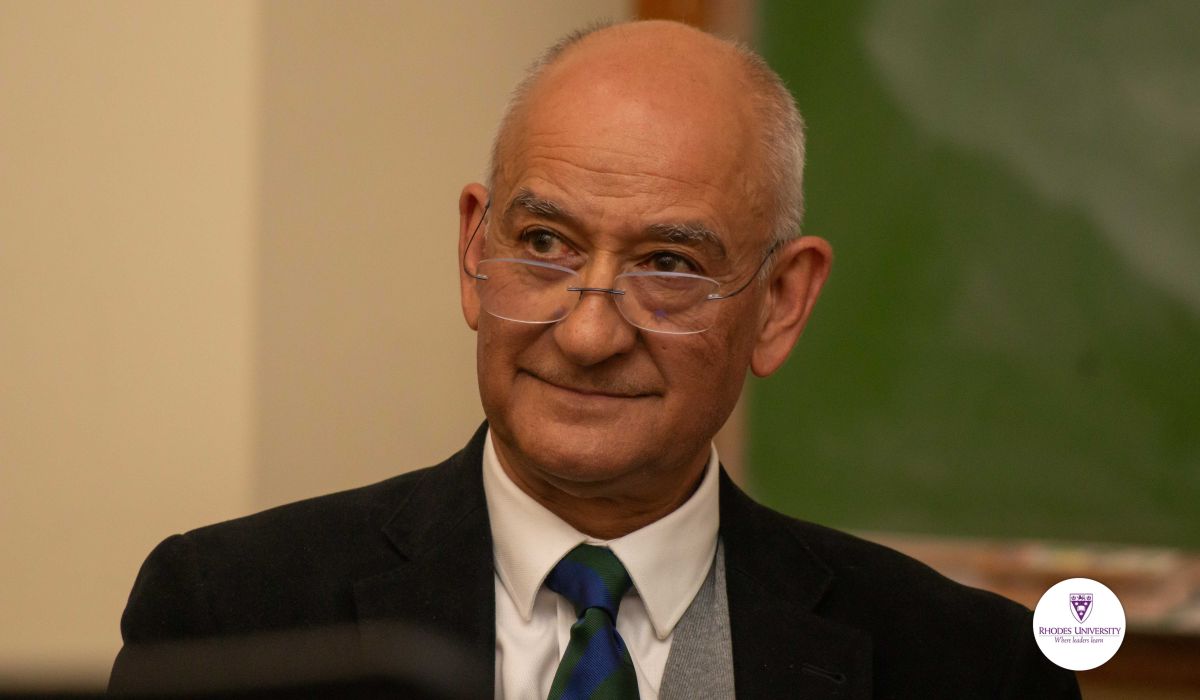
When Chief Justice Mandisa Maya apologised in May for taking almost 18 months to deliver judgment in the Phala Phala case, it seemed like a rare moment of judicial accountability. But retired Supreme Court of Appeal Judge Azhar Cachalia believes this was far from unusual.
Speaking at a public lecture hosted by Rhodes University’s Faculty of Law, Cachalia argued that ongoing delays at the Constitutional Court have become a widespread problem, putting public confidence in South Africa’s highest court at risk.
“The Court’s caseload does not care why its jurisdiction was expanded. It simply has to be managed,” Judge Cachalia said.
Justice delayed, confidence diminished
Research presented during the lecture showed that the average time between a hearing and a judgment almost doubled between 2010 and 2021. Since then, judgments have taken about seven months on average, and the full appeal process, including deciding whether a case will be heard, can leave people waiting around eighteen months for a final result.
Judge Cachalia pointed out that the human cost goes far beyond statistics. People challenging government decisions, defending their constitutional rights, or seeking commercial certainty are often left in limbo, not even knowing if their cases will be heard.
He also criticised the increasing use of one-line orders that refuse leave to appeal, saying that without proper reasons, lawyers struggle to advise their clients about the court’s approach.
“The Constitutional Court is no longer a Constitutional Court, and the Supreme Court of Appeal is anything but supreme,” Judge Cachalia said.
He made it clear that his criticism was directed at the institution, not at individual judges, warning that justice delayed eventually becomes justice diminished.
“Every year this debate is pushed aside, litigants wait even longer, reasons are left unexplained, and trust in our courts slips away. Confidence in our constitutional democracy is quietly eroded a little further,” Judge Cachalia said.
Research points to reform
Freedom Under Law’s research compared how the highest courts in Germany, Canada, the United Kingdom, and the United States handle heavy caseloads. Instead of recommending a foreign model, the research identified reforms that could work within South Africa’s constitutional system.
The proposals cover both practical and institutional changes. Some suggestions include clearer guidance on which cases should be heard, better explanations for refusals, and stricter limits on lengthy applications. Others are more far-reaching, such as creating dedicated case screening units, using smaller panels to assess new matters, adding more judges, and rethinking the relationship between the Constitutional Court and the Supreme Court of Appeal.
Judge Cachalia said real reform will need the judiciary, government, the legal profession, and universities to work together, calling law faculties essential partners in strengthening constitutional democracy. “It is time for the law faculties, including this one, to join that effort,” Cachalia said.
He ended with a clear warning that the biggest risk now is not picking the wrong reform, but not picking any reform at all. “Doing nothing is no longer a defensible option,” Cachalia said.
Get your news on the go. Click here to follow the Conviction WhatsApp channel.
This article was first published by Rhodes University. Read the original publication here.
