


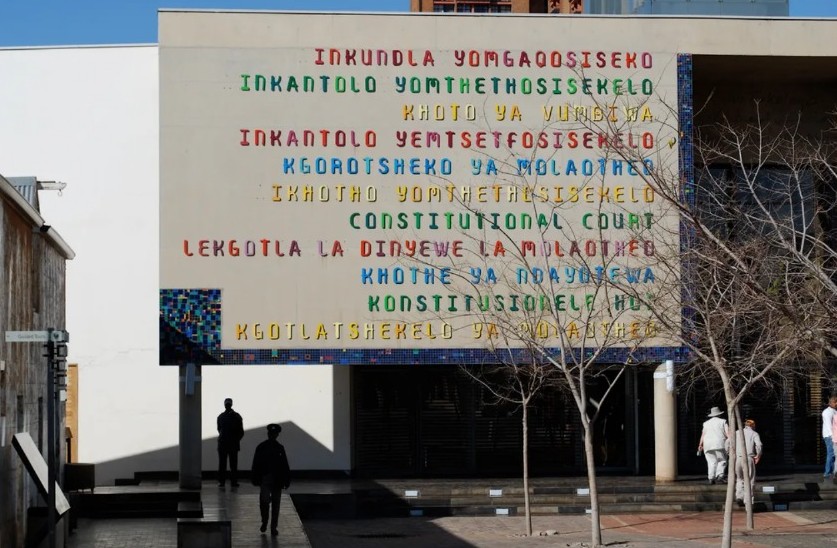
- The Constitutional Court will consider whether current consent standards in sexual violence law unfairly exclude survivors with disabilities or mental illness.
- Applicants and supporting organisations argue that the law must recognise trauma responses and barriers to expressing non-consent.
- The outcome could set a precedent for how consent is defined and how survivors with disabilities are protected in South Africa’s justice system.
On 25 September 2025, South Africa’s Constitutional Court will face a case that could reshape the nation’s understanding of sexual violence, consent, and the rights of disabled survivors. In The Embrace Project: NPC and Others v Minister of Justice and Correctional Services and Others, the applicants are challenging laws they say let perpetrators evade justice unless they clearly recognised the risk that consent was not given.
They argue that this legal standard unfairly excludes survivors with mental illness or disabilities, people whose trauma responses or cognitive challenges may prevent them from physically resisting or clearly expressing non-consent. The case asserts that these provisions violate survivors’ fundamental rights to dignity, autonomy, and equality, reinforcing barriers to justice for some of society’s most vulnerable.
A coalition of amici curiae, including Lawyers for Human Rights, the Centre for Human Rights at the University of Pretoria, and the Psychological Society of South Africa, will appear before the court to support the applicants. Their submissions are part of The Embrace Project, a broader movement centring survivor voices and calling for the law to acknowledge the many ways trauma can manifest.
Recognising trauma responses in the law
The amici stress that trauma responses like paralysis, numbness, detachment, or complete immobilisation are involuntary. These reactions do not signal consent; they are the body and mind’s ways of coping with distress. Yet, current legal frameworks can mistakenly interpret a survivor’s silence or stillness as agreement, especially when the survivor lives with a mental illness or disability.
Together, these organisations argue that courts should admit expert psychological evidence in sexual violence cases. Without it, judges may unintentionally reinforce harmful stereotypes or ignore survivors whose trauma responses do not fit conventional expectations.
This case is a crucial chance to reshape South African law in line with constitutional values and international human rights standards. It’s a call for a justice system that affirms survivor dignity, understands trauma, and ensures no one, especially disabled or mentally ill survivors, is left behind.
Get your news on the go. Click here to follow the Conviction WhatsApp channel.
