


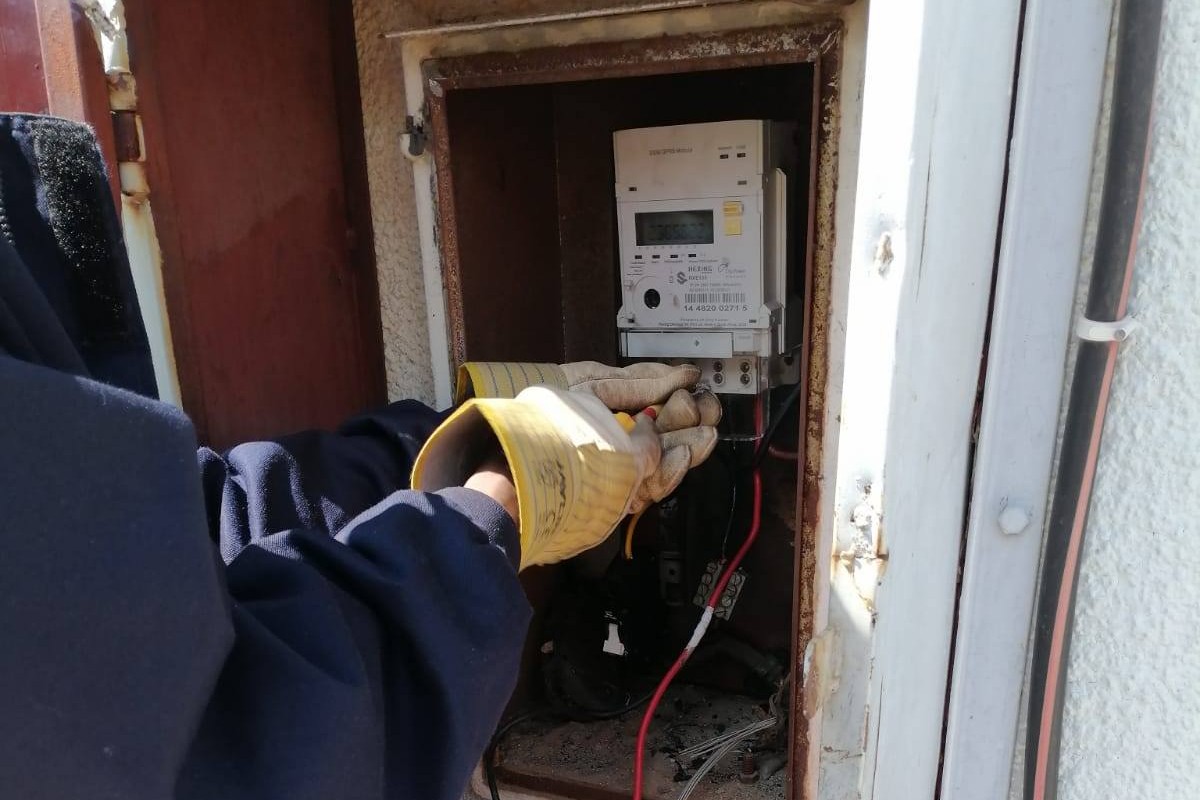
- For the poorest South Africans, electricity bills now cost more than maize meal, bread and taxi fares.
- The cost of essentials keeps rising faster than inflation, leaving households with less and less room to manage.
- Utilities are at the heart of South Africa’s cost-of-living crisis.
For South Africa’s poorest households, electricity bills have overtaken spending on basic food and transport, a stark sign of how badly the cost-of-living balance has shifted.
The Competition Commission’s March 2026 Cost of Living Report highlights this imbalance. It stated, “Spending on electricity exceeds expenditure on several other essential goods and services in decile 1, such as maize meal (4.7%), brown bread (3.3%), and minibus taxi fares (4.3%).”
The report makes clear that this is not an isolated trend. Essential services are becoming increasingly out of reach, and the pressure on low- and middle-income households is relentless.
Essentials are swallowing household budgets whole
The report paints a bleak picture for households in the lowest income bracket. The vast majority of their money goes on basic needs, leaving almost nothing to fall back on when prices go up. The Commission states, “Households in the lowest income decile (Decile 1) allocate the largest share of their expenditure to food and non-alcoholic beverages (40.71%), followed by housing and utilities (26.1%).
"Together, these essential categories account for 66.81% of total expenditure, underscoring the significant financial pressure on poorer households to meet basic needs.” When so much income is already spoken for, any rise in electricity or other essential costs hits immediately and hard.
The report reinforces this broader reality. “Rising prices in essential goods and services have become a defining source of financial strain for South African households,” the report read
Electricity and water costs keep climbing with no end in sight
Electricity and water are non-negotiables that every household depends on, yet their costs keep climbing sharply. The Commission states, “Electricity and water remain essential for every household, forming the backbone of daily life, public health, and economic activity.”
Electricity prices have increased significantly over time. The report states, “Electricity prices rose sharply, with cumulative electricity inflation increasing to approximately 85% over the five-year period.”
These increases have blown past overall inflation, making life significantly harder for ordinary households. The Commission explains, “This growing divergence underscores the extent to which administered prices for essential services, particularly electricity and water supply, have outpaced general price pressures, significantly intensifying the cost burden on South African households.”
The report further highlights the structural nature of these increases, stating, “The persistence of these increases reflects deeper structural challenges within the utility sector, including ageing infrastructure, high debt burdens, operational inefficiencies, and the need for ongoing capital investment to stabilise service delivery.”
Education and healthcare: two more costs families cannot escape
On top of everything else, the cost of education and healthcare is also climbing, piling more pressure onto households already stretched thin. The Commission notes, “Public school fees for 2026 have increased by approximately 10%. This is largely due to increasing operational costs, which are not sufficiently covered by government funding.”
This raises concerns about both affordability and quality. The report warns, “If the subsidy amount is not in line with rising operational costs, the quality of education is likely to deteriorate as schools may be faced with a lack of teachers and overcrowding of learners in classrooms.”
Healthcare costs are rising too, and the burden falls hardest on those without medical aid, the majority of South Africans. The Commission states, “Patients who are employed but uninsured often seek private primary care such as General Practitioners (GPs) and clinical services.”
It adds, “It is therefore important that the cost of private GPs remains affordable as the majority of South Africans are uninsured (84% are uninsured).”
Transport costs ease slightly, but risks remain
There is some rare good news: transport costs, particularly petrol prices, have shown signs of stabilising. The report states, “Cumulative petrol inflation shows signs of stabilisation following earlier periods of pronounced volatility.”
Taxi fares have also tracked closer to overall inflation, offering a small measure of relief. However, the Commission warns that this stability may not last. It states, “The fuel price tends to have economy-wide inflationary effects given the role of transportation for all goods, particularly food prices, where it impacts fertiliser prices too.”
A crisis that keeps getting worse
The report is unambiguous: the cost-of-living crisis is not easing. It is shifting and deepening in ways that consistently hit low-income households the hardest.
The Commission states, “Even when headline inflation moderates, the cost pressures faced by households remain firmly entrenched.”
It further explains, “Prices of basic goods and services, including administered prices and prices set in regulated or weakly competitive sectors tend to rise faster than overall inflation and, once elevated, seldom adjust downward.”
For millions of South African households, electricity and other essential costs will keep defining the shape of daily life, and the weight of long-term financial strain shows no sign of lifting.
Get your news on the go. Click here to follow the Conviction WhatsApp channel.
