


- Labour Court criticises the Office of the Premier and Department of Transport & Public Works for excessive delays in a nine-year-old labour dispute.
- The case, originally launched in 2016, is re-archived due to departmental inaction and a lack of clarity around alleged settlement.
- Government must now pay attorney-client costs, sending a strong message about accountability and case management in the public sector.
A labour dispute involving two provincial employees and the Western Cape government has ended not with justice served, but with the court’s patience exhausted.
On 3 July 2025, the Cape Town Labour Court re-archived the case, effectively shelving it, after finding the state departments responsible had delayed the matter for nearly a decade.
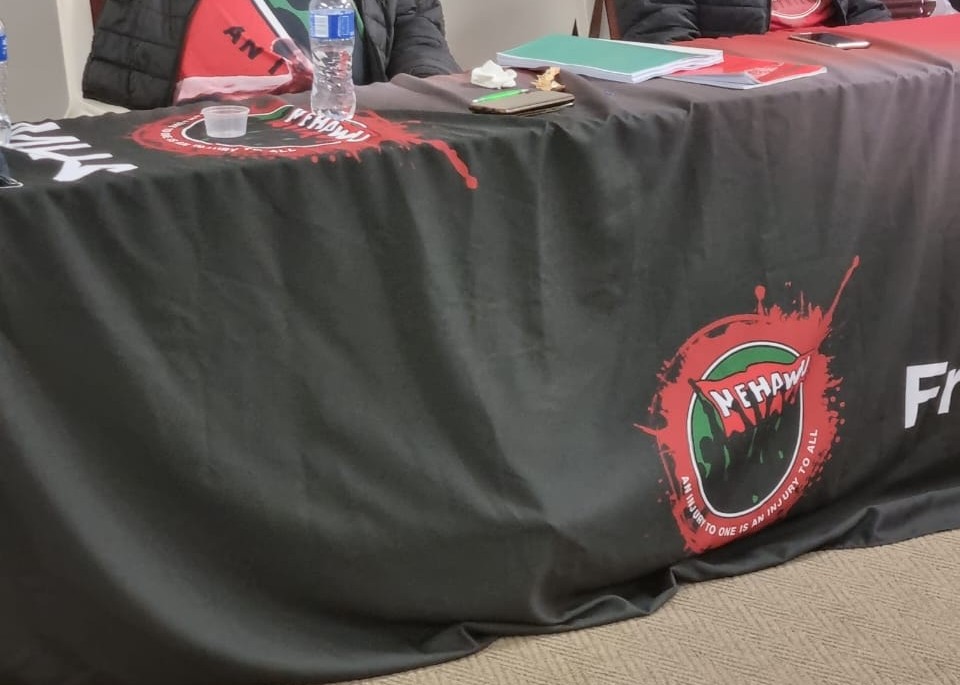
The case was brought by NEHAWU on behalf of two employees, Mncendisi Michael Nobala and Mthethunzima Alfred Thunzi, following a 2016 arbitration award in their favour. Despite a review application filed by the state in 2019, little progress was made.
What followed was a litany of postponements, unanswered correspondence, and confusion over whether a settlement had in fact been reached in July 2022. But Judge AC Oosthuizen was not persuaded, finding the government's explanation for the delays vague, inconsistent, and ultimately unjustifiable.
Settlement that wasn’t and years of silence
The state’s claim that the matter had been settled during negotiations in July 2022 fell flat. The judge noted that even after these supposed discussions, a letter from the State Attorney dated 2 August 2022 made a fresh counter-offer, something that would be illogical if settlement had been finalised a month earlier.
In addition, a joint minute between the parties filed in July 2022 confirmed that negotiations were still ongoing, with no final agreement in place.
Meanwhile, NEHAWU sent repeated follow-ups and requested roundtable meetings, letters that were either ignored or met with silence. When NEHAWU eventually rejected the state’s offer in December 2022, it marked the first time the union had formally stated that no deal had been reached. The court found that the departments failed to act on multiple invitations to proceed, allowing the case to drift aimlessly for months at a time.
Court: This is exactly why we archive cases
Judge Oosthuizen held nothing back in criticising the state's conduct, saying the case illustrated the exact problem clause 16 of the Labour Court Practice Manual was designed to prevent: letting cases gather dust due to poor case management and lack of urgency.
The judge pointed out that while the Practice Manual encourages flexibility, it cannot be used as a loophole to avoid due diligence. Public sector litigation, especially under the Labour Relations Act, must be resolved “as expeditiously as possible,” the judge emphasised.
The final blow was a harsh costs order against the state, which must pay attorney-and-client costs for the union’s trouble, a higher scale than usual, reflecting the court’s “displeasure at the extent of the delays.”
#Conviction
Get your news on the go. Click here to follow the Conviction WhatsApp channel.


