


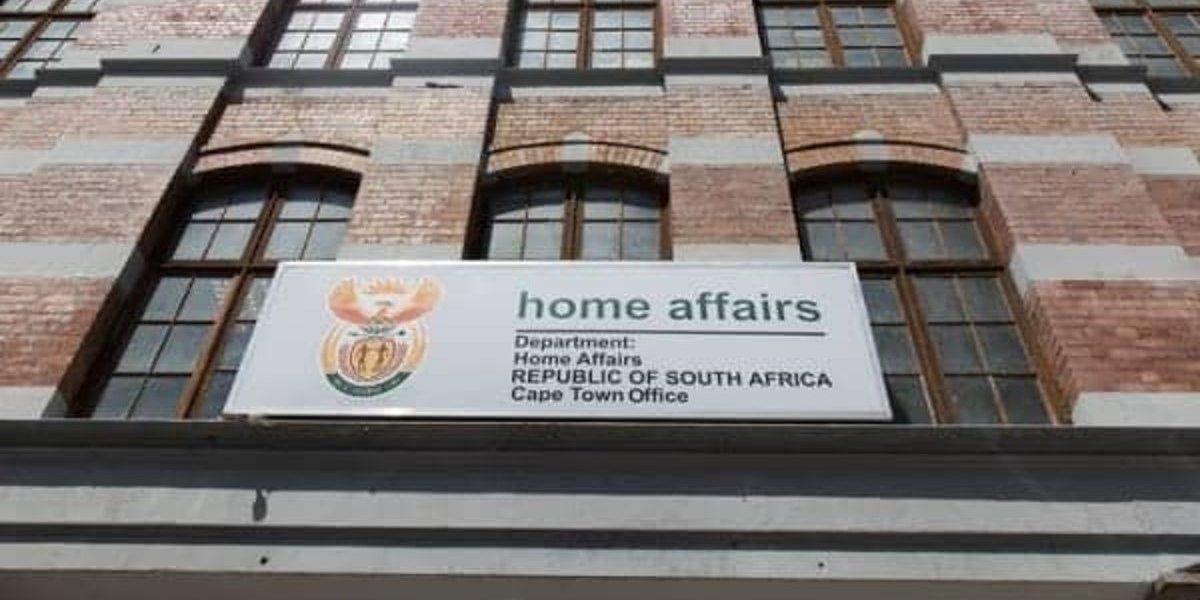
- Hasana Mahamad Ali says he was repeatedly turned away when trying to renew his refugee status.
- Judge S Mthimunye ordered Home Affairs to provide a written appointment within 10 court days.
- Ali may not be arrested, detained or deported while his refugee status is being lawfully determined.
Hasana Mahamad Ali says he spent years trying to renew his refugee documentation, only to be turned away by Home Affairs offices while living with the fear that he could be arrested or deported before his case was ever decided.
That fear led the Somali national to court, where he sought protection against detention and removal from South Africa until he was allowed to re-enter the refugee process and have his status determined on the merits.
Acting Judge S Mthimunye delivered judgment on 11 August 2026 in the High Court in Cape Town in the case between Hasana Mahamad Ali and the Minister of Home Affairs and the Director-General of the Department of Home Affairs.
The court granted interim protection and ordered Home Affairs to provide Ali’s attorneys with a written appointment within 10 court days for him to attend the Cape Town Refugee Reception Office. The judge also barred Home Affairs from arresting, detaining or deporting Ali while the process under the Refugees Act is being lawfully determined.
A refugee who returned to Somalia
According to the judgment, Ali first arrived in South Africa in 2009 after fleeing political persecution in Somalia. He was granted refugee status until May 2011. He later returned to Somalia in 2013 and came back to South Africa in 2015.
Ali told the court that he returned because conditions in Somalia had become dangerous and that he and his family were threatened by Al-Shabaab to join its fight against the Somali government or risk being killed.
Home Affairs again recognised his refugee status after his return, and it remained valid until 2 November 2019.
Years of failed attempts to renew documents
Ali said that from 2019 onwards he repeatedly tried to renew his refugee status but was turned away by the Gqeberha Refugee Office. When the Cape Town Refugee Reception Office reopened in 2023, he said he was refused entry because he did not have a court order or authorisation from an immigration officer.
He told the court that he feared being arrested or deported before Home Affairs had finally determined his status.
The judgment records that Ali believed he had no other effective remedy and approached the court to ensure that Home Affairs would allow him to apply for asylum and consider his application on its merits.
Home Affairs challenged his version
Home Affairs opposed the application and accepted that Ali had previously been granted refugee status, including after his return to South Africa in 2015.
The department said its records showed that Ali attended the Cape Town Refugee Reception Office on 10 July 2023 to apply for an extension. It also said a system-generated letter was issued on 14 February 2024 inviting him to return, but that he failed to respond.
The department argued that Ali no longer qualified for refugee status because he had voluntarily returned to Somalia and that he had entered South Africa illegally when he came back in 2015. It also argued that the court should not interfere with its administrative processes.
Judge says the court is not deciding the refugee claim
Judge Mthimunye made it clear that the court was not deciding whether Ali should ultimately be granted refugee status. That decision, the judge said, remains for Home Affairs.
The judge found that Ali had shown a prima facie right because he had indicated an intention to apply for asylum and was entitled to approach the Cape Town Refugee Reception Office.
Relying on Constitutional Court authority, the judge quoted the principle that “all asylum seekers are protected by the principle of non-refoulement, and the protection applies as long as the claim of refugee status has not been finally rejected after a proper procedure.”
The judge also held that the disputes about Ali’s credibility and whether his refugee status had ceased were matters for Home Affairs to consider when determining the merits of his application.
Judge Mthimunye said the application before the court was not to interfere in the respondents’ executive and administrative procedures or authority, but rather to safeguard the applicant’s right to be allowed to make the necessary appointment for him to attend the Cape Town Refugee Reception Office.
Fear of deportation was enough
The judge accepted Ali’s evidence that he had visited Home Affairs several times without success and that he feared arrest and deportation before a final determination of his status. The court found that if he were deported before his application was lawfully determined, he would suffer irreparable harm.
Judge Mthimunye wrote that Ali was “subject to daily risk of being arrested and deported” and that this would affect both his safety and his family. The judgment also noted that there was no clarity on whether an application to renew his refugee status had been received and finally determined by Home Affairs.
Home Affairs must now process his case
Judge Mthimunye ordered Home Affairs to give Ali a written appointment at the Cape Town Refugee Reception Office within 10 court days.
The court also barred Home Affairs from arresting, detaining or deporting him while the process under the Refugees Act is being lawfully determined.
The protection will remain in force until Home Affairs has made a final decision on his status and any available internal appeal or review process has been completed.
Get your news on the go. Click here to follow the Conviction WhatsApp channel.
