


- Lawyers for Human Rights stepped in when a grieving parent received a hospital bill of R112,000.
- The hospital later corrected the child’s classification, which reduced the bill to R750.
- The organisation says this case highlights the urgent need for fair and consistent patient classification systems.
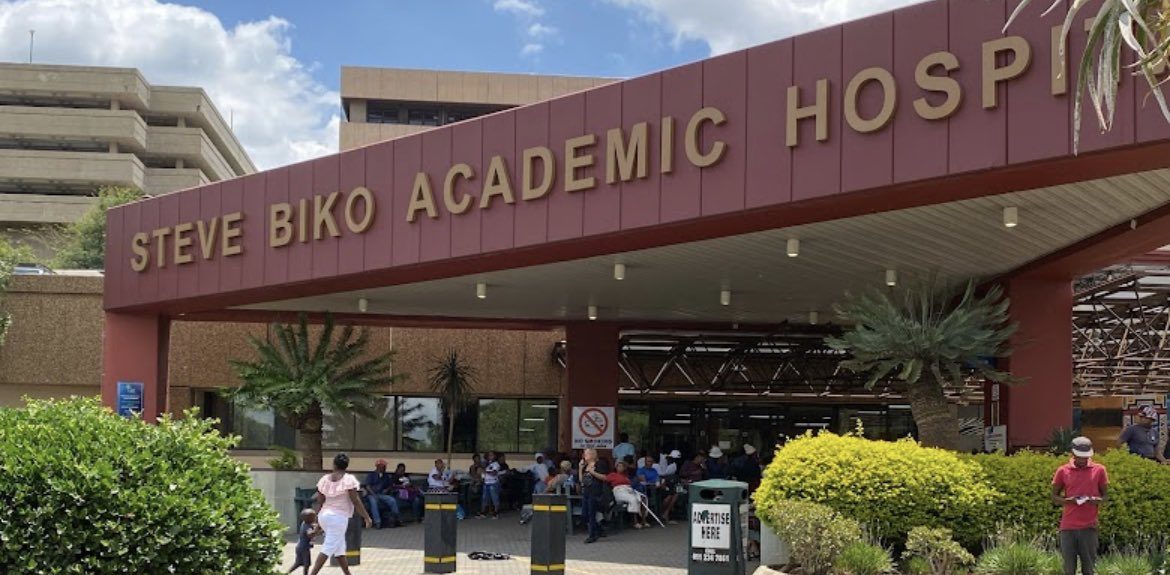
A refugee family finally collected the body of their child and proceeded with burial after Lawyers for Human Rights (LHR) intervened in a dispute over patient classification at Steve Biko Academic Hospital.
LHR said the family was unable to arrange their child’s burial after the hospital presented a bill for R112,000. The organisation explained that this amount resulted from the child being incorrectly classified, despite the family’s refugee status.
After urgent intervention by LHR, the hospital accepted the family’s documents and reclassified the child from PF, the full-paying category, to H1(F), the subsidised category for refugees and asylum seekers with valid paperwork and the lowest incomes.
This adjustment reduced the bill from R112,000 to R750. After payment, the family was referred to the mortuary and allowed to collect their child’s body. The issue was resolved without any legal proceedings.
Administrative error with devastating consequences
LHR explained that patient classification decides what families are charged for healthcare and can directly affect whether families can access essential services or, as in this case, collect the body of a loved one.
The difference between the original amount and the corrected amount, R112,000 compared to R750, speaks for itself. LHR added that no family should ever be put in a position where a massive hospital bill stands in the way of burying a child.
According to LHR, administrative failures affecting refugees and vulnerable people often result in unfair charges and needless barriers to basic services.
Constitutional obligations
LHR said hospitals and other public institutions must act lawfully, fairly and in line with constitutional rights to dignity, equality and access to healthcare.
"The release of a deceased person’s body should never be delayed because of an avoidable administrative error," the organisation said. "No grieving family should have to seek legal help just to correct a mistake that should never have happened."
While LHR welcomed the resolution, they said it was deeply concerning that legal help was needed before the hospital applied the correct classification and reduced the bill.
"A grieving parent should never face a bill of R112,000 as a barrier to burying a child, only to see it dropped to R750 after lawyers step in," LHR said.
Call for improvements
LHR has called on healthcare institutions and authorities to properly recognise and verify refugee and asylum documents, apply patient classification systems fairly and consistently, ensure billing practices are both lawful and fair, and introduce safeguards to prevent bereaved families from facing unnecessary administrative delays.
The organisation said the case highlights why public institutions must respond to vulnerable people and their families with dignity, fairness and humanity.
Get your news on the go. Click here to follow the Conviction WhatsApp channel.
