

Skip to content
Close Menu
ConvictionConviction
  • Home
  • Law & Justice
  • Special Reports
  • Opinion
  • Ask The Expert
  • Get In Touch

Subscribe to Updates

Get the latest creative news from FooBar about art, design and business.

What's Hot

Selection without substance in SAPS leadership interviews and fast car to nowhere

May 13, 2026

Son challenges disputed deathbed will after forensic expert rejects signature

May 13, 2026

R2 million fines and jail time for land grab organisers under proposed PIE law

May 13, 2026
Facebook X (Twitter) Instagram
Trending
  • Selection without substance in SAPS leadership interviews and fast car to nowhere
  • Son challenges disputed deathbed will after forensic expert rejects signature
  • R2 million fines and jail time for land grab organisers under proposed PIE law
  • Wife wins R90,000 interim maintenance order, with court citing marital lifestyle
  • Family wins eviction battle after disputed estate sale of Bellville home
  • Girl born in prison at centre of emotional custody fight involving incarcerated mother
  • ‘Abahambe’ and international labour political economy: Cycles of exploitation since the 1800s
  • Courts send strong warning to litigants who deliberately ignore binding court orders
Facebook X (Twitter) Instagram
ConvictionConviction
Demo
  • Home
  • Law & Justice
  • Special Reports
  • Opinion
  • Ask The Expert
  • Get In Touch
ConvictionConviction
Home » University of Western Cape graduate advocates for linguistic justice in South African courts
Law & Justice

University of Western Cape graduate advocates for linguistic justice in South African courts

Conviction Staff ReporterBy Conviction Staff ReporterApril 21, 2025No Comments
Facebook Twitter Pinterest LinkedIn WhatsApp Reddit Tumblr Email
blank
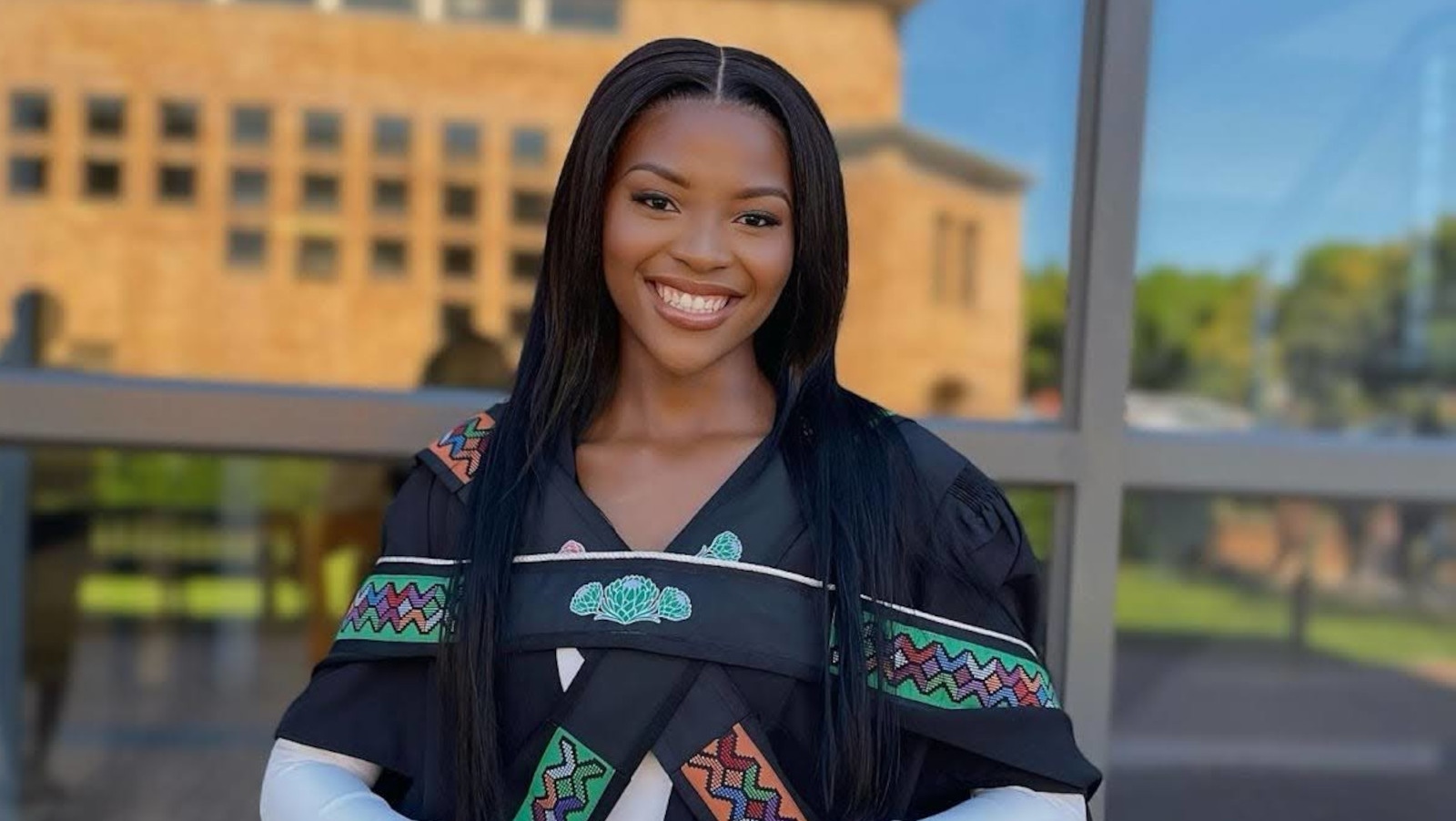
Sanelisiwe Qayi, UWC graduate and advocate for linguistic equity, works to ensure fair trials through the inclusion of indigenous languages in South Africa's justice system. Picture: UWC
Share
Facebook Twitter LinkedIn Pinterest Email

Sanelisiwe Qayi, a young academic from the University of the Western Cape (UWC), is emerging as a powerful voice for linguistic equity in South Africa’s legal system.

Graduating Magna Cum Laude with an Honours degree in isiXhosa (Forensic Linguistics), Qayi’s work confronts a critical, often overlooked issue: the marginalisation of indigenous languages in South African courtrooms.

Her research investigates the role of African languages in selected courts across the country, with a specific focus on how the dominance of English impacts access to justice. “People have a right to speak the language they understand in court, but that’s not always the reality,” said Qayi. “Misinterpretation can lead to injustice.”

At only 22 years old and the first in her family to obtain a university degree, Qayi’s academic path holds both personal and national importance. Her research draws attention to Section 35(3)(k) of the Constitution's Bill of Rights, which states that every accused person has the right to a fair trial, including the right to be tried in a language they understand, or to have proceedings interpreted accordingly.

However, Qayi found evidence of systemic shortcomings in this regard. During her study, she identified at least four cases where communication breakdowns between interpreters and witnesses adversely affected the integrity of proceedings. She also referenced the high-profile Senzo Meyiwa trial, noting that while both isiZulu and Setswana have been used, interpretation has been limited to isiZulu, leaving some participants at a disadvantage.

“It’s not just the accused who are affected,” Qayi explained. “Lawyers, court officials, and other legal practitioners also face barriers when they must navigate proceedings in a language that’s not their own.”

From the Bill of Rights to the heart of the courtroom

Referencing Nelson Mandela’s famous quote (If you talk to him in his language, that goes to his heart), Qayi argues that linguistic accessibility is not only a legal imperative but also a means of fostering deeper understanding and empathy in the courtroom.

Currently enrolled in a Master’s programme at UWC, Qayi is extending her research to examine how courts accommodate persons living with disabilities who require South African Sign Language. Her comparative study includes a review of international jurisdictions, with a particular focus on the rights of disabled persons as courtroom participants.

In addition to her academic pursuits, Qayi teaches isiXhosa and serves as a newsreader at Zibonele FM, a community radio station in Khayelitsha. Her dedication to promoting indigenous languages will soon take centre stage when she presents her Honours thesis, entirely in isiXhosa, at the International Association of Forensic Linguistics conference. The event, hosted by UWC, will be held at the President Hotel in Sea Point from 30 June to 4 July 2025 and is expected to draw local and international legal experts, including Chief Justice Mandisa Maya.

#Conviction

Get your news on the go. Click hereto follow the Conviction WhatsApp channel.

Courtesy: University of the Western Cape

Court Interpreting fair trial rights Forensic Linguistics Indigenous Languages Language Rights Legal Accessibility Linguistic Justice Sanelisiwe Qayi South African justice system UWC Research
Share. Facebook Twitter Pinterest LinkedIn Tumblr Telegram Email
Conviction Staff Reporter

    Conviction.co.za — Towards a Positive Impact on People

    Related Posts

    Son challenges disputed deathbed will after forensic expert rejects signature

    May 13, 2026

    R2 million fines and jail time for land grab organisers under proposed PIE law

    May 13, 2026

    Wife wins R90,000 interim maintenance order, with court citing marital lifestyle

    May 13, 2026
    Leave A Reply Cancel Reply

    Prove your humanity: 9   +   10   =  

    Subscribe to our newsletter:
    Top Posts

    Making sectional title rules that work: A practical guide

    January 17, 2025

    Protection order among the consequences of trespassing in an ‘Exclusive Use Area’

    December 31, 2024

    Between a rock and a foul-smelling place

    November 27, 2024

    Irregular levy increases, mismanagement, and legal threats in a sectional title scheme

    June 2, 2025
    Don't Miss
    Opinion
    9 Mins Read

    Selection without substance in SAPS leadership interviews and fast car to nowhere

    By Professor Jacob Tseko MofokengMay 13, 20269 Mins Read

    Professor Jacob Tseko Mofokeng warns that SAPS interview panels risk rewarding continuity over competence when independence and meaningful scrutiny are absent.

    Son challenges disputed deathbed will after forensic expert rejects signature

    May 13, 2026

    R2 million fines and jail time for land grab organisers under proposed PIE law

    May 13, 2026

    Wife wins R90,000 interim maintenance order, with court citing marital lifestyle

    May 13, 2026
    Stay In Touch
    • Facebook
    • Twitter
    • WhatsApp
    Demo
    About Us
    About Us

    Helping South Africans to navigate the legal landscape; providing accessible legal information; and giving a voice to those seeking justice.

    Facebook X (Twitter) WhatsApp
    Our Picks

    Selection without substance in SAPS leadership interviews and fast car to nowhere

    May 13, 2026

    Son challenges disputed deathbed will after forensic expert rejects signature

    May 13, 2026

    R2 million fines and jail time for land grab organisers under proposed PIE law

    May 13, 2026
    Most Popular

    Making sectional title rules that work: A practical guide

    January 17, 2025

    Protection order among the consequences of trespassing in an ‘Exclusive Use Area’

    December 31, 2024

    Between a rock and a foul-smelling place

    November 27, 2024
    © 2026 Conviction.
    • Home
    • Law & Justice
    • Special Reports
    • Opinion
    • Ask The Expert
    • Get In Touch

    Type above and press Enter to search. Press Esc to cancel.