


- Municipalities across South Africa are escalating inspections and penalty tariffs for illegal land use as financial pressures deepen.
- A 2021 Supreme Court of Appeal ruling has empowered councils to impose penalty rates without first changing valuation categories.
- Ordinary homeowners using properties for rentals, businesses, or short-term letting are increasingly being caught off guard.
South African homeowners are being urged to urgently review how they use their properties as municipalities nationwide intensify inspections and impose penalty rates for zoning contraventions.
What was once sporadic enforcement has evolved into a coordinated and increasingly aggressive revenue recovery strategy, leaving many property owners facing unexpected and sometimes crippling municipal bills.
According to Cor van Deventer, director at VDM Incorporated, municipalities under severe financial strain are turning to illegal land use enforcement as a practical means to stabilise revenue streams. “Municipalities are under enormous fiscal pressure, and we’re seeing a clear trend where penalty rates are being used to close budget gaps,” he says. “The enforcement activity now is far more aggressive than in previous years, and many homeowners are unaware that their everyday use of property could expose them to penalties.”
Legal authority behind the enforcement surge
The legal foundation for this intensified enforcement lies in the Supreme Court of Appeal’s 2021 judgment in City of Johannesburg Metropolitan Municipality v Zibi. The court confirmed that municipalities are legally entitled to impose penalty rates where a property is used in contravention of its zoning, even if the valuation roll still reflects a residential category.
“The court made it clear that municipalities do not need to first reclassify a property before imposing penalties,” Van Deventer explains. “That judgment significantly strengthened municipal powers and gave councils a clear legal pathway to penalise unauthorised land use.”
Although the ruling is several years old, its real-world consequences are only now being felt. Van Deventer says municipalities are increasingly relying on this authority to bolster their finances, leading to a nationwide increase in inspections, enforcement actions, and penalty tariffs. In many cases, penalty charges are backdated, resulting in large and unexpected arrears. “In some metros, penalty rates can be several times higher than normal residential rates, and for many families, that financial shock is devastating,” he says.
How inspections are being carried out
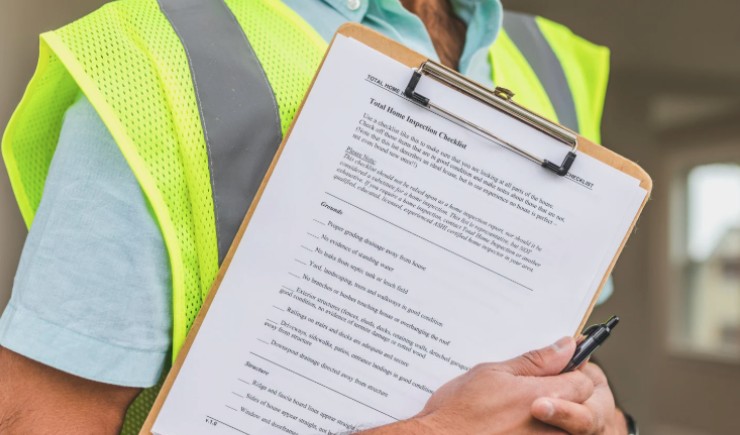
Municipal inspections are now more structured, frequent, and data-driven. While procedures differ between municipalities, enforcement often begins with desktop audits that compare zoning records, approved building plans, property valuations, utility consumption patterns, neighbour complaints, and even online listings such as Airbnb or student accommodation advertisements. Where a mismatch is detected, the property is flagged for further investigation.
This is typically followed by site visits conducted by land use inspectors or compliance officers, which may be announced or unannounced. Inspectors look for signs such as multiple entrances, subdivided units, high foot traffic, business signage, additional structures, or evidence of short-term or student accommodation. They may take photographs, request access to the property, or issue notices requiring the owner to submit information.
Where structures appear unapproved, municipalities cross-check what exists on site against approved building plans. Any discrepancies can result in contravention notices, directives to submit plans, or immediate penalty tariffs. Once unauthorised use is confirmed, municipalities may issue compliance notices, impose penalty rates, backdate charges, require rezoning or consent use applications, or even initiate legal proceedings for continued non-compliance.
“Municipalities are not only responding to complaints anymore,” Van Deventer cautions. “They are actively looking for contraventions, and homeowners need to understand that inspections are now systematic rather than incidental.”
A nationwide trend is gaining momentum
Recent enforcement actions across major metros illustrate the scale of the crackdown. The City of Tshwane has reportedly issued penalty rates to more than 700 properties in a single enforcement cycle. Johannesburg has intensified inspections targeting student accommodation, short-term letting, and home-based businesses. Cape Town has stepped up enforcement around unauthorised second dwellings, backyard rentals, and short-term letting, while eThekwini has openly linked illegal land use enforcement to broader revenue protection strategies.
Van Deventer warns that smaller municipalities are also following suit, often without the same level of public communication. “In many cases, homeowners only become aware of the issue when a penalty rate suddenly appears on their municipal account,” he says.
Property uses that commonly trigger penalties
Penalty rates are increasingly being imposed for short-term letting where zoning does not permit it, student accommodation in residential zones, home-based businesses operating without consent, backyard rentals or additional dwellings without approval, unapproved alterations or structures, and running crèches, salons, or workshops from home. Multi-tenant arrangements in single residential zones are also frequent targets.
“Even well-intentioned property use can fall foul of zoning rules,” Van Deventer explains. “A homeowner may think renting out a room or running a small business from home is harmless, but if the zoning doesn’t allow it, the municipality can and increasingly will impose a penalty rate.”
Why proactive compliance matters
With municipal finances under sustained pressure, Van Deventer believes enforcement will only intensify. He urges homeowners to proactively check their property’s zoning, confirm whether their current use is permitted, apply for rezoning or consent use where necessary, respond promptly to municipal notices, and seek legal advice at an early stage.
“The safest approach is to ensure your property use is compliant before you find yourself facing a penalty rate,” he says. “Once penalties are imposed, the financial and legal consequences can escalate very quickly.”
Get your news on the go. Click here to follow the Conviction WhatsApp channel.