


- The Board of Healthcare Funders challenged the lack of detailed information about the proposed scheme’s costs, funding and operation.
- The Western Cape Premier argued that the NCOP had not properly considered provincial submissions and proposed amendments.
- The Western Cape application was dismissed by a six to five majority, while the BHF’s application was dismissed unanimously.
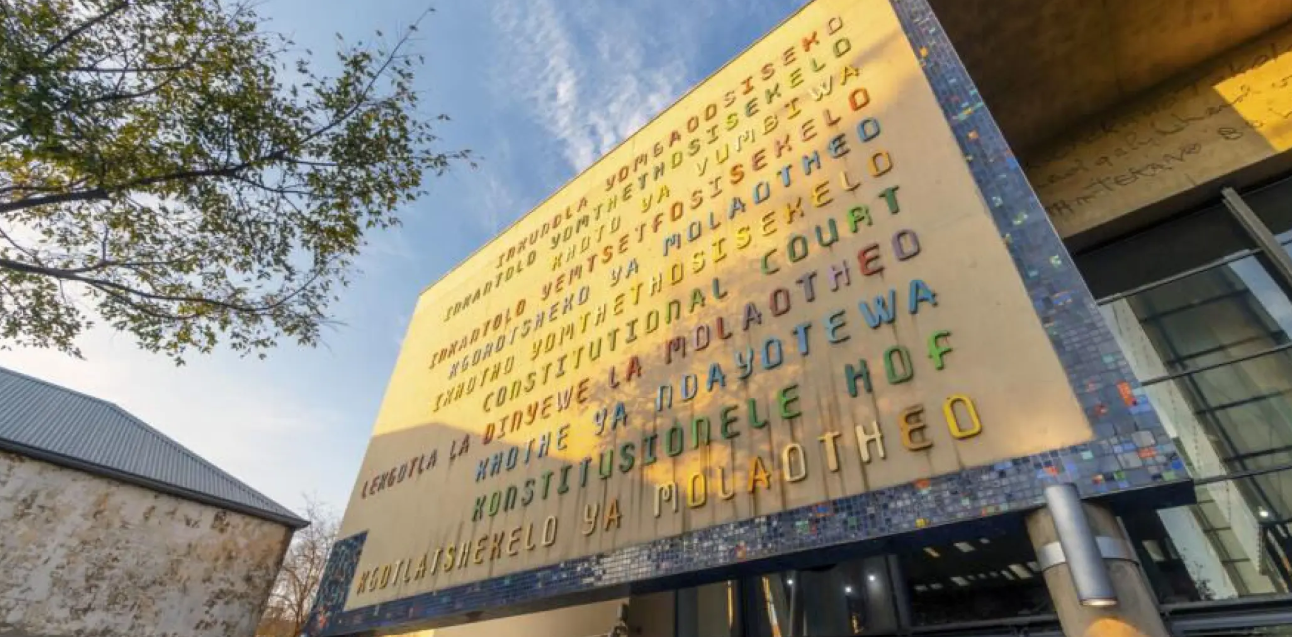
The Constitutional Court has found that Parliament fulfilled its constitutional duty to facilitate public involvement in passing the National Health Insurance Act. It rejected two applications challenging the public participation processes in the National Assembly and the National Council of Provinces (NCOP).
The applications were brought by the Board of Healthcare Funders NPC (BHF), which represents about 65 medical schemes, administrators and managed care organisations, and the Premier of the Western Cape Government. The BHF challenged the processes in both houses of Parliament, while the Premier’s application focused on how the NCOP considered provincial public participation and negotiating mandates.
Healthcare funders questioned information available to the public
The BHF argued that the public could not participate meaningfully without essential information about the proposed NHI scheme, including its costs, funding arrangements, basket of healthcare services and operating model. It also alleged that Parliament had approached the process with a closed mind and had departed from its own public participation framework.
Parliament and the Minister of Health opposed the application. They maintained that the process had been extensive and reasonable, and that the public had been given sufficient information.
In a unanimous judgment written by Justice SA Majiedt, the Constitutional Court dismissed the BHF’s challenge. It found that the Constitution requires enough information to make meaningful participation possible, but does not require Parliament to provide perfect or complete information.
The judgment said Parliament’s decision not to include detailed costing, funding arrangements, the basket of services and the operating model in the legislation was a deliberate legislative choice, not a failure to inform the public. Members of the public had the opportunity to comment on that choice and did so extensively.
The apex court also noted that NHI implementation would unfold over several decades and depend on available resources, making reliable costing difficult at this stage. The basket of healthcare services would be determined gradually under the transitional arrangements in Section 57 of the Act.
Justice Majiedt also found no evidence that legislators had approached the process with closed minds. Parliament was not required to adopt the submissions made by members of the public.
Western Cape challenged NCOP’s handling of provincial submissions
The Premier of the Western Cape argued that the NCOP had failed to properly consider provincial submissions, proposed amendments and negotiating mandates. The application also challenged the timetable, which the province said had disadvantaged its participation.
The minority judgment, also written by Justice Majiedt, found that the NCOP process had been unreasonable and unconstitutional. It identified three main shortcomings.
The first involved provincial concerns and proposed amendments that the NCOP Select Committee had not properly discussed. North West proposed 11 amendments and Limpopo proposed 10, while the Northern Cape raised substantive concerns. Several provincial mandates supported the Bill on the condition that their concerns and proposed amendments were addressed.
However, the Select Committee treated the negotiating mandates as votes in favour of the Bill instead of properly considering the conditions attached to provincial support. At a meeting on 14 November 2023, the committee spent less than eight minutes discussing the Bill. It neither considered nor mentioned the proposed amendments and concerns.
Justice Majiedt also found that earlier Select Committee meetings could not make up for these shortcomings because they took place before most provincial public participation reports had been submitted. Those meetings focused on written submissions made directly to the NCOP. The Department of Health, rather than the Select Committee, led the presentations and responses.
The judgment stressed that the legislature is responsible for facilitating public involvement and cannot delegate that duty to the executive.
The second shortcoming concerned Gauteng, whose provincial legislature did not submit its public participation report. The NCOP made no effort to obtain it. The minority found that written submissions and departmental summaries were not a substitute for the formal provincial report.
The third concerned the Western Cape’s timetable. Its submissions were considered only after eight other provinces had adopted their final negotiating mandates, leaving little opportunity for its concerns to influence the legislative process.
Justice Majiedt concluded that, taken together, these shortcomings made the NCOP’s public participation process unconstitutional.
Majority found NCOP process reasonable
The majority judgment, written by Justice NJ Kollapen, reached a different conclusion. It dismissed the Western Cape Premier’s application by six votes to five.
The majority assessed the NCOP process as a whole and found that provincial concerns had reached the Select Committee through written submissions, Department of Health officials who attended hearings and Select Committee members who took part in provincial hearings.
On Gauteng’s missing report, the majority acknowledged that it should have been submitted but found that the province’s concerns had reached the NCOP through other channels.
The majority also considered the Western Cape’s late submissions. It found that extensions had been granted and that delays by the provincial legislature had contributed to the difficulties. It rejected the argument that the timetable made the process unconstitutional.
On the proposed amendments, the majority found that the Select Committee had considered the substance of provincial concerns, even though it did not adopt the amendments. Public participation, it said, gives the public a reasonable opportunity to influence legislation, but does not guarantee that every proposal will be accepted or that the outcome will change.
The majority therefore found that the NCOP had fulfilled its constitutional obligations. Both applications were dismissed without costs orders.
The National Assembly passed the NHI Bill on 13 June 2023, followed by the NCOP on 6 December 2023. President Cyril Ramaphosa signed the National Health Insurance Act into law on 15 May 2024.
Get your news on the go. Click here to follow the Conviction WhatsApp channel.
