

Skip to content
Close Menu
ConvictionConviction
  • Home
  • Law & Justice
  • Special Reports
  • Opinion
  • Ask The Expert
  • Get In Touch

Subscribe to Updates

Get the latest creative news from FooBar about art, design and business.

What's Hot

Has the Constitutional Court lived up to Mandela’s vision of independence?

November 12, 2026

AIDS Foundation fails to recover R2.5m meant for vaccine programme but spent on staff

November 12, 2026

Bank account ownership alone did not prove guilt in R709 000 email fraud

November 12, 2026
Facebook X (Twitter) Instagram
Trending
  • Has the Constitutional Court lived up to Mandela’s vision of independence?
  • AIDS Foundation fails to recover R2.5m meant for vaccine programme but spent on staff
  • Bank account ownership alone did not prove guilt in R709 000 email fraud
  • Former trustee ordered to return body corporate property bought without proper approval
  • ICASA’s 30% black ownership requirement for communications licences under scrutiny
  • Gender justice group warns of alcohol-related harm to women and children
  • Ill worker dismissed despite regularly explaining his absence to employer
  • Family fights order to exhume father’s remains from ancestral homestead
Facebook X (Twitter) Instagram
ConvictionConviction
Sonneblom
  • Home
  • Law & Justice
  • Special Reports
  • Opinion
  • Ask The Expert
  • Get In Touch
ConvictionConviction
Home » The payday trap that could cost you your bond application chances
Consumer Protection

The payday trap that could cost you your bond application chances

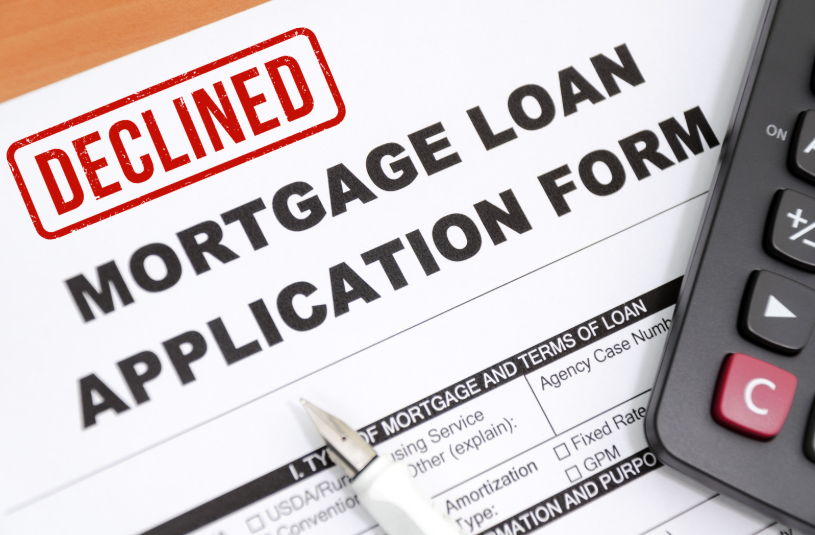
Short-term loans may look harmless between paydays, but banks read them as financial distress when assessing home loan approval.
Conviction Staff ReporterBy Conviction Staff ReporterFebruary 14, 2026No Comments
Facebook Twitter Pinterest LinkedIn WhatsApp Reddit Tumblr Email
Share
Facebook Twitter LinkedIn Pinterest Email
  • Temporary loans are routinely flagged by banks as signs of financial pressure, even when fully repaid, and this behaviour can lead to declined or delayed home loan approval for otherwise creditworthy buyers.
  • Repeated short-term borrowing lowers creditworthiness through behavioural scoring models, which focus on patterns of reliance rather than whether each loan was settled on time.
  • Financial advisers warn that avoiding payday style credit for at least six months before applying for a bond and using structured facilities instead can materially improve approval chances and interest rates.

The payday trap has become a quiet obstacle for thousands of South Africans hoping to buy their first home.

What feels like a small, practical fix at the end of the month, a quick temporary loan to cover groceries, school uniforms or an unexpected repair, can later surface as a red flag when a bank assesses a home loan application. By the time many buyers discover the impact, the opportunity to secure favourable finance has already slipped away.

Hannah van Deventer, director of Phoenix Bonds, says temporary loans are one of the most common reasons banks decline, downgrade or delay applications.

“People assume that if they repay a temporary loan on time, it won’t count against them,” she says. “But lenders read these loans as a reliance on debt. It’s not the repayment that concerns them; it’s the pattern. And banks take home loans very seriously.”

How banks interpret short-term credit

Credit reports tell a story that goes far beyond balances and due dates. They reveal habits. When banks evaluate a long-term commitment like a 20-year bond, they search for consistency, stability and predictable cash flow. Repeated short-term borrowing disrupts that picture.

“When banks assess a home loan application, they look for stability, predictability and low reliance on short-term credit,” Van Deventer explains. “Repeated temporary loans, even small ones, are red flags. They send the message that you’re struggling to make it through the month, which raises concerns about affordability and resilience.”

She says modern lending systems rely heavily on behavioural analytics rather than isolated incidents. “So while a single temp loan may be overlooked, a series of them is almost always flagged,” she adds. “It becomes a pattern, and patterns are what the system reacts to.”

Paying early does not protect your profile

One of the biggest misunderstandings is the belief that early repayment cancels out any negative effect. Van Deventer says this is rarely the case.

She describes a typical example of a working professional who took several small loans over the festive season and again in January for school expenses. Every loan was repaid ahead of schedule, yet her bond application was declined.

“The temp loans, small as they were, signalled that she couldn’t manage month-end without high-risk credit,” Van Deventer says. “The bank didn’t see a responsible consumer who repaid early. They saw someone living too close to the financial edge.”

“They tell us, I paid everything back. The system doesn’t reward that. It still reads reliance,” she adds.

The hidden impact on your credit score

Temporary loans fall into what lenders classify as high-risk, short-term credit, and that label alone can weigh on a credit profile.

“This fiscal behaviour is not uncommon, and in nearly every instance the customer has no idea about the negative impacts,” Van Deventer says. “Some banks even offer these payday-style loans inside their apps with very little explanation of the downstream consequences.”

“A client can be approved for a temporary loan in minutes, yet later be declined for a home loan by the same bank because that credit behaviour signals risk,” she explains. “Borrowers are rarely told how short-term credit can impact their long-term property goals.”

“The high-risk, short-term classification can lower your score regardless of whether you repay early, on time or in full,” she says. “A lower score affects your chances of approval, the interest rate you’re offered and the loan amount you qualify for.”

Timing before you apply matters most

Van Deventer says the months leading up to a bond application are critical because banks focus on recent behaviour to predict future risk.

“And timing matters. A lot,” she says. “Temporary loans taken in the three to six months before applying for a bond can result in a declined application, a reduced loan amount, or a higher interest rate that costs thousands over the home loan period.”

The long-term cost of short-term fixes

For many families, a home represents safety and stability. Temporary loans may feel small in the moment, but they can quietly weaken a credit profile at the exact time strength is needed most.

“They weaken your credit profile, reduce your negotiating power and signal instability,” Van Deventer says. “If owning a home is your goal, avoid temporary loans altogether and focus on building a clean, consistent credit history.”

Conviction.co.za

Get your news on the go. Click here to follow the Conviction WhatsApp channel.

consumer debt credit score home loans personal finance property buying
Share. Facebook Twitter Pinterest LinkedIn Tumblr Telegram Email
Conviction Staff Reporter

Conviction.co.za — Towards a Positive Impact on People

Related Posts

FNB customer demands R15,100 refund after fraudsters drain account using stolen phone

October 17, 2026

Dealership ordered to refund R323,950 for faulty car advertised in ‘excellent condition’

October 15, 2026

Suspected needle-like object in hamburger puts restaurant food safety under legal scrutiny

October 12, 2026
Leave A Reply Cancel Reply

Prove your humanity: 7   +   4   =  

Subscribe to our newsletter:
Top Posts

Your driving licence at the gate: What estates can actually legally scan

Sponsor: My Estate LifeSeptember 6, 2026

Making sectional title rules that work: A practical guide

January 17, 2025

Protection order among the consequences of trespassing in an ‘Exclusive Use Area’

December 31, 2024

Between a rock and a foul-smelling place

November 27, 2024
Don't Miss
Opinion
6 Mins Read

Has the Constitutional Court lived up to Mandela’s vision of independence?

By Dr Kaizer M NyatsumbaNovember 12, 20266 Mins Read

Kaizer Nyatsumba examines two controversial rulings that have prompted questions about the Constitutional Court’s independence and its commitment to Nelson Mandela’s vision.

AIDS Foundation fails to recover R2.5m meant for vaccine programme but spent on staff

November 12, 2026

Bank account ownership alone did not prove guilt in R709 000 email fraud

November 12, 2026

Former trustee ordered to return body corporate property bought without proper approval

November 12, 2026
Stay In Touch
  • Facebook
  • Twitter
  • WhatsApp
Demo
About Us
About Us

Helping South Africans to navigate the legal landscape; providing accessible legal information; and giving a voice to those seeking justice.

Facebook X (Twitter) YouTube WhatsApp Twitch RSS
Latest posts

Your driving licence at the gate: What estates can actually legally scan

Sponsor: My Estate LifeSeptember 6, 2026

Making sectional title rules that work: A practical guide

January 17, 2025

Protection order among the consequences of trespassing in an ‘Exclusive Use Area’

December 31, 2024
OUR PICKS

Two employees dismissed for secretly recording a workplace meeting via cellphone

November 9, 2026

Emmanuel Assemblies church founders ordered to surrender offices amid takeover

November 6, 2026

Bestmed ordered to reinstate member after unjustified medical aid cancellation

October 26, 2026
© 2026 Conviction.
  • Home
  • Buy Now
  • Law & Justice

Type above and press Enter to search. Press Esc to cancel.

Powered by
Necessary cookies enable essential site features like secure log-ins and consent preference adjustments. They do not store personal data.
None
Functional cookies support features like content sharing on social media, collecting feedback, and enabling third-party tools.
None
Analytical cookies track visitor interactions, providing insights on metrics like visitor count, bounce rate, and traffic sources.
None
Advertisement cookies deliver personalized ads based on your previous visits and analyze the effectiveness of ad campaigns.
None
Unclassified cookies are cookies that we are in the process of classifying, together with the providers of individual cookies.
None
Powered by