


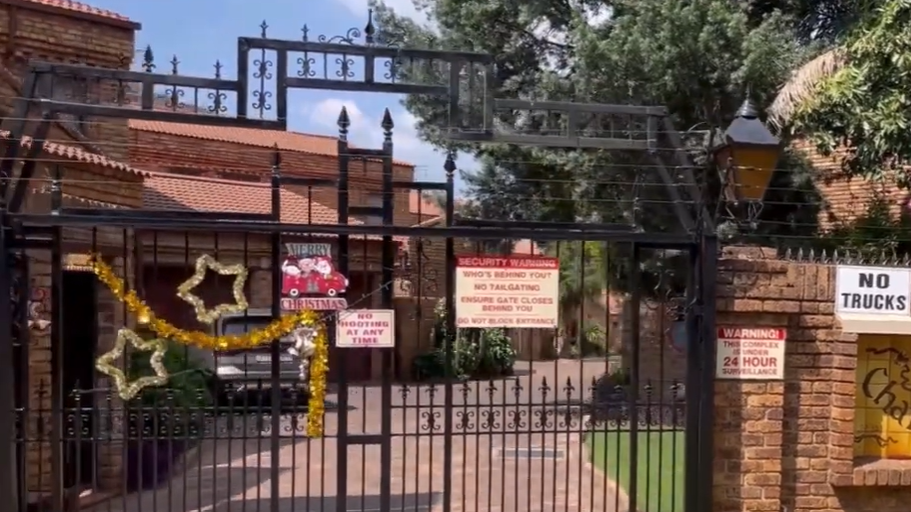
- The High Court found that the body corporate failed to comply with mandatory Insolvency Act requirements, including proper service on the Master, SARS and other affected parties.
- Judge L Windell held there was no evidence that sequestration would advantage creditors generally despite a levy claim exceeding R1.4 million against a property valued up to R2.5 million.
- The application was dismissed with costs, meaning the homeowner retains control of her estate and the property cannot be taken over by a trustee.
A bid to sequestrate a homeowner over more than R1.4 million in alleged levy arrears has been thrown out by the High Court in Johannesburg.
Judge L Windell found that the drastic insolvency process was legally defective and improperly used as a debt recovery tool.
The judge dismissed the application with costs and ruled that the Body Corporate of Charlemagne had not met the strict statutory safeguards required by the Insolvency Act.
Thereafter, Judge Windell emphasised that sequestration is designed to protect the collective interests of creditors, not to give one creditor extra leverage in collecting a debt.
Lee Anne Patricia Drysdale, the registered owner of the sectional title unit at the centre of the dispute, therefore, remains in control of her home and estate.
Strict safeguards ignored
The body corporate approached the court seeking sequestration based on years of unpaid levies and related charges. Although framed as a provisional order, the papers effectively sought final sequestration from the outset.
Judge Windell said that the approach misunderstood the law. Sequestration is a two-stage process and carries severe consequences. Once granted, a debtor is divested of their estate, which vests first in the Master and later in a trustee, placing homes and assets beyond their control.
Because of that impact, strict compliance with Section 9 of the Insolvency Act is compulsory.
The court found several gaps. The papers did not disclose Drysdale’s marital status or details of any spouse, did not show service on the Master or SARS, and contained no affidavit explaining how statutory service requirements were met.
“Compliance with section 9 is not a matter of form,” Judge Windell said. The “absence of proof of compliance is, in itself, sufficient to preclude the granting of a sequestration order.” That failure alone meant the application could not succeed.
Numbers did not prove benefit
Even if the formal defects were overlooked, the figures did not rescue the case. The body corporate claimed about R1 453 567.35 and estimated the property’s value between roughly R1.9 million and R2.5 million. But it provided no evidence about whether the property was bonded, what secured creditors might be owed, or what would remain after costs of sale and administration.
“In the absence of this information, the court is unable to determine whether any proceeds would remain after the satisfaction of secured debts and the costs of realisation and administration so as to yield a dividend to concurrent creditors,” Judge Windell held.
The judge also noted that the matter had been launched years earlier and pursued much later without updated financial information, leaving the court without a current picture of Drysdale’s circumstances.
“That does not satisfy the statutory requirement,” Judge Windell concluded.
Insolvency not a debt collection shortcut
The context suggested that ordinary remedies were already available. The body corporate held a settlement agreement, made an order of court and had previously obtained a judgment declaring the property especially executable.
“Sequestration proceedings are not designed to serve as an alternative or supplementary debt collection mechanism where execution remains available,” Judge Windell said.
Used primarily to force payment, the process risks becoming “an abuse of the process of court.”
Get your news on the go. Click here to follow the Conviction WhatsApp channel.
