


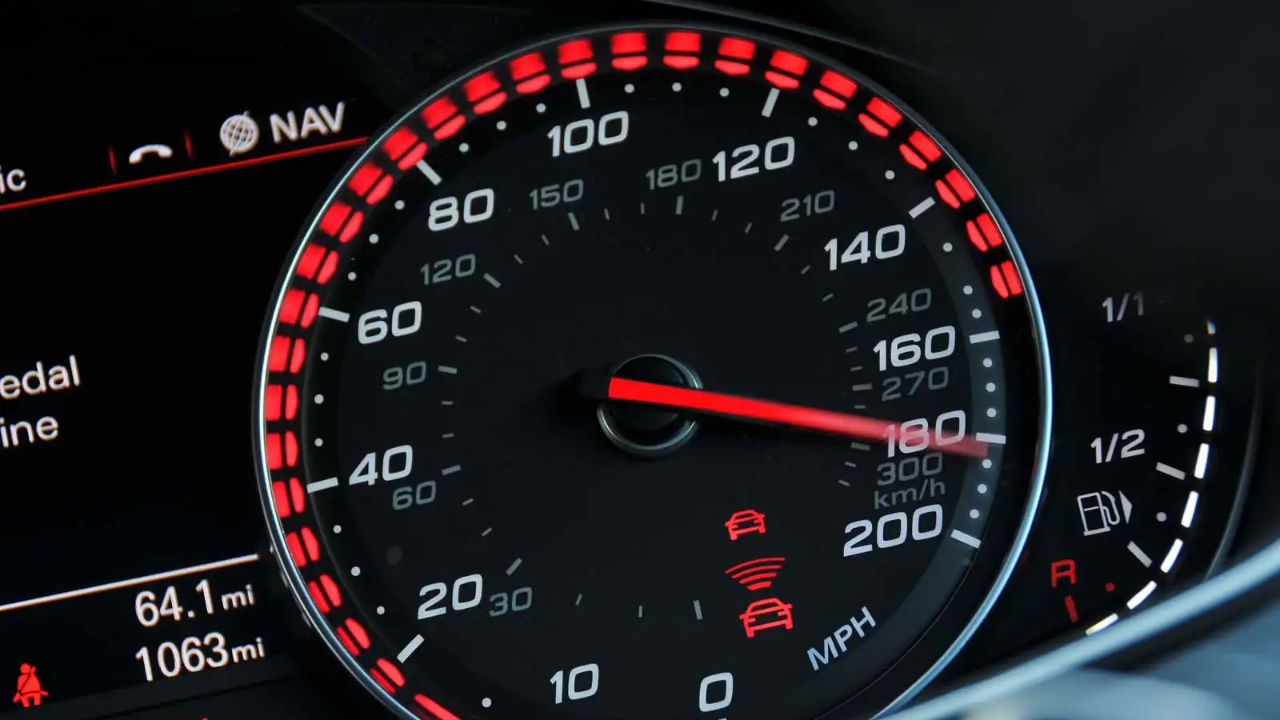
- Speeding is making crashes worse on South African roads and causing insurance costs to rise for motorists.
- Insurers may reject claims when speeding leads to policy exclusions, but these exclusions must be applied correctly and lawfully.
- Recent Ombud complaints show that negligence does not always mean recklessness. Clearly stated speed-based exclusions can lawfully lead to a rejected claim.
Speeding is costing South African motorists far more than a fine issued at the roadside. Beyond the immediate danger of deadly crashes, reckless speed is driving up repair costs, increasing insurance premiums, and in some cases leaving motorists with rejected claims that force them to carry the full financial burden of an accident.
Edite Teixeira-Mckinon, Lead Ombud of the Non-life Insurance Division at the National Financial Ombud Scheme South Africa, warns that every collision puts extra pressure on the insurance system, with rising repair costs eventually passed down to policyholders.
Even worse, when speeding is found to have caused an accident, insurers often use the ‘due care’ exclusion to reject claims completely. This clause requires policyholders to act reasonably to prevent loss and damage. However, it is not always applied correctly. She said this can leave policyholders unfairly out of pocket.
Speed and exclusions in insurance
In one recent case, a driver said he swerved to avoid a pothole, lost control on a bend, and mounted the pavement. The claim was rejected because of a policy exclusion that says you have a duty to take reasonable care to prevent or reduce loss, damage, injury, liability and accidents as if you did not have insurance.
An accident reconstruction expert found no pothole but calculated that the vehicle accelerated from 61km/h to 71km/h while executing the bend, which was above the critical speed of the curve. The insurer argued this proved recklessness.
Teixeira-McKinon’s office disagreed, pointing out that the policy covered negligent driving. To prove recklessness, the insurer had to show that the driver deliberately or intentionally caused the accident. In other words, the driver would have had to foresee the risk of losing control while taking the bend at 71km/h and go ahead anyway.
She argued that speeding alone does not count as recklessness. Driving eleven kilometres over the speed limit was considered negligent, but not reckless. The Ombud’s office advised the insurer to settle the claim, and they did.
The 20km/h rule
Some policies, however, go even further, excluding coverage if a driver exceeds the speed limit by more than 20km/h. Unlike the broad ‘due care’ clause common in short-term insurance, this exclusion must be specifically pointed out to policyholders before the policy starts.
A driver who was travelling at 114km/h in a 60km/h zone had his claim rejected. The insurer used the ‘more than 20km/h’ policy exclusion, relying on data from the car’s tracking device. The driver denied exceeding the speed limit by 20km/h and questioned the reliability of the tracking data, but he did not provide any evidence to back up his claim.
The driver could not remember how the accident happened and speculated that he lost control while swerving to avoid something in the road. It was explained to him that for this type of claim rejection, the insurer only needed to show what the speed limit was and that he exceeded it by more than 20km/h.
Considering the speed limit on the road and the speed at which the complainant had travelled before the accident, the Non-life Insurance Division was satisfied that the insurer had met its responsibility to prove the reason for rejecting the claim.
Get your news on the go. Click here to follow the Conviction WhatsApp channel.
