


Key points
- Junk foods are marketed as healthy, misleading parents and children alike.
- The Consumer Protection Act can challenge this, but it's rarely used.
- Draft R3337 could restrict these practices through warning labels and ad bans.
In supermarket aisles, on television screens, and across glossy magazine pages, South African children are being seduced by bright colours, playful characters and irresistible promises.
“Boosts immunity,” “all-natural,” “low fat,” “high in vitamins”. These phrases are often splashed across snack boxes and drink labels. To a parent, they suggest nourishment. To a child, they spell excitement. But behind these labels and advertisements often lies a deeply misleading message.
At a recent webinar hosted by the Dullah Omar Institute at the University of the Western Cape, researcher Dr Aisosa Jennifer Omoruyi peeled back the packaging, figuratively and literally, on how the food industry markets unhealthy products to children with dangerous precision. Her findings confirmed that behind the health claims and happy mascots lie ultra-processed, sugar-laden foods misrepresented as wholesome.
Marketing masquerade
Omoruyi, a research fellow at the Dullah Omar Institute, revealed the playbook: clever visual cues (like fruit imagery or athletic children), vague wellness jargon and subtle cognitive triggers give rise to the “health halo” effect. A juice may boast vitamin C while rivalling soda in sugar content. A cereal may flaunt fibre but flounder in nutritional value.
"Children, especially under the age of eight, can’t critically assess these cues, and most adults don’t look beyond the front-of-pack claims. Only one in three South African shoppers regularly checks the fine print, making perception more powerful than reality," she cautioned.
The law is on our side, if we use it
South Africa’s Consumer Protection Act of 2008 gives consumers a vital legal shield. It doesn’t require proof of individual harm, only that the marketing is reasonably likely to mislead the average consumer. That makes it a powerful, preventative tool, according to Omoruyi.
And it’s not just about the ingredients list. Courts and tribunals evaluate the overall impression of packaging and branding. “But so far, there’s been no landmark case in South Africa holding food marketers accountable for misleading children,” Omoruyi said. "The Heinz case in Australia, where a child-targeted snack was found to contain nearly two-thirds sugar despite 99% fruit and vegetable claims, provides a clear precedent for action."
What the research shows
Alice Khan from the School of Public Health at the University of the Western Cape said the institution conducted a groundbreaking study of nearly 7 000 packaged foods in major supermarkets. The results paint a chilling picture:
- 89% of snacks were high in sugar or loaded with non-sugar sweeteners.
- 98.3% of dairy drinks exceeded recommended thresholds for sugar and sodium.
- Half of yoghurt products violated healthy composition guidelines.
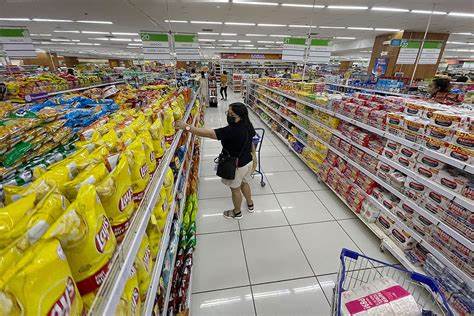
- Stores routinely used prime shelf placement and branded displays to push these products, especially at checkout.
This isn’t marketing, it’s manufactured temptation, Khan explained.
Draft R3337: The fork in the road
She disclosed that a regulatory shift is looming. Draft R3337 proposes bold measures: front-of-package warning labels on unhealthy products, bans on health claims for such items, and restrictions on marketing them to children. It could turn the tide, if implemented forcefully.
According to Khan, products most likely to carry warning labels are the very ones drowning in health claims today. Ending that mismatch could empower parents, protect children, and recalibrate the balance of trust in our food system.
Khan said, "The proposed marketing restrictions are likely to have a significant impact on the amount of on-package marketing on foodstuffs, particularly in products high in nutrients of concern to limit.
In this regard, the proposed marketing restrictions will be supportive of improving diet and reducing consumption of ultra-processed products."
Toward food justice
But the law alone can’t fix what culture enables. Omoruyi urges parents, advocacy groups, health professionals, and media platforms to speak up. Complaints can be filed with the National Consumer Commission, the Advertising Regulatory Board, or the National Consumer Tribunal, where real sanctions are possible.
"Because when we fail to act, children pay the price: in diet-related disease, chronic illness, and deeply ingrained habits formed before they can choose for themselves," she said. "Food isn’t just nourishment. It’s a gateway to health, dignity, and fairness. And it’s time South Africa demanded truth in every bite."
#Conviction
Get your news on the go. Click here to follow the Conviction WhatsApp channel
