

Skip to content
Close Menu
ConvictionConviction
  • Home
  • Law & Justice
  • Special Reports
  • Opinion
  • Ask The Expert
  • Get In Touch

Subscribe to Updates

Get the latest creative news from FooBar about art, design and business.

What's Hot

Government declares 30 June a normal working day and warns against xenophobic violence

June 27, 2026

Employment contracts: What must be in writing (and what should be in writing)

June 26, 2026

Widow denied early access to rental income from late partner’s property under lifetime usufruct

June 26, 2026
Facebook X (Twitter) Instagram
Trending
  • Government declares 30 June a normal working day and warns against xenophobic violence
  • Employment contracts: What must be in writing (and what should be in writing)
  • Widow denied early access to rental income from late partner’s property under lifetime usufruct
  • Copyright Bills survive constitutional challenge, Parliament must rewrite education provisions
  • Timberland manager denied legal representation in unfair dismissal dispute before CCMA
  • Utility company told to restore homeowner’s prepaid electricity in water billing dispute
  • The doors of learning are open; now we must open the doors of opportunity
  • Ramaphosa warns against vigilantism ahead of 30 June immigration protests
Facebook X (Twitter) Instagram
ConvictionConviction
Sonneblom
  • Home
  • Law & Justice
  • Special Reports
  • Opinion
  • Ask The Expert
  • Get In Touch
ConvictionConviction
Home » Civil Society fights back as controversial traditional leadership bill deadline looms
Law & Justice

Civil Society fights back as controversial traditional leadership bill deadline looms

Kennedy MudzuliBy Kennedy MudzuliMarch 27, 2025Updated:March 27, 2025No Comments
Facebook Twitter Pinterest LinkedIn WhatsApp Reddit Tumblr Email
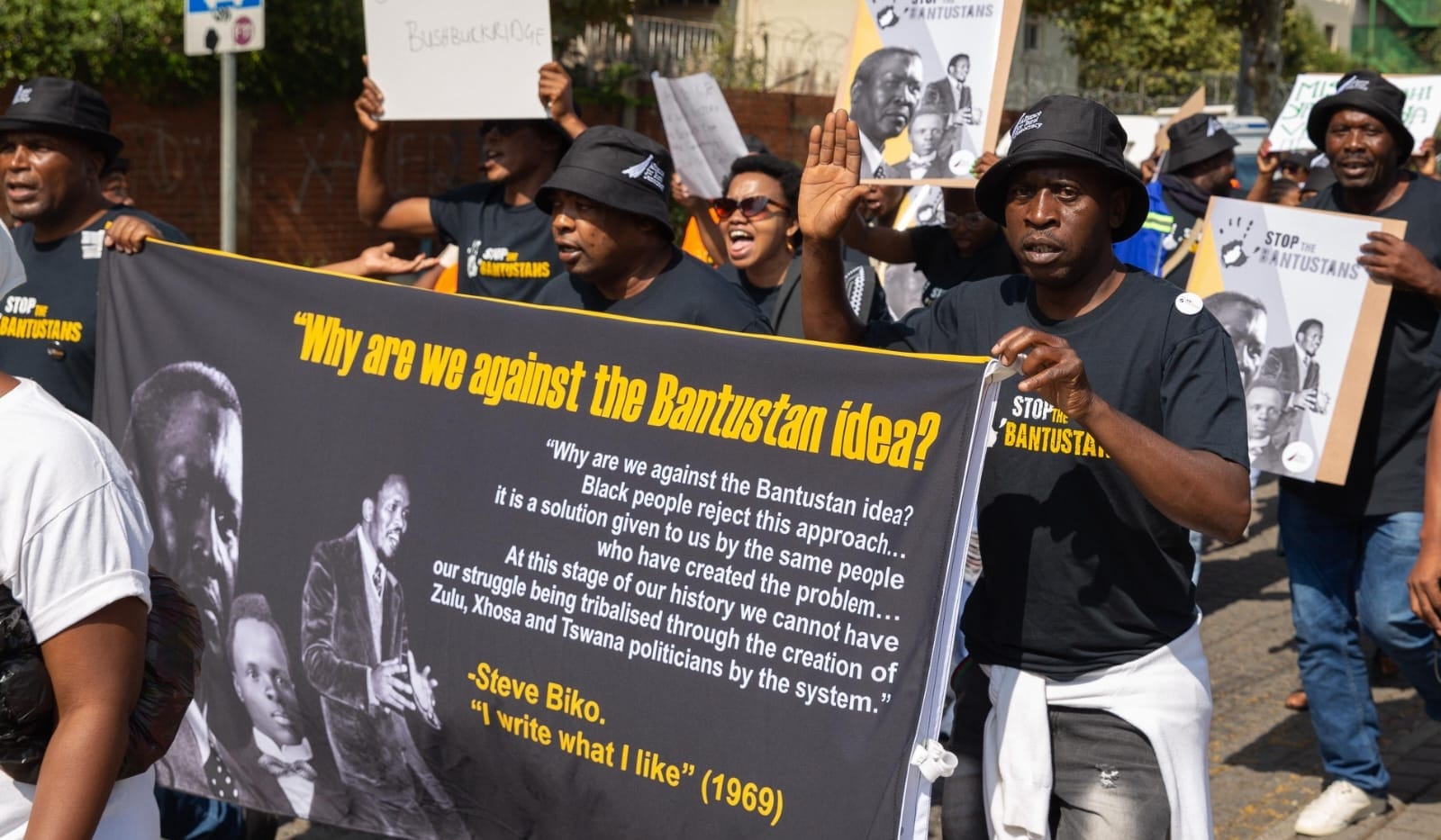
Representatives of various community organisations marched to the Union Buildings to express their unhappiness with the Draft Traditional and Khoi-San Leadership Bill in 2019. Picture: Supplied
Share
Facebook Twitter LinkedIn Pinterest Email

In a fervent outcry against South Africa's Draft Traditional and Khoi-San Leadership Bill 2024, civil society organisations assert that the legislation resurrects apartheid-era governance structures while neglecting the pressing land and customary rights issues faced by rural communities.  

Despite a ruling from the Constitutional Court, which previously struck down the controversial Traditional and Khoi-San Leadership Act 2019 due to inadequate public consultation, critics argue that the new draft Bill merely tinkers with the old law without addressing the underlying issues. The Constitutional Court ruled in their favour and ordered that the Act was unconstitutional and declared it invalid, suspending the order of invalidity until May 2025. 

The Alliance for Rural Democracy (ARD), a coalition that has tirelessly advocated for rural community rights for over a decade, has expressed profound disillusionment with the government's approach, describing the draft as a repetition of failed policy with little regard for the public's experiences and insights. 

Tshepo Fokane, spokesperson for the ARD, stated, "We went through a long process to communicate our experiences when the law was first passed. Yet, instead of genuinely revisiting its content, lawmakers made minor adjustments and reintroduced the same problematic legislation."  

She continued, "The government disregarded public input, undermining democratic principles and the spirit of participation. We call for a better draft that takes the views of the people into perspective. After two years of waiting and the input we and other organisations made in February, we're disheartened to see this recycled draft." 
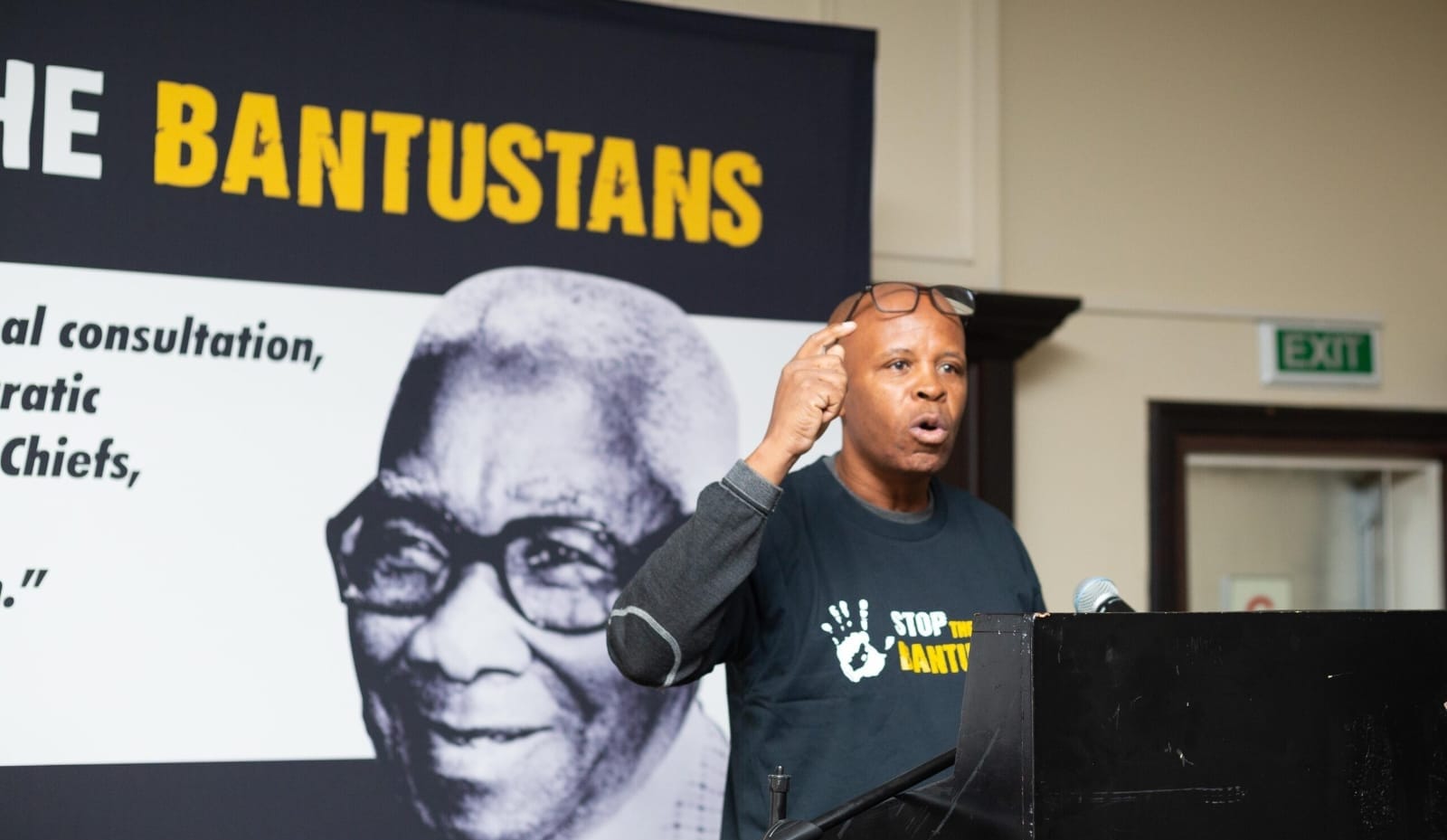
Victor Modimokwane of Bakgatla Ba Kgafela.

Bakgatla Ba Khafela’s Victor Modimokwane. Picture: Supplied

Rural communities, who remain scarred by past legislative failures, have found their concerns largely ignored in the new draft. Represented by the ARD and the Land Access Movement of South Africa, community leaders, including headwoman Duduzile Baleni of the Mgugundlovu Traditional Community and Bakgatla Ba Kgafela’s Victor Modimokwane, who initially challenged the Traditional and Khoi-San Leadership Act, expressed their anger over being sidelined in Parliament's decision-making processes pertaining to their rights. They feel the Constitutional Court had mandated that Parliament take their voices into account, yet activists hint at systemic disregard within the latest legislative proposal. 

The Draft Traditional and Khoi-San Leadership Bill 2024 was introduced under the auspices of reminding South Africans of the importance of social justice and human rights, as highlighted in Parliament's theme for Human Rights Day 2025. However, with rural activists branding their campaign as #StopTheBantustans, they argue that rural voices which have been clamouring for change are essentially being muted in favour of outdated governance structures. 

For over a decade, the ARD and its partners have sheltered the voices of communities residing in these former Bantustans, engaging in conversations demanding an end to oppressive legislation that perpetuates colonial legacies. 

"We have witnessed the dire consequences of land deals signed without the community's consent, leaving many dispossessed of their land. Traditional leaders often dictate terms that undermine the rights of rural residents, particularly women," Fokane explained.  

Grassroots activists have highlighted systemic issues, especially impacting women who face marginalisation. Many report being subjected to tribal levies imposed without adequate consultation, leading to their exclusion from essential community events, such as funerals and housing allocations.  

Molatelo Mohale, a Limpopo community representative, articulated growing frustration over this archaic system where traditional authorities wield unchecked power over community livelihoods. 

Amid the rising discontent, specific demands have emerged from rural societies, including a call to rename the legislation to Traditional Leadership Act, ensuring equitable representation for all traditional leaders. Proposals also highlight a desire for community autonomy, allowing those wishing to operate outside traditional frameworks to do so through local municipalities or democratically elected structures. Furthermore, advocates seek to regulate the administration of residential and business site allocations to safeguard against exploitative practices. 
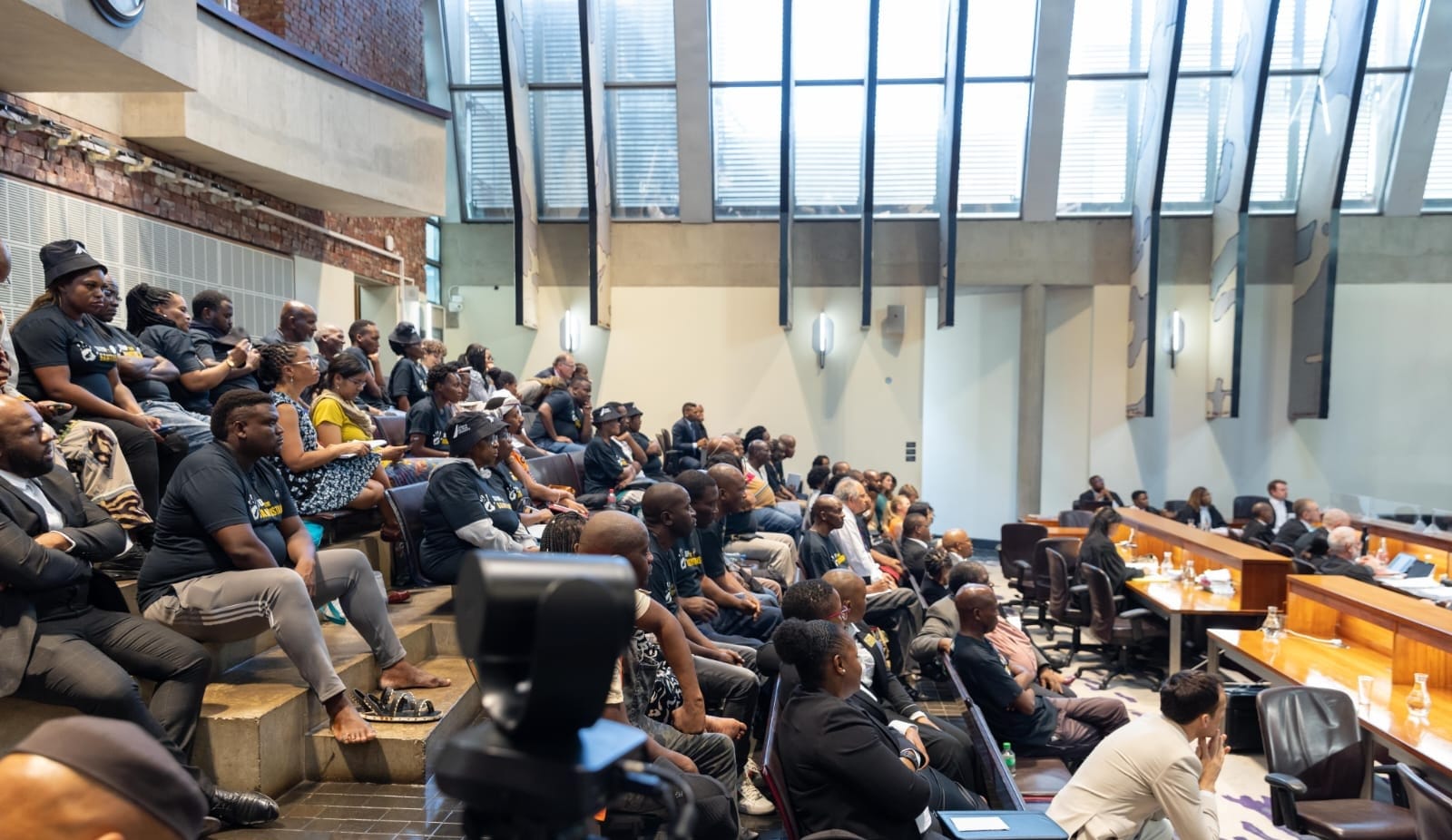
The Constitutional Court hearing the Traditional and Khoi-San Leadership Bill case in 2019.

Civil society organisations packed the Constitutional Court when it deliberated on the Traditional and Khoi-San Leadership Bill. Picture: Supplied

The ARD remains resolute in its position, urging lawmakers to recognise and respect the inherent rights of rural communities and to integrate their voices into the Draft Traditional and Khoi-San Leadership Bill. Their fight for fair representation continues, with hopes that deeper, more meaningful dialogue can amend the legislative process before it entrenches antiquated practices. 

"We demand a new law that would protect our land and natural resource rights, ensuring our role in governing our territory in the former Bantustans is non-negotiable. Only then can our vision for rural democracy gain the footing it deserves," concluded the ARD spokesperson. 

#Conviction

Get your news on the go. Click here to follow the Conviction WhatsApp channel.

Share. Facebook Twitter Pinterest LinkedIn Tumblr Telegram Email
Kennedy Mudzuli

Multiple award-winner with passion for news and training young journalists. Founder and editor of Conviction.co.za

Related Posts

Government declares 30 June a normal working day and warns against xenophobic violence

June 27, 2026

Widow denied early access to rental income from late partner’s property under lifetime usufruct

June 26, 2026

Copyright Bills survive constitutional challenge, Parliament must rewrite education provisions

June 26, 2026
Leave A Reply Cancel Reply

Prove your humanity: 8   +   5   =  

Subscribe to our newsletter:
Top Posts

Making sectional title rules that work: A practical guide

January 17, 2025

Protection order among the consequences of trespassing in an ‘Exclusive Use Area’

December 31, 2024

Between a rock and a foul-smelling place

November 27, 2024

Irregular levy increases, mismanagement, and legal threats in a sectional title scheme

June 2, 2025
Don't Miss
Human Rights
6 Mins Read

Government declares 30 June a normal working day and warns against xenophobic violence

By Kennedy MudzuliJune 27, 20266 Mins Read

The government has declared 30 June a normal working day while police, protest organisers and civil society urge peaceful demonstrations and warn against violence.

Employment contracts: What must be in writing (and what should be in writing)

June 26, 2026

Widow denied early access to rental income from late partner’s property under lifetime usufruct

June 26, 2026

Copyright Bills survive constitutional challenge, Parliament must rewrite education provisions

June 26, 2026
Stay In Touch
  • Facebook
  • Twitter
  • WhatsApp
Demo
About Us
About Us

Helping South Africans to navigate the legal landscape; providing accessible legal information; and giving a voice to those seeking justice.

Facebook X (Twitter) YouTube WhatsApp Twitch RSS
Latest posts

Making sectional title rules that work: A practical guide

January 17, 2025

Protection order among the consequences of trespassing in an ‘Exclusive Use Area’

December 31, 2024

Between a rock and a foul-smelling place

November 27, 2024
OUR PICKS

Struck-off advocate and former detective fail separate bids to join legal profession

June 24, 2026

Tshwane loses land expropriation battle, ordered to relocate Kanana Village residents

June 2, 2026

Fidelity cannot stop former manager from operating Cape Town security business

June 22, 2026
© 2026 Conviction.
  • Home
  • Law & Justice
  • Special Reports
  • Opinion
  • Ask The Expert
  • Get In Touch

Type above and press Enter to search. Press Esc to cancel.

Powered by
►
Necessary cookies enable essential site features like secure log-ins and consent preference adjustments. They do not store personal data.
None
►
Functional cookies support features like content sharing on social media, collecting feedback, and enabling third-party tools.
None
►
Analytical cookies track visitor interactions, providing insights on metrics like visitor count, bounce rate, and traffic sources.
None
►
Advertisement cookies deliver personalized ads based on your previous visits and analyze the effectiveness of ad campaigns.
None
►
Unclassified cookies are cookies that we are in the process of classifying, together with the providers of individual cookies.
None
Powered by