


- Reclaiming African languages is central to identity, knowledge, and educational transformation.
- Chief Albert Luthuli’s vision linked non-violence, justice, and cultural pride with linguistic reclamation.
- Educational reform must embed African languages to unlock indigenous wisdom and foster unity.
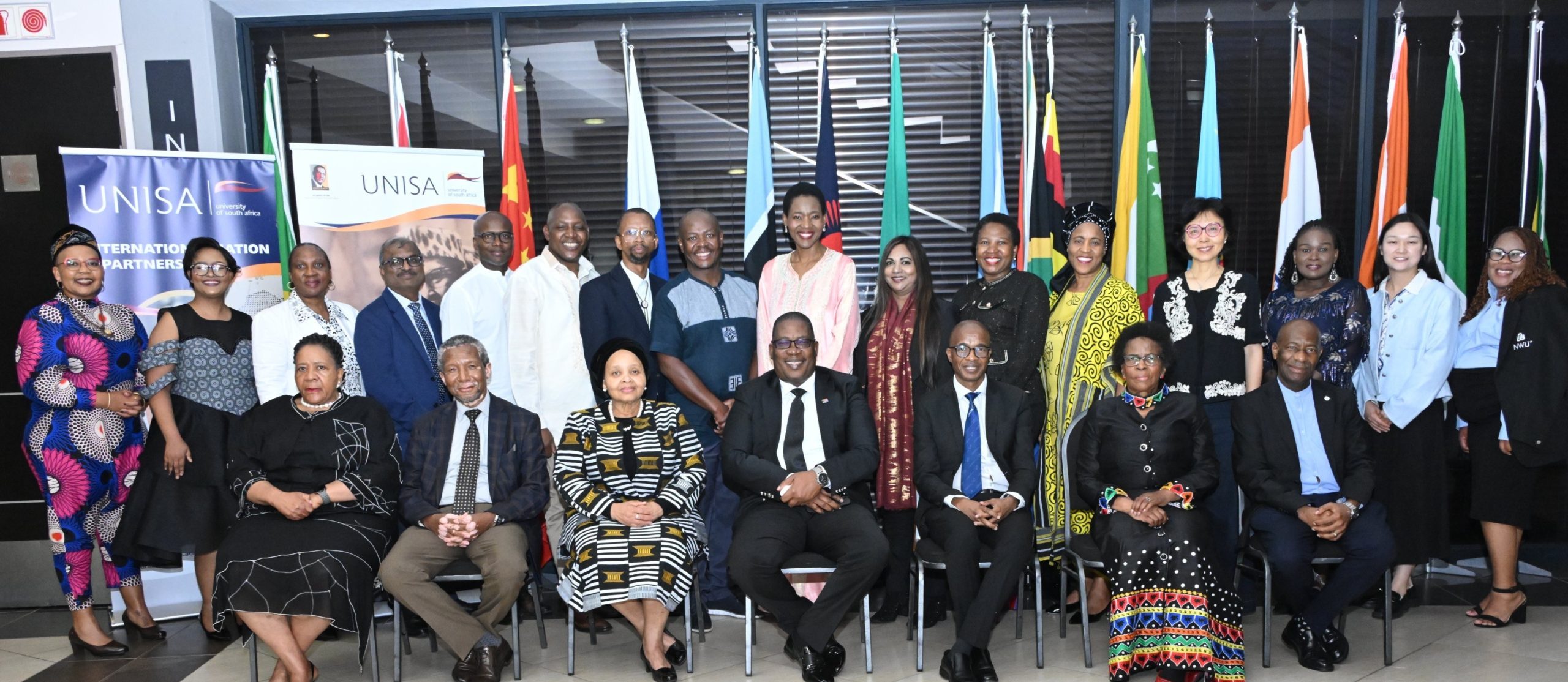
This year’s seventh Unisa Chief Albert Luthuli Founders Lecture bore the thought-provoking theme “Reclaiming African Languages: Identity, Knowledge, and Educational Transformation.”
Through this lecture, we found ourselves deeply reflecting on the enduring legacy of Chief Albert Luthuli, a pivotal figure in the struggle for equality and the affirmation of African identity in South Africa and beyond. Luthuli’s life poignantly illustrates that language transcends mere communication; it is a profound embodiment of our cultural heritage, historical narratives, and collective identity.
Luthuli’s unwavering commitment to non-violence and social justice underscores the fundamental value of peaceful resistance. His vision extended beyond political rights for Black South Africans; he envisaged a society in which African languages flourished alongside English and Afrikaans.
Those inspired by Luthuli’s ideals echo this sentiment powerfully, emphasising his belief that true liberation necessitates the reclamation of African cultures and languages, thereby allowing communities to define their narratives and assert their identities with pride.
Language, memory, and collective mourning
In engaging with this discourse, we turn to Gunner’s article, The Politics of Language and Chief Albert Luthuli’s Funeral, which insightfully examines how language has played an instrumental role in shaping the collective memory of Luthuli’s legacy.
Gunner highlights the multilingual rituals that characterised Luthuli’s funeral, honouring his remarkable life while simultaneously underscoring the rich diversity of South Africa’s cultural landscape. Here we are reminded of the relationship between language and identity, and how communal mourning emerges as a profound act of linguistic resistance.
The incorporation of various indigenous languages during the proceedings was not merely symbolic; it represented a deliberate reclamation of space, aligning with Luthuli’s vision of celebrating African identities in their full complexity.
Re-centering languages for unity and healing
As Luthuli’s vision embraced a broader understanding of national identity, it becomes increasingly evident that the critical intersection of language and identity underscores the urgent need for unity in addressing South Africa’s multifaceted challenges, many of which are rooted in the historical erasure of linguistic and cultural heritage during the colonial and apartheid periods. By acknowledging and re-centering indigenous languages, we may pave the way for healing and unity among our diverse communities.
Furthermore, the richness of our educational framework is intricately intertwined with the languages we employ. Today, our educational landscape demands immediate revisions to incorporate African languages into our curricula, a call echoed by numerous African scholars and academics.
Yet this transformation transcends academic restructuring; it is fundamentally about equipping students with the tools to connect with their heritage and communities, thereby empowering them to embrace their identities in a world often overshadowed by dominant global languages and cultures that inadvertently promote the alienation of African traditions.
Luthuli’s life stands as a guiding template for this critical endeavour. His advocacy for African self-determination opened pathways for exploring identity and appreciating the significance of indigenous knowledge systems. He recognised that embedding African languages within education could unlock a treasure trove of traditional wisdom and philosophies that have, for far too long, been overlooked.
A call to action from Ambassador Thenjiwe Mtsintso
In her keynote address at the lecture, Ambassador Thenjiwe Mtsintso reminded us that “Reclaiming African languages is not a cultural afterthought; it is a nation-building strategy. It strengthens identity, deepens learning, broadens participation, and multiplies pathways to excellence.”
She challenged academics and institutions of higher learning to walk the talk, to move beyond theorising and to reimagine the curriculum and be bold in their reclaiming and recentering of African languages in their teaching, research and facilitation of learning.
Honouring Luthuli in the Decade of Indigenous Languages
As we reflect on Chief Albert Luthuli’s profound legacy through the lenses of language and identity, we must remain committed to our pursuit of an educational system that reflects our cultural diversity. By reinstating African languages as integral to our educational practices, we foster a sense of belonging and pride in our heritage, steering us towards a just and equitable society. While numerous challenges continue to persist, the recent Luthuli Lecture should invigorate us to embrace Luthuli’s unwavering conviction in his cultural heritage.
We are currently in the midst of the UN International Decade of Indigenous Languages (2022-2032), which has given us a framework, a timeline, and global solidarity. The world has turned its attention to the re-centring and reclamation of indigenous languages.
We carry the responsibility to make and be part of history, or be judged by future generations on whether we grabbed the opportunity or watched it pass by. Taking this critical task on would also be a move towards honouring the legacy of Luthuli.
Get your news on the go. Click here to follow the Conviction WhatsApp channel.
