


- The Children’s Institute and Legal Resources Centre appear in the Western Cape High Court today over a birth registration backlog affecting more than 258 000 children and young adults.
- Applicants allege some late birth registration applications have remained undecided for more than six years.
- The case seeks orders compelling decisions on outstanding applications and requiring Home Affairs to implement a comprehensive plan to address the backlog.
The Children’s Institute and the Legal Resources Centre are appearing in the High Court in the Western Cape on 10 June 2026 alleging that Home Affairs has failed for years to decide applications for the late registration of births, leaving more than 258 000 children and young adults caught in a growing backlog.
According to the founding affidavit, the application arises from what the Children’s Institute describes as the state’s “immense and ongoing failure” to decide late registration of birth applications and the impact that those delays have on children and their families.
The case is directed against the Minister of Home Affairs, Director General of Home Affairs Livhuwani Tommy Makhode and several departmental officials. The applicants seek relief for individual families whose applications remain undecided as well as broader remedies aimed at addressing what they describe as a systemic problem.
Backlog leaves more than 258 000 children undocumented
The Children’s Institute alleges that the backlog has grown steadily since 2018 and has resulted in more than 258 000 children and young adults remaining without registered births.
According to the affidavit, former Home Affairs minister Dr Aaron Motsoaledi disclosed in Parliament that a substantial backlog had accumulated between 2018 and 2022. Using information provided by the department, the Children’s Institute calculated that 257 645 late registration of birth applications remained undecided by the end of 2022.
The applicants contend that this figure understates the true scale of the problem because it excludes applications lodged before 2018 and after 2022.
The affidavit further alleges that Home Affairs has failed to develop and implement a comprehensive plan to eliminate the backlog and prevent similar backlogs from arising in future.
According to the applicants, the department has also failed to adopt a coordinated and uniform approach to processing late registration applications across the country.
Families wait years for answers
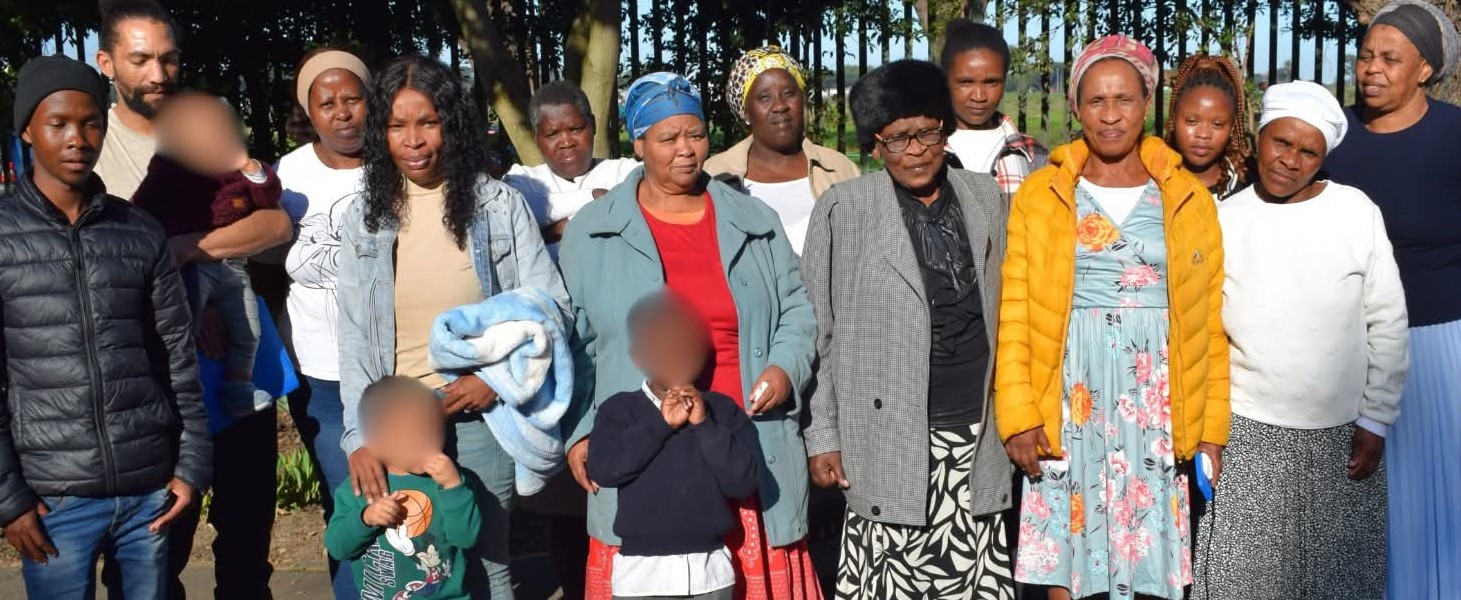
Central to the case are the experiences of individual applicants who say they have spent years waiting for decisions from Home Affairs. The affidavit alleges that some applicants have waited for more than six years without receiving decisions on their applications.
The Children’s Institute argues that these delays have serious consequences because birth registration is often necessary for obtaining the documentation required to access a range of services and opportunities.
The Legal Resources Centre says the families involved in the litigation have complied with the requirements of the late registration process but continue to wait for outcomes. According to the organisation, the case concerns children seeking official recognition and families seeking certainty after years of delay.
The applicants argue that while births should ideally be registered within 30 days, there are many legitimate reasons why some children are not registered during that period and must instead rely on the late registration process.
Applicants ask the court to end delays
The applicants seek orders compelling Home Affairs to make decisions on the outstanding applications of the individual applicants. They also seek broader relief requiring the department to address the backlog on a systemic level.
According to the affidavit, the applicants want the court to direct Home Affairs to devise and implement a comprehensive plan to deal with the accumulation of undecided late registration applications and prevent future backlogs.
The Children’s Institute contends that the department’s alleged failure to establish and implement such a plan is inconsistent with its constitutional obligations.
The Legal Resources Centre says the case seeks to ensure that Home Affairs’ late registration of birth services are reasonable, efficient and constitutional so that children are not left waiting indefinitely for decisions on their applications.
Home Affairs resists legal challenge
Home Affairs has opposed the application and filed an answering affidavit on behalf of the respondents. The answering affidavit was deposed to by Makhode, who says he is authorised to oppose the proceedings and defend the relief sought by the applicants.
The Helen Suzman Foundation has applied for leave to intervene as amicus curiae, or friend of the court. The foundation seeks permission to file written submissions and present oral argument if admitted by the court.
Get your news on the go. Click here to follow the Conviction WhatsApp channel.
