


- The High Court has set aside the department’s refusal to fund nine child protection NPOs, calling the decision vague, unfair and irrational.
- The MEC for Social Development must sign service level agreements and issue statutory designation certificates within 10 days.
- The judge says children’s rights to care and protection cannot be limited by unexplained claims of budget shortages.
The High Court in the North West has ordered the provincial government to urgently restore funding to nine child protection organisations after ruling that the North West Department of Social Development unlawfully cut their subsidies and failed to show how vulnerable children would be protected without them.
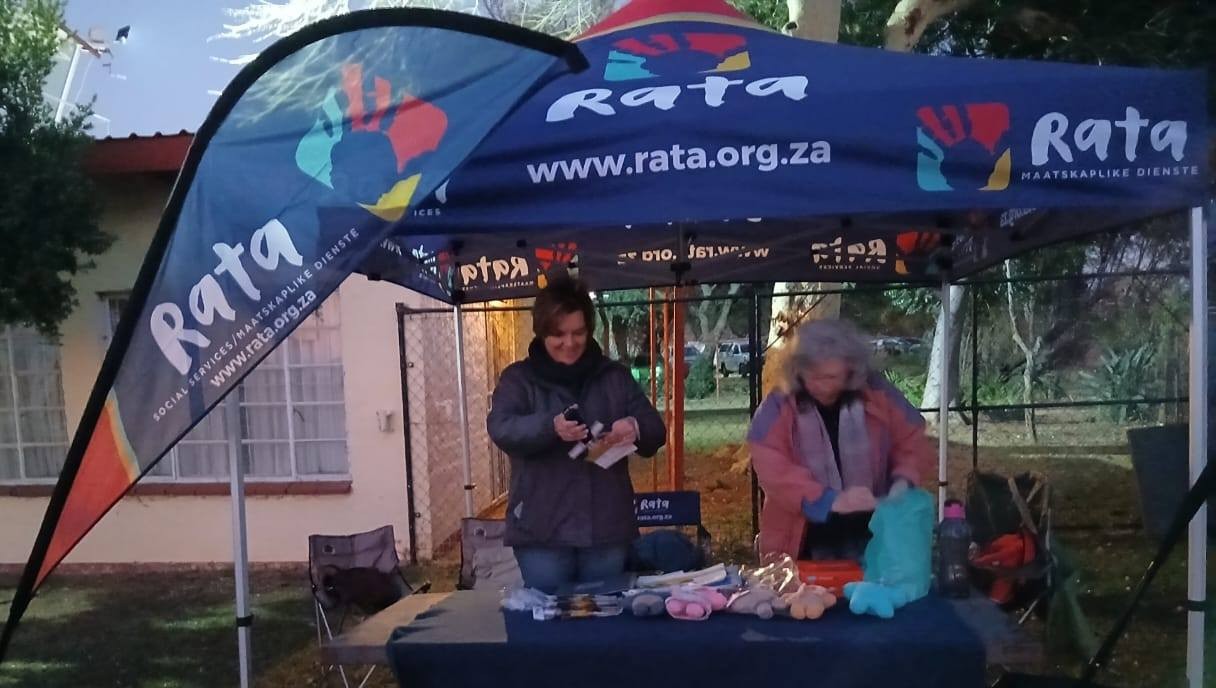
The applicants were RATA Social Services NPC together with SAVF Rustenburg, SAVF North West, SAVF Potchefstroom, SAVF Zeerust, SAVF Klerksdorp, SAVF Lichtenburg, Child and Family Welfare Potchefstroom and Childline North West Province. They brought the case against the MEC for Social Development in the province after their funding for the 2025 to 2026 financial year was declined.
Judge S Mfenyana found that the department’s decision was procedurally unfair, poorly explained and disconnected from the constitutional reality facing children who depend on those services for daily survival.
From the outset, the court made it clear that this was not a routine budget dispute between government and service providers. It was a case about whether children already facing abuse, abandonment and hunger would suddenly lose the only institutions standing between them and the streets.
Children left exposed by funding cuts
For years, the organisations had delivered statutory child protection work under service level agreements with the department. Their social workers removed children from dangerous homes, arranged foster placements, handled court referrals, and provided food, clothing and counselling to families in crisis.
When their latest applications were rejected, the department cited “unavailability of funds” and alleged “non-compliance with funding legislative prescripts”. But the court found those reasons deeply inadequate.
“The respondent states that there are no funds available and that some applicants may not have fulfilled the requirements. However, the respondent does not clarify what these requirements are, how they were not met, or which specific applicants were affected,” Judge Mfenyana wrote.
Without subsidies, the organisations told the court, they could not pay staff or keep their offices open. Case files stalled. Children could not be placed. Some had no birth certificates. Others lost access to food and basic necessities.
The judge stressed that the impact was human and immediate. “These cases are not presented in the abstract. They represent children and families.”
Urgency rooted in constitutional protection
The department argued that the matter was not urgent and that it could simply take over the work itself. The court rejected that argument outright.
“As long as there is a reasonable fear of harm as described by the applicants, the court must intervene to address the situation. There can be no substantial redress to the beneficiaries if the matter is heard in the ordinary course,” the judgment reads.
Judge Mfenyana accepted that the case directly engaged children’s rights under the Constitution and the Children's Act 38 of 2005. Those rights, the court said, are not optional or dependent on whether money happens to be available. The State has a positive duty to plan and budget properly.
Quoting earlier authority, the court emphasised that even where funding is tight, the real question is “whether proper planning and budgeting processes were followed in an attempt by the State to comply with its constitutional obligations.”
Department’s explanation “no account at all”
A central theme in the ruling was the department’s lack of detail and accountability. Judge Mfenyana described the defence as superficial and unhelpful.
“The respondent’s explanation for its decision leaves a lot to be desired. It offers a vague and generalised explanation,” he said. In one of the strongest passages, the court added: “Ironically, the respondent’s account is no account at all, as it provides no specificity and no clarity to the court.”
The department insisted it was constitutionally mandated to provide social services itself, yet produced no concrete plan showing how it would replace nine established organisations overnight.
That gap, the judge warned, risked serious harm to children already in danger.
Court substitutes decision to avoid collapse
Normally, courts send flawed administrative decisions back to the department for reconsideration. Here, Judge Mfenyana said that would only create delay and deepen the crisis.
“It cannot be gainsaid in the circumstances of the present case that any delay would cause untold prejudice to the beneficiaries,” he wrote.
Instead, the court took the unusual step of substituting the decision. It reviewed and set aside the funding refusal, ordered the MEC to conclude service level agreements with the applicants within 10 days, and directed the department to issue child protection designation certificates within the same timeframe. Costs, including senior counsel, were awarded against the State.
“In the absence of fairness, any decision that fails to adhere to constitutional and legislative standards is deemed irrational and should be set aside,” the judgment further read.
Get your news on the go. Click here to follow the Conviction WhatsApp channel.
