


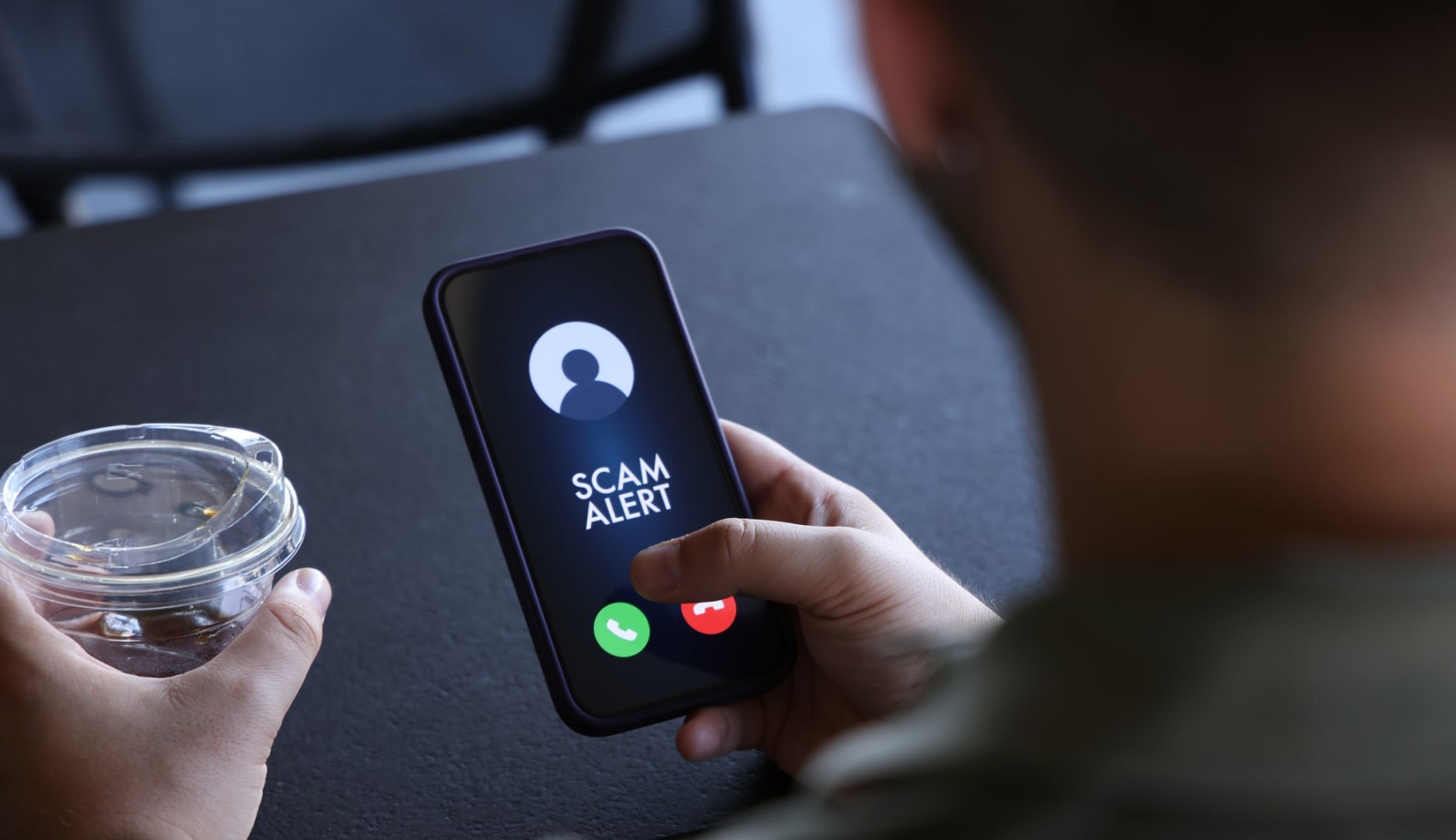
- Formal fraud matters closed by the National Financial Ombud Scheme rose by 27.5% between January and September 2026 compared to the same period in 2025.
- Criminals are reportedly using fake promotions and rewards programmes to trick people into completing facial verification, which could give fraudsters access to their banking profiles.
- Consumers are warned not to scan their faces on strangers’ devices, share security information, or approve banking requests they did not initiate.
South Africans gearing up for Black Friday deals on 27 November are being cautioned that fraudsters could use facial recognition data to get into their digital banking profiles.
The National Financial Ombud Scheme (NFO) has highlighted a new scam where criminals trick people into completing facial recognition or selfie verification under the guise of signing up for shopping vouchers, loyalty schemes, free airtime, or other rewards.
What seems like a simple registration for a promotion could actually be an attempt to authorise a banking transaction or link a new device to the victim’s digital banking profile. The warning comes amid a continued rise in banking fraud complaints.
NFO stats show that formal fraud matters closed between January and September 2026 went up by about 27.5%, from 2,389 in 2025 to 3,045 this year.
How fraudsters are using facial recognition
According to the NFO, scammers may approach people in shopping centres and other public places, pretending to represent reputable businesses. They entice consumers with attractive offers and ask for personal details before getting them to scan their faces or take a selfie as part of the supposed sign-up process.
This biometric verification could then be used to register or link a different device to the person’s digital banking profile. If it works, criminals can access the victim’s banking profile from a device they control.
Nerosha Maseti, Lead Ombud of the Banking and Credit Division at the NFO, says people need to realise that biometric information is just as valuable to criminals as passwords and PINs. “We take selfies every day, so being asked to scan your face may feel harmless. But your face can also be used as an authentication tool. Consumers should treat their biometric information with the same caution as other security information.
“If someone asks you to scan your face, particularly using a device that is not yours, stop and understand exactly what you are being asked to do,” Maseti said. The NFO advises against handing an unlocked phone to a stranger or approving banking notifications or authentication requests you don’t understand. Never approve an authentication request you did not initiate.
Black Friday creates opportunities for fraudsters
Maseti pointed out that the increase in online shopping and aggressive Black Friday promotions gives criminals more chances to target consumers. Limited-time deals, countdowns, and promises of big discounts can pressure shoppers into acting before checking if an offer is real. Fraudsters use this urgency to get people to click on suspicious links, share personal information, make payments, or approve requests on their phones.
“Fraudsters want consumers to act quickly and emotionally. Black Friday naturally creates that sense of urgency, which can make a fraudulent offer seem more believable. Before clicking a link, making a payment, sharing information or approving something on your phone, pause and verify it independently. If it has to be now, then it has to be no,” Maseti said.
The NFO has also listed several scams consumers should be aware of during the shopping period. Criminals set up websites and ads that mimic real retailers, often promoting popular products at prices that seem too good to be true. Consumers should avoid using links from unsolicited SMSs, emails, or social media posts. Instead, find the retailer’s official website independently and check if the offer is legitimate.
Fraudsters may send emails or SMSs claiming there’s a problem with your bank account, a purchase, payment, or delivery. These messages usually contain links and demand immediate action. The links may lead to fake websites designed to steal banking credentials, card details, and personal information.
Criminals may call, pretending to be from a bank, retailer, or credit provider. They might claim a suspicious transaction needs urgent action, then ask for an OTP, banking password, PIN, or other confidential info.
In some cases, victims are told to transfer money to another account for “safekeeping.” The NFO advises people to end suspicious calls and contact their financial institutions directly using verified contact details.
Discounted goods, flights, accommodation, and other tempting offers on social media can also be used to lure shoppers. Always verify the business and the offer independently before sharing personal details or making payment. The NFO warns that deals that seem too good to be true should be treated with suspicion.
Consumers urged to protect their digital identities
The NFO says passwords and PINs are not the only information criminals need to get into your accounts. Personal information, passwords, PINs, OTPs, banking approvals, mobile devices, and biometric data can all be used to compromise digital banking profiles.
If you think your banking information has been compromised, contact your bank immediately through official fraud reporting channels. Keep any evidence, like SMSs, emails, screenshots, and transaction details, to help with investigations. If you’ve reported a complaint to your bank but aren’t satisfied with the outcome, you can approach the NFO for help.
“Black Friday shoppers should remember that fraudsters rely on excitement, urgency, fear, and trust to get people to act without thinking. Your most effective defence is often simply to stop and ask what you are being asked to do.
“Whether it is an unbelievable bargain, a phone call supposedly from your bank, or someone asking you to scan your face to receive a reward, pause and verify. Protect your money, protect your phone and, increasingly, protect your face,” Maseti said.
Get your news on the go. Click here to follow the Conviction WhatsApp channel.
