


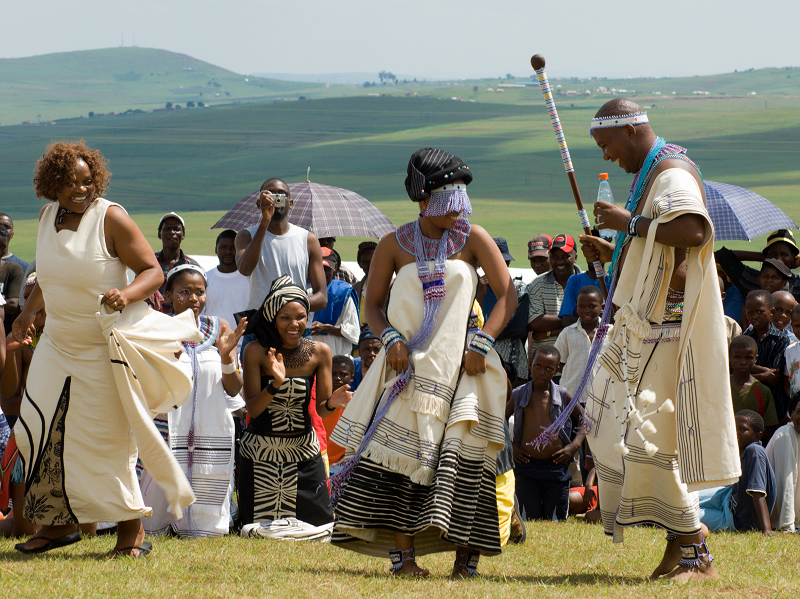
- Couples in unregistered customary marriages have until 31 August 2026 to register their unions with the Department of Home Affairs.
- Registration provides legal certainty and strengthens protection for property, inheritance and maintenance rights.
- Women and surviving spouses remain among those most vulnerable when customary marriages are not officially registered.
If you are in a customary marriage that has not yet been registered, you are encouraged to complete the process before the 31 August 2026 deadline. Registering your marriage ensures your union is legally recognised and helps you avoid future legal disputes.
The campaign to register marriages applies to unions under African customary law, whether they were entered into before or after the Recognition of Customary Marriages Act came into effect. The goal is to make sure customary marriages are officially recorded, giving spouses all the legal protections under South African law.
The Minister of Home Affairs has announced that all unregistered customary marriages must be registered by 31 August 2026. This deadline is part of the government’s effort to improve the registration of customary marriages, provide legal certainty and make sure spouses receive full protection under the law.
Registration protects important legal rights
Many couples meet cultural requirements like lobola negotiations and traditional marriage ceremonies, but legal experts stress that registration is essential to protect spouses in case of disputes about property, inheritance, maintenance or deceased estates.
For many families, the risks only become clear when a spouse passes away, a relationship ends, or there is a disagreement about who owns what. Without registration, surviving spouses can face long legal battles just to prove the marriage exists and claim their rights.
Registration also allows couples to get an official marriage certificate, which is often needed for dealing with government offices, pension funds, banks and managing estates.
The Department of Home Affairs encourages couples to visit their nearest office to register. In areas where Home Affairs offices are not easily accessible, recognised traditional leaders can help with registration.
What couples need to register
Both spouses usually need to go in person to register. You may need to provide identity documents, details about the marriage, witnesses from both families and any proof of the marriage process you have.
There are still common misunderstandings about lobola. While lobola is an important and respected tradition, legal experts point out that it does not count as legal proof of marriage on its own. Only registration creates an official record that you can rely on if you ever need to enforce your rights.
Women remain particularly vulnerable
This issue is especially important for women, who may struggle to claim property, inheritance or maintenance if the marriage is ever disputed. Formal registration reduces uncertainty by creating an official record.
Property arrangements are another important consideration. Unless couples have chosen another legal system, customary marriages are usually seen as being in community of property. This means both partners share assets and debts. If you want a different arrangement, it is best to get legal advice.
If your situation is more complex, such as multiple customary marriages, questions about consent or disagreements about the process, legal experts recommend seeking professional advice before you register.
Deadline approaching
This registration drive is part of the government’s plan to give customary marriages the same legal certainty and protection as other recognised marriages. Couples are encouraged to register as soon as possible, rather than waiting until just before the deadline on 31 August 2026.
Get your news on the go. Click here to follow the Conviction WhatsApp channel.
