


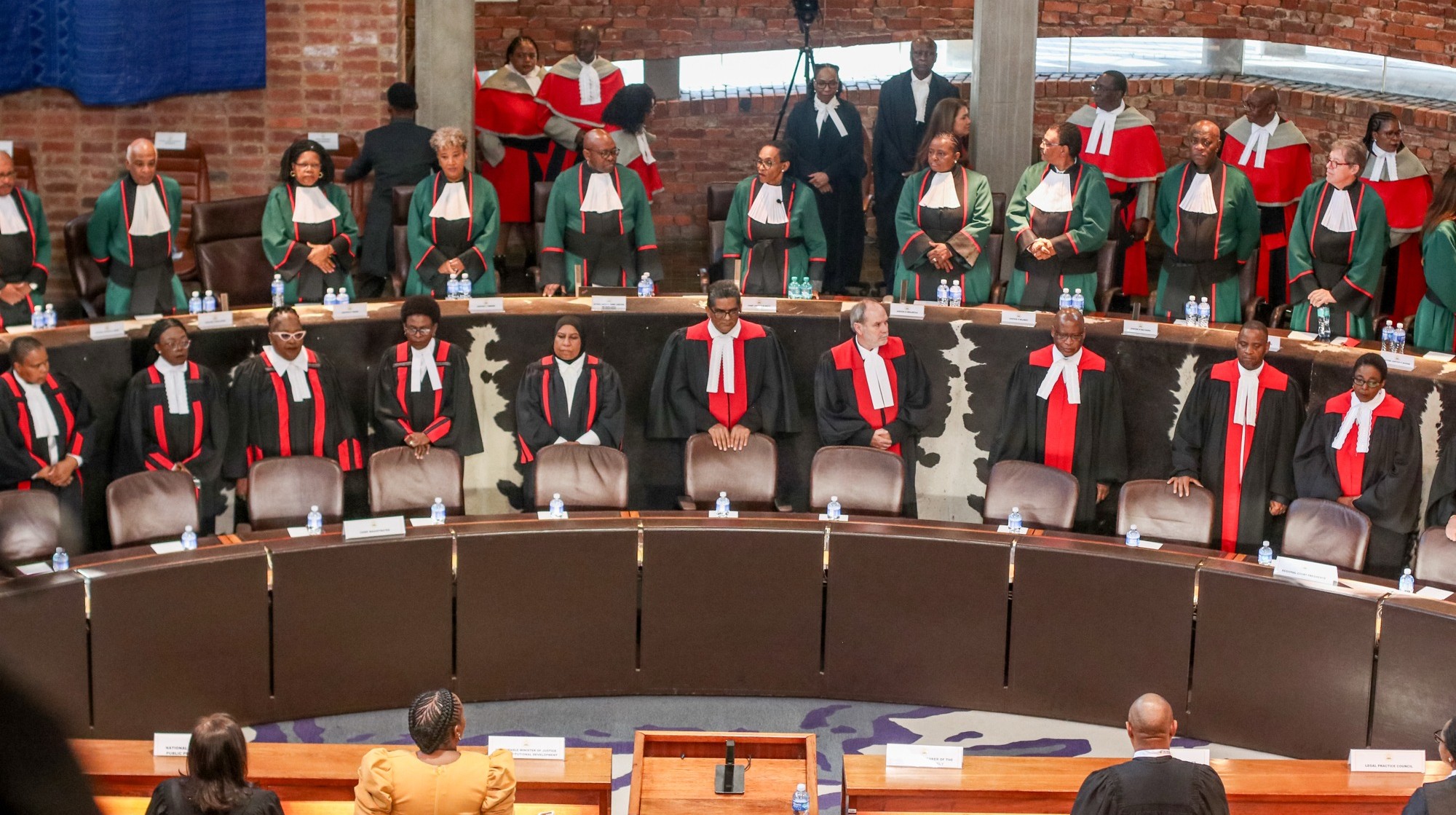
- Constitutional Court confirms Western Cape High Court’s declaration that Section 10(1) is unconstitutional for forcing automatic detention.
- The court suspends the declaration for 24 months, giving Parliament time to enact remedial legislation.
- Magistrates may temporarily grant or extend bail pending the Minister’s decision or review proceedings.
The Constitutional Court has ruled that South African law may not compel the automatic detention of a person facing extradition. It declared Section 10(1) of the Extradition Act 67 of 1962 unconstitutional to the extent that it makes imprisonment unavoidable once a committal order is issued.
The judgment arose in Wares v Additional Magistrate, Simonstown and Others, involving 84-year-old Ian George Dallas Wares, who faced extradition to the United Kingdom on charges of sexual offences.
Acting Justice Phatshoane Dambuza, writing for a unanimous court, emphasised, “The mandatory committal under Section 10 of the Act, pending the Minister’s decision, without an individualised assessment of whether the deprivation of liberty is justified, undermines both the procedural facet of the right to freedom under section 12(1)(a) and the right protected under Section 35(1)(f).”
Extradition request for elderly Simonstown resident
Wares, a long-time resident of Simonstown, was arrested on 22 May 2019 after the United Kingdom requested his extradition. The Simonstown Magistrate initially granted him bail during preparatory proceedings under Section 9(2) of the Act.
However, following a committal order issued in July 2019, the law required his detention until the Minister of Justice and Correctional Services made a final decision under Section 11. No judicial discretion existed to review the necessity of detention at that stage, leaving Wares confined regardless of age, health, or personal circumstances.
The Western Cape High Court found that while extradition obligations are important, the Act’s automatic detention provision violated the constitutional right to freedom and procedural fairness. The High Court suspended the declaration of invalidity for 24 months to allow Parliament to amend the legislation and introduced temporary bail provisions pending the law’s amendment.
Bail relief guaranteed for extradition detainees
The Constitutional Court upheld the High Court’s decision, clarifying that magistrates may grant or extend bail pending the Minister’s decision or review proceedings.
“The Magistrate issuing the committal order may, on application by such person, grant bail or extend the bail of such person, if the interests of justice permit the person’s release or continued release on bail, pending the Minister’s decision… or pending any legal proceedings instituted to review the decision of the Magistrate or the Minister,” the judgment read.
Justice Dambuza noted that without this temporary remedy, individuals could face indefinite detention merely because a committal order was issued, which would “amount to an unjustifiable infringement of the right to freedom of the person and the procedural protections that the Constitution guarantees.”
Parliament given a deadline for legal reform
The Constitutional Court suspended the declaration of invalidity for 24 months to give Parliament sufficient time to amend the Act. This suspension balances South Africa’s international extradition obligations with constitutional safeguards.
“The suspension of the order allows the legislature to devise a system that respects procedural rights while ensuring that serious crimes are effectively prosecuted in cooperation with foreign jurisdictions,” Justice Dambuza stressed.
While Section 10(1) of the Extradition Act 67 of 1962 can no longer compel unavoidable detention once a committal order is issued, the court made it clear that Wares is not automatically free. Instead, it has effectively read a temporary provision into the law, allowing the Magistrate to consider bail applications pending the Minister’s decision under Section 11 or any review proceedings.
The Constitutional Court ordered the Minister of Justice and the Director of Public Prosecutions, Western Cape, jointly and severally, to pay Wares’ costs in the Court, including the costs of two counsel.
“Extradition serves important purposes, including reciprocity and the prevention of safe havens for criminals,” Justice Dambuza wrote. “However, procedural fairness cannot be sacrificed at the altar of efficiency.”
Get your news on the go. Click here to follow the Conviction WhatsApp channel.
