


Does a Member of Parliament leave their ethical obligations behind when engaging in activities outside parliamentary work? The High Court of South Africa’s Western Cape Division has now provided clarity on this issue.
Judge CM Fortuin, Judge LG Nuku and Acting Judge PS van Zyl ruled on the extent to which MPs remain accountable under the Code of Ethical Conduct and Disclosure of Members’ Interests when serving in roles outside of Parliament.
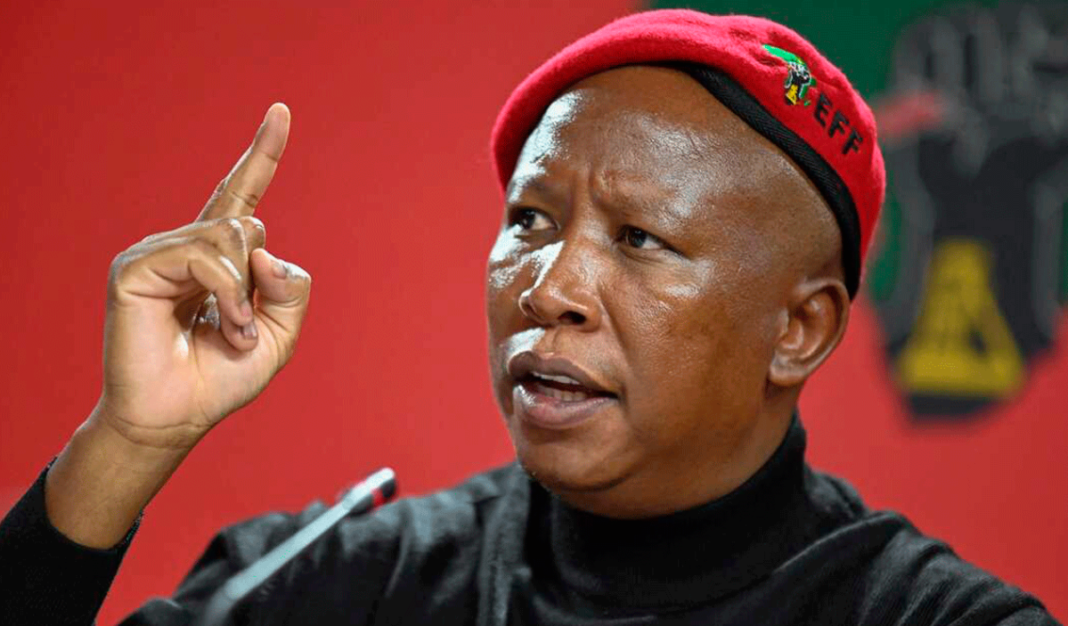
This case, involving Julius Sello Malema, leader of the Economic Freedom Fighters (EFF), put parliamentary ethics, accountability, and judicial independence into sharp focus. At its core, the ruling examines whether MPs designated to external bodies like the Judicial Services Commission (JSC) can be disciplined for conduct beyond their primary duties in the National Assembly.
The Council for the Advancement of the South African Constitution (CASAC) brought forward the complaint, alleging that Malema’s questioning of Justice Elias Matojane during a JSC meeting violated ethical guidelines. Specifically, Malema raised issues related to a 2019 defamation ruling, which ordered the EFF to pay R500,000 in damages to Trevor Manuel, a case in which Malema’s party held a vested political interest.
Background of the case and legal controversy
Malema’s conduct sparked wider constitutional debates on the extent of parliamentary oversight, with the matter advancing to the Ethics Committee of Parliament. The committee found Malema had breached the Code, concluding that his line of questioning risked undermining judicial integrity and placing personal interests above the broader public good.
This ruling led to Parliament issuing disciplinary action, mandating Malema to publicly apologise to both Justice Matojane and the JSC. Malema legally contested this decision, arguing that MPs serving on the JSC should not be subjected to the Code of Ethics, as their functions in external commissions differ from their parliamentary responsibilities.
Malema’s legal team based their argument on two main points. First, they claimed that the separation of roles meant JSC commissioners function independently and should not be held to parliamentary ethical standards while conducting JSC duties. Second, they argued that subjecting MPs to ethical scrutiny while engaging in Judicial Commission proceedings would restrict their ability to question matters freely, particularly in cases involving government oversight.
Court’s findings and broader implications
After a thorough review, the High Court dismissed Malema’s challenge, ruling that ethical obligations always apply to MPs, including in external roles such as the JSC. The judgment reinforced that the Code of Ethics remains binding on all MPs regardless of the setting in which they operate.
It emphasised that Parliament retains full authority to hold MPs accountable for conduct even beyond the National Assembly. The judges further stressed that public trust and judicial integrity must be safeguarded to ensure that political influence does not compromise fairness in judicial processes. They also found that Malema’s questioning of a judge over an EFF-related case was reckless, raising concerns about improper influence in legal matters.
The court emphasised that designated MPs do not shed their ethical duties, and that accountability extends beyond parliamentary chambers and established a precedent for ensuring that MPs serving in judicial commissions uphold public confidence and avoid conflicts of interest in politically sensitive matters.
#Conviction
Get your news on the go. Click here to follow the Conviction WhatsApp channel
