


- David Jimmy Pilusa lost his Labour Court bid to overturn a decision that prevented his unfair dismissal case from being reopened.
- The court found that he authorised a driver’s licence for a candidate who knocked down a pole during her practical test.
- Judge Cithi held that both the seriousness of the misconduct and Pilusa’s 112-day delay in taking action counted against him.
A municipal driving test examiner who approved a licence for a candidate after she struck a pole during her practical test has lost his Labour Court challenge against dismissal. The court found that he failed in his duty to protect all road users.
David Jimmy Pilusa, an examiner and testing officer for Ba Phalaborwa Municipality, was dismissed after authorising a Code C1 driver’s licence for Ms TD Chauke, even though she collided with a pole during her driving assessment.
His later attempt to revive his unfair dismissal dispute also failed, as he submitted a rescission application 112 days late and could not provide a satisfactory explanation for the delay.
Judge D Cithi ruled, “By issuing a driver’s licence to a candidate who was not fit to drive on national roads, the Applicant committed a serious breach of his duty to act as a gatekeeper for road safety.”
The parties and what happened
Pilusa held a position of public trust. As a municipal examiner, he was legally required to test driver applicants according to strict standards and to ensure that only competent motorists were licensed to use public roads. The court stressed that his role was central to road safety, as he acted as a checkpoint between unsafe drivers and the public.
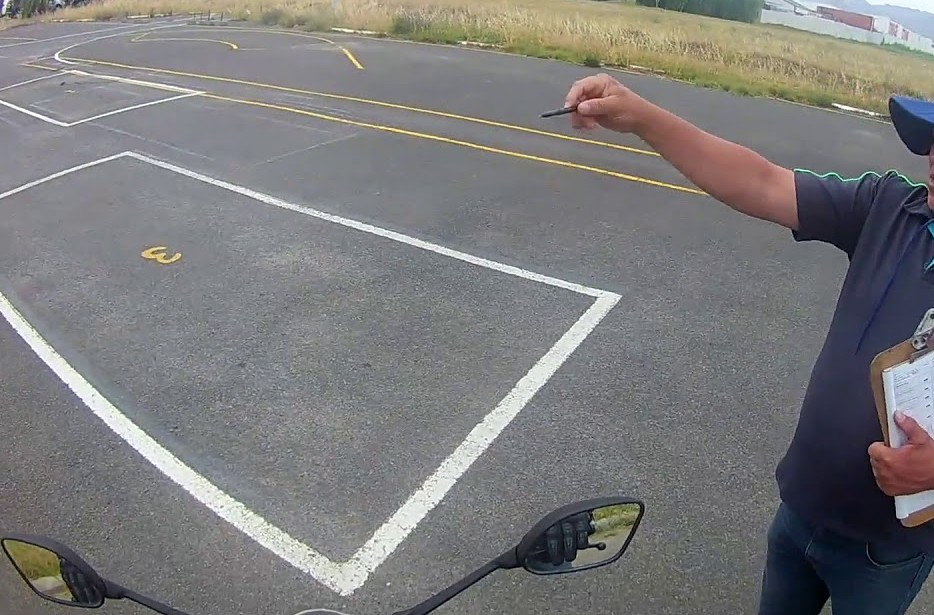
That responsibility came under scrutiny after the July 2019 test involving Chauke. During the practical examination, Chauke knocked down a pole. Despite this obvious mistake, Pilusa still approved her licence.
Pilusa was charged with dereliction of duties. Although he initially agreed to a plea deal that would have resulted in a final written warning, a 10-day unpaid suspension, and a transfer to another position, the disciplinary officer rejected the agreement. The process continued, Pilusa pleaded guilty, and he was dismissed.
Judge Cithi said that the seriousness of what happened could not be downplayed by how the charge was described. “The seriousness of the misconduct is not determined by the label attached to it, but by its impact on the employment relationship,” he explained.
The failed attempt to revive his case
After losing an internal appeal, Pilusa referred his unfair dismissal dispute to the South African Government Bargaining Council in Limpopo. Arbitration was set for 19 and 20 November 2020, but neither Pilusa nor his representative attended. As a result, his case was dismissed.
Pilusa later tried to have that dismissal ruling rescinded, but he filed his rescission application about 112 days late. Before the merits could even be considered, he needed the delay condoned, but the commissioner rejected his application. Pilusa then took the matter on review to the Labour Court.
The court found that much of the delay was simply left unexplained. Even after learning that no rescission application had been filed on his behalf, Pilusa still did not act with urgency.
Judge Cithi found, “Since he knew about the need for this application from 21 December 2020, the Applicant should have acted more urgently.”
The court further held, “It’s well established that anyone seeking condonation must explain the entire period of delay. The commissioner’s finding that the explanation was unreasonable is both rational and supported by the evidence.”
Why the court refused to interfere
Pilusa argued that his absence from arbitration was not deliberate and that he had a chance of succeeding in his unfair dismissal claim. He also said that dismissal was too harsh because he pleaded guilty to dereliction of duties, not gross dereliction.
The Labour Court was not persuaded. Judge Cithi found that what mattered was the conduct of licensing a driver who had clearly failed a practical test and the risk that posed to the public.
The court also found that the commissioner properly exercised discretion in refusing condonation, carefully weighing the lengthy delay, poor explanation, and Pilusa’s weak prospects of success.
Judge Cithi concluded, “This outcome is not only supported by the evidence but also shows a rational and reasonable approach to the decision.”
Pilusa’s review application was dismissed, and the court made no order as to costs.
Get your news on the go. Click here to follow the Conviction WhatsApp channel.
