

Skip to content
Close Menu
ConvictionConviction
  • Home
  • Law & Justice
  • Special Reports
  • Opinion
  • Ask The Expert
  • Get In Touch

Subscribe to Updates

Get the latest creative news from FooBar about art, design and business.

What's Hot

Can an employer withhold an adjudication award over reversal and repayment concerns?

October 1, 2026

Attorneys’ repeated failures leave appellant stranded in bid to overturn 15-year sentence

October 1, 2026

Joburg ordered to comply with security measures at six emergency accommodations

October 1, 2026
Facebook X (Twitter) Instagram
Trending
  • Can an employer withhold an adjudication award over reversal and repayment concerns?
  • Attorneys’ repeated failures leave appellant stranded in bid to overturn 15-year sentence
  • Joburg ordered to comply with security measures at six emergency accommodations
  • Police ordered to pay R4.2m to businessman over unlawful arrest and business losses
  • Rhodes University secures interim interdict stopping student protest action
  • Restaurant owner’s forceful push of 65-year-old patron cannot be dismissed as trivial, judge rules
  • Water department ordered to give farmers invoices for disputed debts within 60 days
  • Member seeks to use pension savings to finish family home, but fund refuses loan
Facebook X (Twitter) Instagram
ConvictionConviction
Sonneblom
  • Home
  • Law & Justice
  • Special Reports
  • Opinion
  • Ask The Expert
  • Get In Touch
ConvictionConviction
Home » Pace appeal
Criminal Law

Attorneys’ repeated failures leave appellant stranded in bid to overturn 15-year sentence

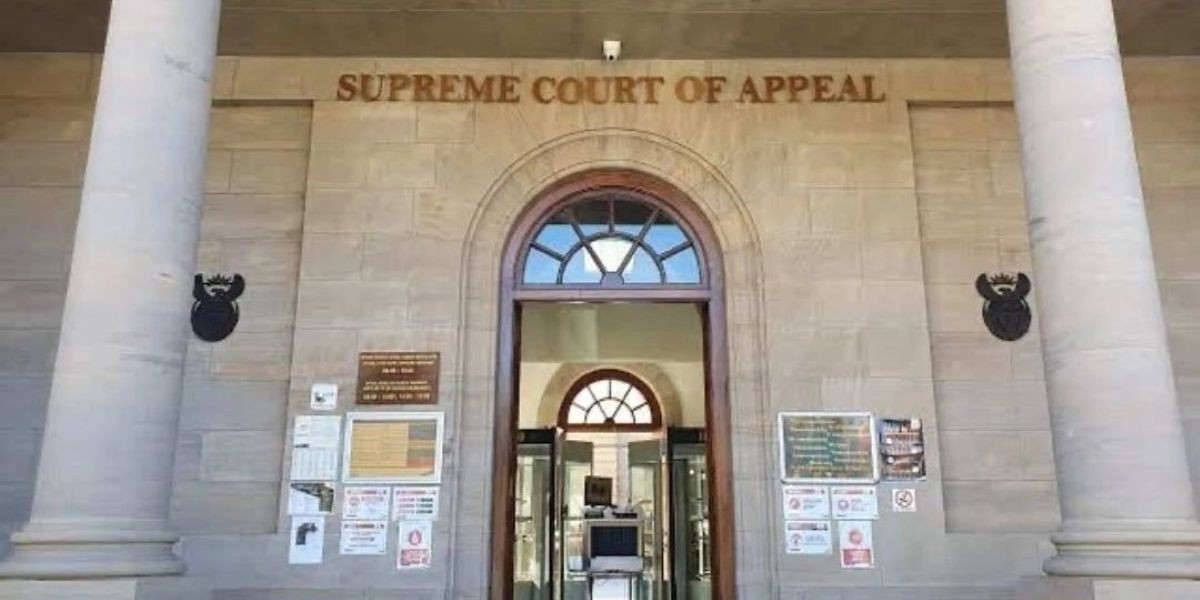
Repeated missed deadlines and a failure to seek reinstatement left Warren Carl Pace’s appeal lapsed, with the SCA rejecting the explanation for the delays.
Kennedy MudzuliBy Kennedy MudzuliOctober 1, 2026No Comments
Facebook Twitter Pinterest LinkedIn WhatsApp Reddit Tumblr Email
Share
Facebook Twitter LinkedIn Pinterest Email
  • Pace’s attorneys repeatedly missed deadlines that governed his appeal against his convictions and sentence.
  • The SCA found the explanation for the delays inadequate and criticised the standard of legal representation in the matter.
  • The court said the failures wasted judicial resources and affected other litigants whose appeals were ready to be heard.

The prosecution of Warren Carl Pace’s appeal was repeatedly disrupted by failures from the legal practitioners handling his case. The Supreme Court of Appeal has now found that important procedural steps were either taken late or not taken at all.

Pace was prosecuted in the Wynberg Regional Court on several charges involving children, including sexual grooming, exposing children to pornography, rape, sexual assault and child abuse. He was convicted on certain counts and sentenced to a cumulative 15 years’ imprisonment.

The High Court in the Western Cape later granted him leave to appeal. It released him on bail while he waited for his appeal. The court subsequently acquitted him on three counts but kept the total sentence at 15 years’ imprisonment, declared him unfit to possess a firearm and ordered that his name be entered on the National Register for Sex Offenders.

Deadlines repeatedly missed

The SCA granted Pace special leave to appeal on 29 November 2023. His notice of appeal was due by 28 January 2024 but was only filed on 20 March 2024, along with an application for condonation.

The problems continued when the appeal record, due on 20 June 2024, was filed on 19 July 2024 without an application for condonation. His heads of argument were due on 30 August 2024 but were only filed on 1 December 2025. By then, the appeal had lapsed.

Although Pace’s attorneys knew this, they did not bring the required application to reinstate the appeal. The SCA therefore dealt only with the application for condonation for the late noting of the appeal.

Court rejects explanation

The explanation for the initial delay came from Charmaine Dippenaar, a senior paralegal at William Booth Attorneys. She said the firm had been told in December 2023 that Pace had been granted special leave to appeal and that an attorney, Rejean Maralack, was tasked with preparing the notice.

According to Dippenaar, the notice was not prepared before the firm’s December shutdown, despite repeated assurances from Maralack. She said Maralack was later medically booked off and resigned from the firm with immediate effect. Another staff member was then appointed to prepare and finalise the notice.

The SCA found the explanation inadequate because important details were missing and the allegations were not supported by confirmatory affidavits. There were no affidavits from Maralack or Booth, and Dippenaar did not explain why supporting evidence could not be obtained.

Judge O Mooki said there was simply no credible explanation for why the condonation application had taken so long to file. “It is plain from this timeline that the appellant’s attorneys adopted a lackadaisical approach to his appeal,” Judge Mooki said.

Court warns of wider consequences

The SCA also found that Pace had not properly established his prospects of success. The application merely stated that he had reasonable prospects without pointing to anything specific in the record to show why the appeal should succeed.

The court said it was not its responsibility to search through the record to find arguments that had not been properly presented by the applicant. The SCA also criticised the State for not complying with its own procedural obligations. Its heads of argument were dated 9 October 2024 but did not bear the Registrar’s stamp, and no explanation was given for the failure.

The court said the procedural failures had consequences beyond the parties because judges had been allocated to the appeal and had prepared for the hearing. “The appeal was not heard on the merits because of the failure by practitioners to perform their duties, both to the Court and to their respective clients,” Judge Mooki said.

The court said this wasted judicial resources and affected other litigants whose appeals were ready to be heard.

SCA refuses condonation

The court stressed that legal practitioners have a duty to their clients and to the court, especially in matters that affect a person’s liberty. “Practitioners have a duty to do right by their clients, more so in matters affecting the liberty of a person,” Judge Mooki said.

The SCA found that the conduct of the practitioners fell below the required standard and that it would not be in the interests of justice to grant condonation.

Condonation was refused, and Pace’s appeal was struck from the roll. The court ordered, however, that Pace would not be liable for the costs of the condonation application and his appearance on 17 August 2026.

With the appeal not heard on its merits, the 15-year sentence imposed by the High Court remains in place.

Conviction.co.za

Get your news on the go. Click here to follow the Conviction WhatsApp channel.

Condonation Criminal appeal legal practitioners Pace appeal Supreme Court of Appeal
Share. Facebook Twitter Pinterest LinkedIn Tumblr Telegram Email
Kennedy Mudzuli

Multiple award-winner with passion for news and training young journalists. Founder and editor of Conviction.co.za

Related Posts

Restaurant owner’s forceful push of 65-year-old patron cannot be dismissed as trivial, judge rules

October 1, 2026

Magistrate convicted man in a drunk-driving case without ever asking for his plea

September 29, 2026

Companies cannot lawfully conclude private security contracts without PSIRA registration

September 28, 2026
Leave A Reply Cancel Reply

Prove your humanity: 3   +   8   =  

Subscribe to our newsletter:
Top Posts

Your driving licence at the gate: What estates can actually legally scan

Sponsor: My Estate LifeSeptember 6, 2026

Making sectional title rules that work: A practical guide

January 17, 2025

Protection order among the consequences of trespassing in an ‘Exclusive Use Area’

December 31, 2024

Between a rock and a foul-smelling place

November 27, 2024
Don't Miss
Opinion
9 Mins Read

Can an employer withhold an adjudication award over reversal and repayment concerns?

By Richard HoalOctober 1, 20269 Mins Read

A judgment reinforces the “pay now, argue later” principle and examines whether repayment concerns justify withholding a binding adjudication award.

Attorneys’ repeated failures leave appellant stranded in bid to overturn 15-year sentence

October 1, 2026

Joburg ordered to comply with security measures at six emergency accommodations

October 1, 2026

Police ordered to pay R4.2m to businessman over unlawful arrest and business losses

October 1, 2026
Stay In Touch
  • Facebook
  • Twitter
  • WhatsApp
Demo
About Us
About Us

Helping South Africans to navigate the legal landscape; providing accessible legal information; and giving a voice to those seeking justice.

Facebook X (Twitter) YouTube WhatsApp Twitch RSS
Latest posts

Your driving licence at the gate: What estates can actually legally scan

Sponsor: My Estate LifeSeptember 6, 2026

Making sectional title rules that work: A practical guide

January 17, 2025

Protection order among the consequences of trespassing in an ‘Exclusive Use Area’

December 31, 2024
OUR PICKS

Bishop Mosa Sono urges communities to unite after 17 killed in Wedela massacre

September 27, 2026

Rhodes students halt classes, reject 50 percent debt payment demand and R3,000 monthly fees

September 29, 2026

High Court dismisses bid to revive complaint alleging Judge Unterhalter requested payment

September 25, 2026
© 2026 Conviction.
  • Home
  • Buy Now
  • Law & Justice

Type above and press Enter to search. Press Esc to cancel.

Powered by
Necessary cookies enable essential site features like secure log-ins and consent preference adjustments. They do not store personal data.
None
Functional cookies support features like content sharing on social media, collecting feedback, and enabling third-party tools.
None
Analytical cookies track visitor interactions, providing insights on metrics like visitor count, bounce rate, and traffic sources.
None
Advertisement cookies deliver personalized ads based on your previous visits and analyze the effectiveness of ad campaigns.
None
Unclassified cookies are cookies that we are in the process of classifying, together with the providers of individual cookies.
None
Powered by