


Key points
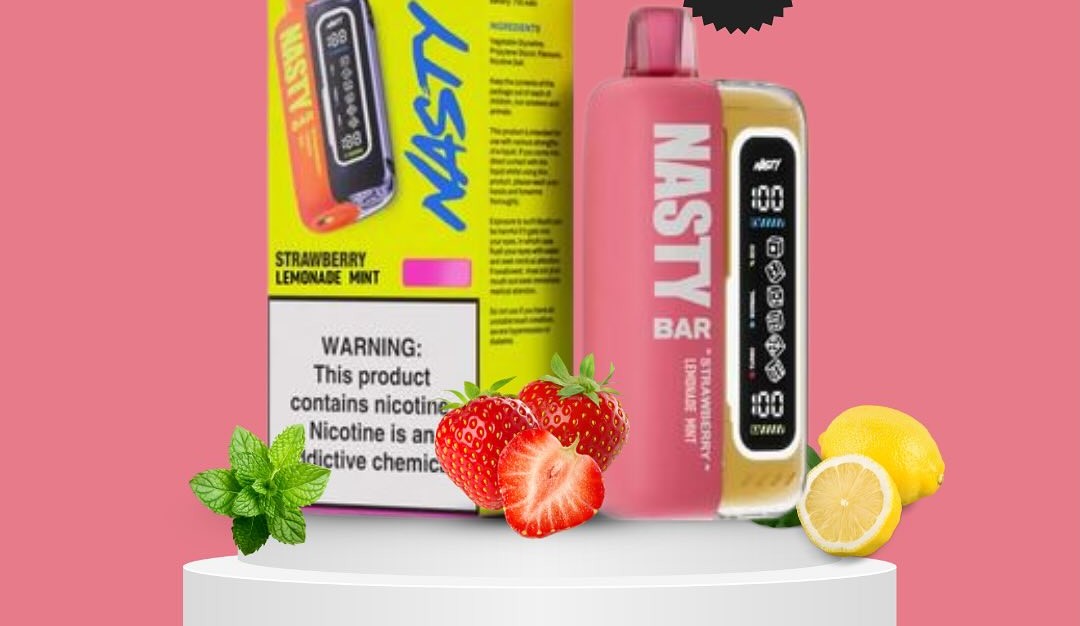
- The ARB ruled against Nasty Vapes for breaching youth advertising protections via TikTok influencers.
- Five TikTok users were found to have clear brand affiliations but lacked disclosures and health warnings.
- The case highlights regulatory blind spots in influencer marketing and calls for stronger enforcement.
In South Africa’s fast-moving influencer economy, the line between content and covert advertising is growing dangerously thin.
A recent ruling by the Advertising Regulatory Board (ARB) against Nasty Online (Pty) Ltd, trading as Nasty Vapes, brings this reality into sharp relief. At the heart of the ruling lies a matter of growing urgency: consumer protection through responsible advertising, particularly as it relates to addictive products and impressionable youth.
The Vapour Products Association of South Africa filed a complaint referencing 15 TikTok videos that either featured or promoted Nasty Vapes products. Several included influencers barely over 18; others were posted by users hoping to catch the brand’s attention. TikTok’s structure, a youthful audience, viral trends, and minimal content filtering, enabled what the ARB referred to as “an increase in partnerships and collaborations” that often operate outside formal advertising guidelines.
Some influencers posted giveaway-style content. Others tagged locations, bios, or affiliate pages that linked back to the brand. All of them bypassed warning labels, age gates, and disclosures that are meant to shield young users from content pushing vapour products.
Rules written, but not always followed
Clause 2 of Appendix L of the ARB’s Code of Advertising Practice sets clear restrictions. Vapour advertising may not target minors, feature those under or appearing under 25, or omit health warnings about nicotine addiction. In may also not be directed at audiences where at least 25% are underage.
Despite clear evidence that five influencers were affiliated with Nasty Vapes, either through sponsored tags, brand references, or affiliate links, none of their posts followed these requirements. There were no visible age disclaimers or nicotine addiction warnings. The ARB noted that even content filmed at sponsored events lacked responsible messaging, ultimately ruling that these posts contravened the Code.
Nasty Online did not respond to the complaint and does not appear to recognise ARB’s jurisdiction. Nonetheless, the regulator directed its members not to accept or distribute the five identified posts unless brought into compliance. While the ruling is technically non-binding on non-members, it sets a clear ethical benchmark for consumer protection through responsible advertising.
#Conviction
Get your news on the go. Click here to follow the Conviction WhatsApp channel
