


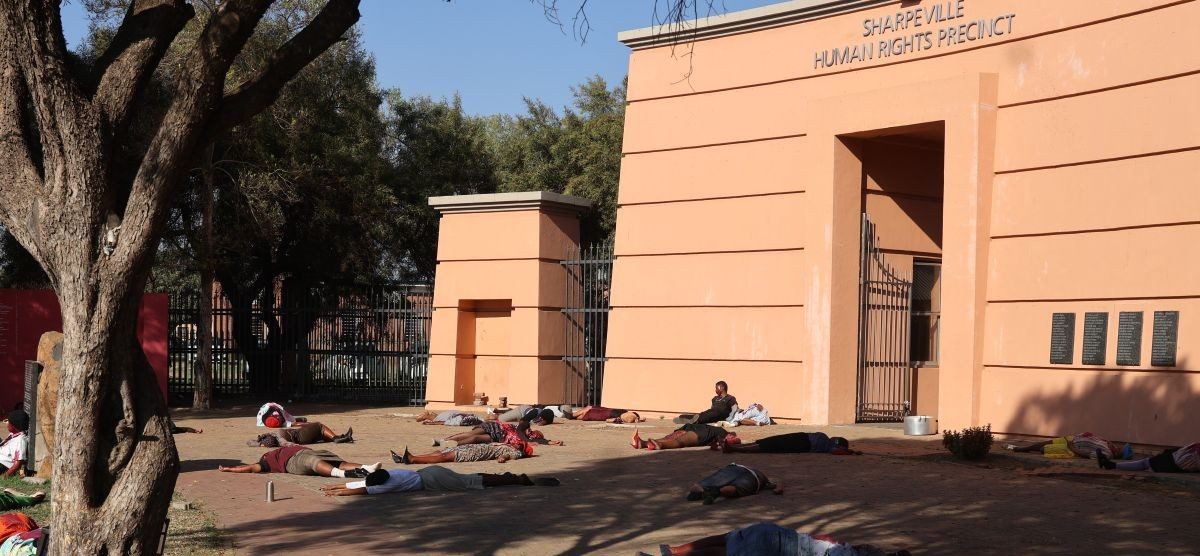
- Sharpeville survivors and the families of victims have launched a landmark class action against the South African government.
- The case aims to overturn the Indemnity Act of 1961, a law that blocked legal claims after the massacre.
- The plaintiffs are asking for meaningful reparations, community rehabilitation, and recognition of their constitutional right to seek justice.
The grief of Sharpeville has never faded. It has simply been carried from one generation to the next.
More than six decades after police opened fire on peaceful protesters, survivors and the families of those killed have taken the South African government to court in a landmark class action that they hope will finally deliver justice for one of apartheid’s darkest atrocities.
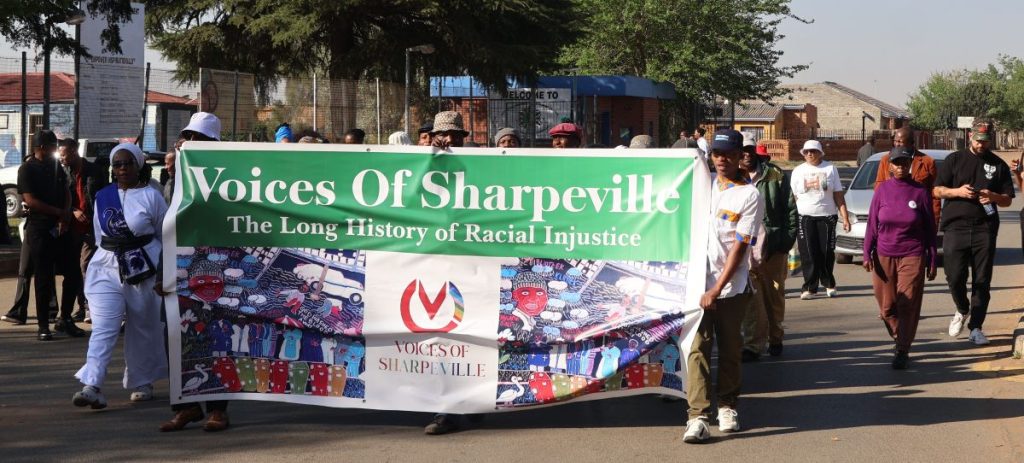
The litigation, launched in Sharpeville on Thursday, 3 September 2026, by Lawyers for Human Rights, with Leigh Day acting as consultants to the South African legal team, challenges the apartheid era Indemnity Act 61 of 1961. The law extinguished compensation claims brought by survivors and bereaved families and has remained on South Africa’s statute books ever since.
The class action represents surviving victims who were shot during the massacre and surviving dependants of those who were killed. More than 70 survivors and close family members have already expressed support for joining the litigation, with lawyers expecting that number to grow.
The law that buried justice
The case is rooted in the aftermath of the Sharpeville Massacre itself. Following the killings, 258 compensation claims were filed on behalf of injured survivors and the dependants of those who died. Rather than allowing those cases to proceed, the apartheid government introduced the Indemnity Act, protecting the state and its officials from civil and criminal liability and wiping out every outstanding legal claim.
The plaintiffs argue that the legislation violates Section 34 of the Constitution, which guarantees everyone the right of access to the courts. If the Act is declared unconstitutional, the class action will proceed as a civil damages claim.
The government may argue that the claims have prescribed because they are decades old. The legal team responds that prescription could not begin while the Indemnity Act made legal action impossible, meaning the three years should only start once the law is struck down.
“I grieve for my community”
Abram Mofokeng was 20 years old when police opened fire on thousands of unarmed people protesting apartheid pass laws on 21 March 1960. Today, at 87, he still carries the bullet lodged in his back after doctors were unable to remove it.
His suffering did not end with the shooting. After receiving medical treatment, Mofokeng was imprisoned for participating in the protest. His legal claim was extinguished by the Indemnity Act, and his application for an ex gratia payment was rejected because he had been classified as a protester.
Speaking at the launch of the case, Mofokeng said the massacre continues to shape every day of his life. “I grieve for my community; neighbours killed, families broken, and generations left without closure. Many people close to me, friends, cousins, schoolmates, were shot. I saw them on the ground.
“Some of them survived but were crippled. It is not possible to forget what happened in 1960; it traumatised us mentally and physically. I cannot go a day without thinking about how we have been affected.”
“My soul is not happy”
Paulina Mathinye was almost five years old when her father, Samson Mathinye, was killed during the massacre. His death devastated the family emotionally and financially, leaving her mother to raise her children in severe poverty.
She says she has lived her entire life without the opportunity to seek justice. “I was never able to get justice for my father’s death, and my soul is not happy. There was no opportunity for me to do so. I didn’t have the information about the TRC, so I didn’t go. The police killed my father. There is nothing that could bring him back, but I want justice to be done.”
Mathinye is joined by fellow representative plaintiff Ishmael Poho, who was six years old when his father, Gilbert Poho Dimo, was killed. Poho has described how his mother and sisters were forced to search through body bags at Sharpeville police station to identify his father before the family was denied the dignity of burying him themselves.
Both Mathinye and Poho still live in the same family homes they occupied when their fathers were killed, a reminder of how deeply the massacre shaped generations of Sharpeville families.
Beyond compensation
The plaintiffs insist the litigation is about far more than financial damages. They want South Africa to fulfil the promises made by the Truth and Reconciliation Commission almost 30 years ago.
The TRC recommended comprehensive reparations that included financial support, housing, education, healthcare, trauma counselling, mental health services and community rehabilitation for communities devastated by apartheid violence.
While about 17,000 recognised victims eventually received once-off payments of R30,000, many survivors and families were excluded, and the broader programme of community reparations was never meaningfully implemented.
Sharpeville remains one of the clearest examples of that failure. Although hundreds of families were affected by the massacre, only 51 survivors were formally recognised through the TRC process, and many relatives say they received no meaningful assistance despite living with the consequences of the killings for generations.
Lawyers for Human Rights says the survivors want genuine engagement with government, but believe legal action is necessary to ensure their voices are heard.
“The plaintiffs want to enter into dialogue with the South African Government and invite them to meet with the wider cohort of survivors and their families to discuss appropriate reparations, informed by the recommendations of the TRC. But they are under no illusions that they must carry a legal stick if their voices are going to be listened to.”
An unfinished chapter of democracy
The Sharpeville Massacre claimed at least 91 lives and left more than 238 people wounded after police fired 1,362 rounds into an unarmed crowd of about 5,000 peaceful protesters. Most victims were shot in the back as they tried to flee.
The massacre became a defining moment in South African history, helping to galvanise the global anti apartheid movement and later giving Human Rights Day its symbolic home in Sharpeville. Yet survivors argue that remembrance has never been matched by justice.
Leigh Day partner Dan Leader said the case represents unfinished business for democratic South Africa. “This is a time of reckoning for modern South Africa. For any successful political transformation, it is vital that the past is confronted, and that justice is done and seen to be done.
“That is unfinished business for South Africa, and through this case the people of Sharpeville intend to fight on until it has been completed.”
Get your news on the go. Click here to follow the Conviction WhatsApp channel.
