


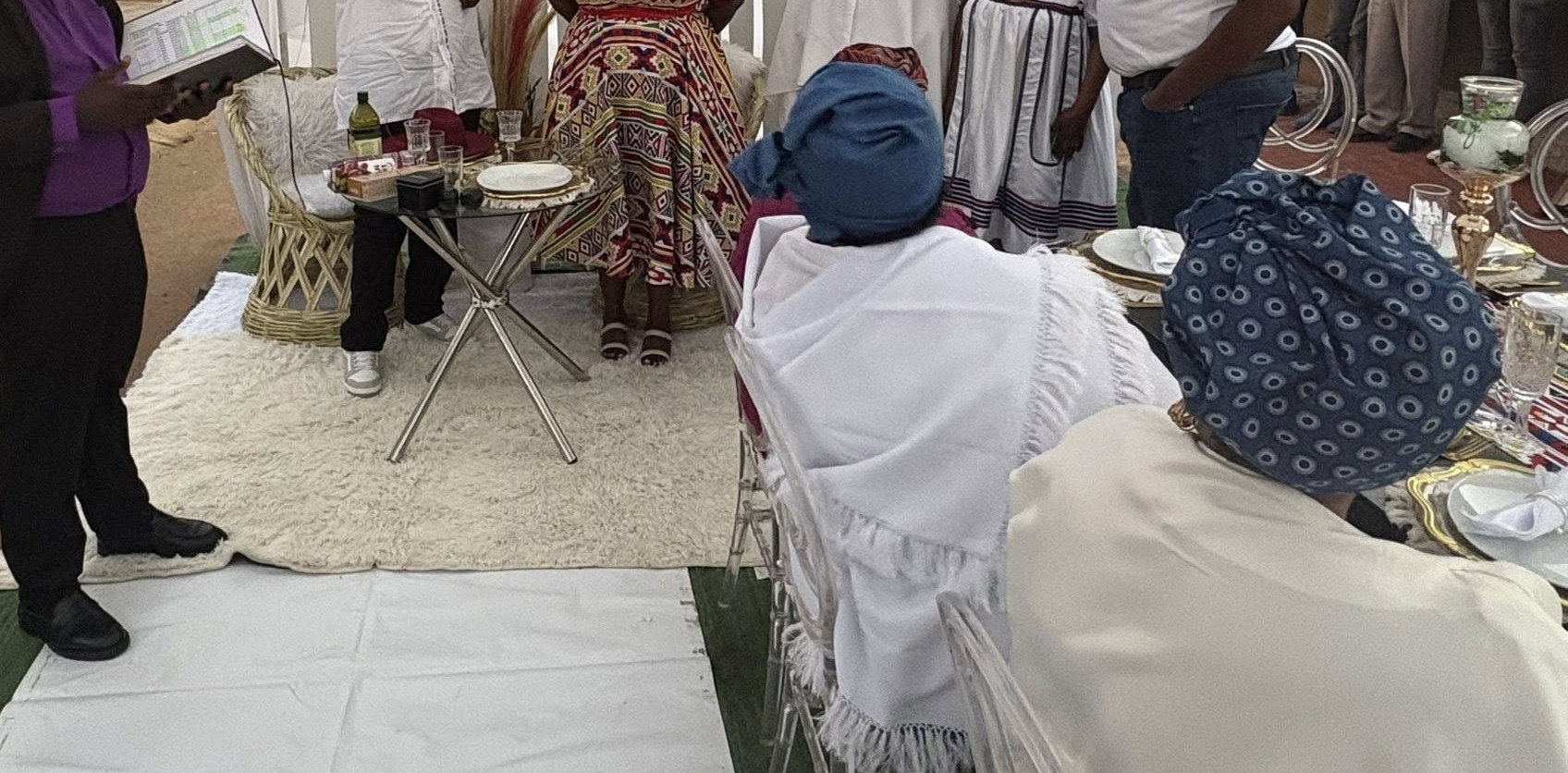
- Customary marriage is legally recognised in South Africa, but only if it meets specific legal and cultural requirements, including consent, age, and traditional celebration.
- Lobolo does not have to be fully paid for the marriage to be valid, but incomplete lobolo or lack of registration can lead to legal disputes over divorce, inheritance, or property rights.
- A customary marriage, like a civil one, can only be ended through a court-ordered divorce, and it automatically creates a community of property unless an ante-nuptial contract is signed beforehand.
Customary marriage in South Africa is more than a celebration of culture and tradition. It is a legally recognised relationship that carries serious consequences for property, divorce, and inheritance. Yet many couples do not fully understand what makes such a marriage legally valid, nor the implications if things go wrong. From lobolo to legal registration, and from polygamy to divorce, the law governing customary marriage can protect or harm you, depending on how well you understand it.
South Africa’s Recognition of Customary Marriages Act, passed in 1998, was a major step forward in giving legal status to marriages entered under African customary law. But that status is not automatic. Without knowing the legal requirements, some couples find themselves unprotected in the event of a death, divorce, or dispute.
Legal validity depends on more than tradition
A common belief is that once lobolo has been paid or a traditional celebration has been held, the marriage is recognised by law. However, that is not always the case. For a customary marriage to be legally valid in South Africa, both parties must be at least 18 years old, they must both consent to the marriage, and the marriage must have been negotiated and celebrated in accordance with customary law. Registration with the Department of Home Affairs is not required at the outset, but it is strongly advised to provide legal proof and avoid disputes.
Couples often discover too late that their traditional marriage was never legally valid. This can have serious consequences if one spouse dies or if the relationship ends, especially when there are disputes over property, pensions, or children.
Lobolo matters, but it is not everything
Lobolo remains one of the most significant elements of a customary marriage, both culturally and symbolically. It represents respect between families, commitment, and community bonds. But in legal terms, the payment of lobolo is not the single deciding factor in whether a customary marriage is valid.
There are many cases where lobolo was agreed upon and partially paid, but the final payment was delayed or never completed. In such cases, the courts have confirmed that a customary marriage can still be legally valid if the marriage was celebrated according to tradition, and if both families recognised it as a marriage. The recognition by the community and the families plays a central role in proving the existence of the marriage.
However, difficulties often arise when the relationship breaks down or a spouse passes away. One party may dispute that a marriage ever existed, especially in the absence of full lobolo payment or official registration. In those situations, the spouse who seeks legal recognition may face obstacles in accessing maintenance, inheriting property, or asserting parental rights.
A customary marriage creates a joint financial life
Unless a couple signs a legal agreement beforehand, a customary marriage automatically places both spouses into a community of property regime. This means that everything either spouse owns, and everything they owe, becomes shared. This includes debts, inheritances, and property acquired before and during the marriage.
Couples who want to protect their individual assets or define different terms must sign an ante-nuptial contract, also known as an ANC, before concluding the marriage. Many people are unaware of this and only discover the consequences when trying to divide assets or settle a dispute. The assumption that tradition exists separately from law can lead to enormous financial complications.
Polygamy is allowed under the law, but with strict conditions
Customary law allows for polygamous marriages, where a man may marry more than one wife. However, this is not a casual or automatic process. When a man wishes to enter another customary marriage, he must apply to a court for approval. The court must be satisfied that there is a written plan for how the existing and future wives will be supported financially, and how property will be divided. Without this court order, the second marriage may not be legally recognised, and could lead to serious conflict between families, especially after death or divorce.
Importantly, a person cannot be married to one spouse under customary law and then marry another under civil law. The first valid customary marriage will take legal precedence, and any civil marriage to a different person would be invalid. Only one legal marriage can exist at a time unless a polygamous union is properly entered into and authorised.

Customary and civil marriage can coexist but only with the same person
Some couples choose to marry first under customary law and later register a civil marriage. This is allowed, provided it is with the same partner. This dual marriage gives couples the opportunity to celebrate their union traditionally and still access the full administrative and legal benefits of civil marriage. It does not, however, create two separate marriages. It is one continuous legal relationship.
Where the same person tries to marry a second partner under a different legal system, that union will not be recognised. The confusion has led to countless legal battles over who the legal spouse is, especially in inheritance claims and family disputes.
Ending a customary marriage requires a court, not tradition
In the eyes of the law, no marriage, whether civil or customary, can be ended by mutual agreement, separation, or the return of lobolo alone. A valid customary marriage must be dissolved by a court through a formal divorce process. This is clearly stated in Section 8 of the Recognition of Customary Marriages Act.
To succeed in divorce proceedings, the court must be convinced that the marriage has broken down irretrievably and cannot be restored. The Divorce Act of 1979 applies fully to customary marriages, meaning that issues such as maintenance, property division, and childcare are handled in the same way as in civil divorce cases.
Before granting a divorce, the court will require proof that a valid customary marriage exists. This proof may include a marriage certificate, if the marriage was registered, or other forms of evidence such as witness statements, photos of the ceremony, or testimony about lobolo negotiations. A marriage that was never registered can still be dissolved, but the process is often longer and more complex.
A legal bond as strong as tradition
A customary marriage is not simply a cultural milestone. It is a powerful legal contract that determines your financial and personal future. Without understanding the law that governs these marriages, couples risk losing their rights or being left unprotected when it matters most.
Whether you are entering into a customary marriage, already living in one, or facing its dissolution, take the time to understand your legal position. Register your marriage, know your financial regime, and seek legal advice where needed. When custom meets law, it is not only your identity that is at stake; it is your future.
Conviction.co.za
Get your news on the go. Click here to follow the Conviction WhatsApp channel.
