


- The Barolong Boo Ratshidi Community lodged a land claim for the farm back in 1998.
- The community accepts that developed areas cannot realistically be restored but wants rights to the vacant land so it can participate in future development.
- The Land Court found that the municipality did not show that restoring the vacant land would harm the public interest.
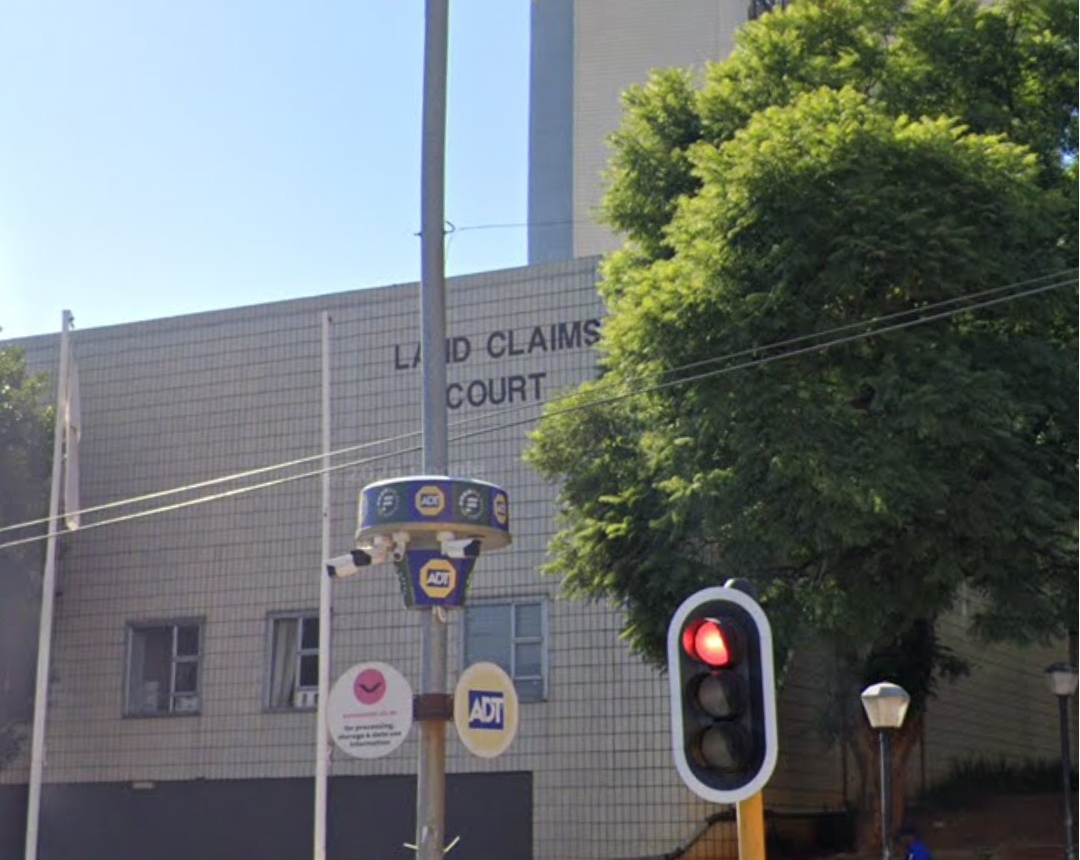
Mahikeng Local Municipality could not stop the restoration of rights to the vacant land for the Barolong Boo Ratshidi Community after the Land Court dismissed its bid to exclude the entire farm from land restitution.
Acting Judge A Montzinger ruled that the municipality had not shown that giving back rights to the vacant and undeveloped parts of Mmabatho Town and Townlands 301 JO would harm the public interest. The farm, which is about 9 400 hectares in size, forms part of the urban area of Mahikeng, the capital of North West province.
The municipality said the land was needed for housing, industrial development and future urban expansion. But the Barolong Community said it did not want developed properties, only to have its rights in vacant land restored so they could benefit from future projects.
Community wants rights to vacant land
The Barolong Community lodged its land claim in 1998. The land had been taken to establish Mmabatho as the capital of the former Bophuthatswana. The Commission on Restitution of Land Rights found that the late Kgosi Fred Montshioa donated the land without consulting or getting a mandate from the community. Families were later removed.
In 2014, the Commission recommended that the developed areas should not be returned but that vacant land and land earmarked for development should go to the Barolong Traditional Council. The municipality opposed this, saying the entire farm fell within its urban development area and was needed for future projects.
It also pointed to its housing backlog, with 43 859 people registered on the National Housing Needs Register, and plans to build around 8 720 homes on Portion 54. However, the community argued that restoring its rights would not stop the municipality from developing the land.
Development plans not enough to stop restitution
The municipality argued that giving the land back would not be in the public interest and would hurt the public. Judge Montzinger looked at the principles from the Constitutional Court case Kwalindile Community v King Sabata Dalindyebo Municipality.
That judgment makes it clear that land cannot be excluded from restitution just because it is part of a municipality’s urban development plans. The judge explained that a municipality’s spatial development framework lays out how land should be developed, but not who should own it.
“The Spatial Development Framework therefore tells the Court what the Municipality would like to see built on the vacant land. It does not tell the Court why the Municipality, rather than the dispossessed community, must own it,” Judge Montzinger said.
The municipality also pointed to plans for an industrial development precinct covering about 890 hectares, with another 201 hectares set aside for future industrial development.
But the land remained undeveloped, and the municipality had not provided enough evidence of a budget, environmental authorisation or a timetable for implementation. The judge said that having future development plans alone could not justify blocking restitution.
Municipality fails to prove public harm
The municipality also argued that the unresolved land claim created uncertainty, discouraged investors and made development harder. But the judge found no evidence that any development had been lost or that an investor had pulled out because of the claim.
The municipality had kept selling parts of the farm, approving developments and updating its planning documents despite the land claim. Judge Montzinger also rejected the argument that the community could not develop the land, saying this was not a requirement for restitution.
The judge found that the municipality had not shown that giving rights to the vacant land would harm the public interest or cause substantial prejudice before the land claim was finally decided.
The application was dismissed, and the municipality and its municipal manager were ordered to pay the Barolong Community’s legal costs together and individually.
Get your news on the go. Click here to follow the Conviction WhatsApp channel.
