


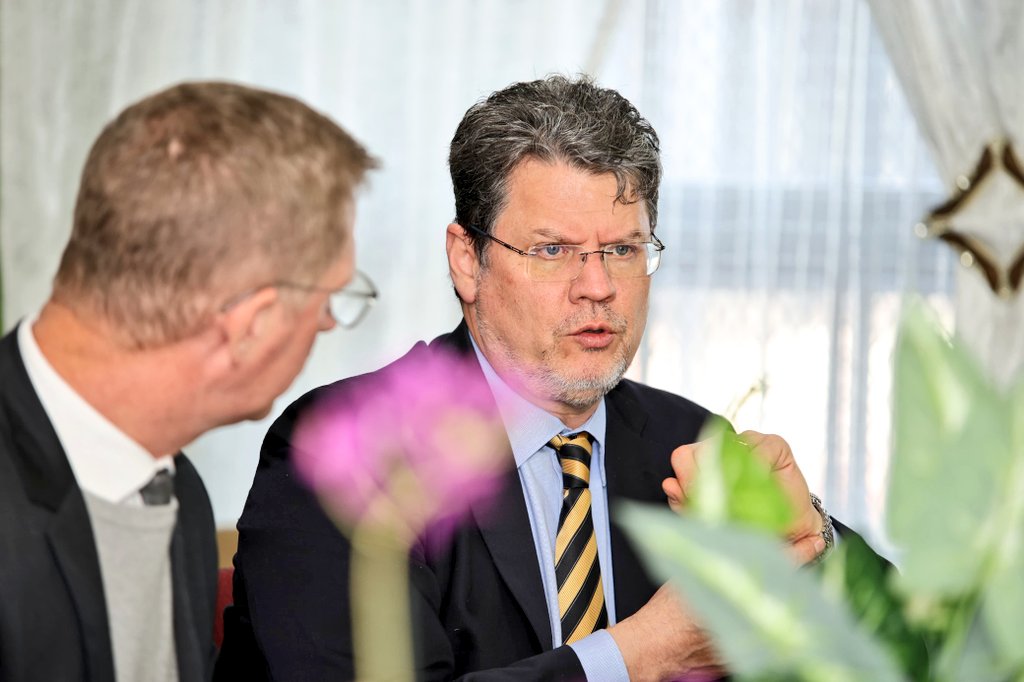
- Deputy Minister warns that digital disinformation poses a direct threat to democracy.
- Disinformation now incites unrest, undermines institutions, and exploits algorithmic bias.
- Urgent call for digital literacy, platform accountability, and rights-based regulation.
“We live in an age where a tweet can spark a riot,” said Deputy Minister Andries Nel, speaking at the South African Human Rights Commission’s 2025 workshop on disinformation.
These words are more than a warning, they’re a reflection of a nation on edge. In a society shaped by both apartheid-era propaganda and modern algorithmic manipulation, South Africa stands at a digital crossroads.
Disinformation, false content spread with intent to deceive, is no longer a fringe concern. It is a democratic emergency. Whether around elections, health conspiracies, or attacks on public institutions, digital falsehoods move faster than fact, shaping sentiment, inciting unrest, and corroding trust.
South Africa’s history of state-sponsored disinformation during apartheid offers a cautionary tale. Today, digital provocateurs, foreign and domestic, exploit algorithmic bias and public gullibility to sow division. The result? Eroded trust in institutions, amplified prejudice, and a weakened democracy.
Digital destabilisation: When lies go viral
Gauteng Judge President Dunstan Mlambo recently warned of “wanton unfounded criticism of the judiciary,” amplified across digital platforms. This isn’t a technological glitch. It’s the evolution of destabilisation tactics, now orchestrated through likes, shares, and algorithmic blind spots.
Nel warned that “disinformation is a direct threat to democracy,” capable of “inciting violence, eroding trust in institutions, and reviving old patterns of division.” He described the current environment as one where “truth simply cannot keep up” with the speed at which lies spread.
To resist this wave, South Africa must invest significantly in digital literacy across schools and communities, fostering a citizenry capable of navigating the complex media landscape with critical awareness. Nel said this was essential to “build resilience from the ground up.”
He also called for support for “independent journalism and fact-checking organisations, so that truth has trusted defenders.” At the same time, he emphasised the need to hold technology companies accountable for “how their platforms are amplifying harm.”
Institutions such as the South African Human Rights Commission and the Information Regulator, he said, must be strengthened to play a more active role in protecting the country’s information environment, especially during election cycles.
A human rights-based solution to an algorithmic problem
Nel advocated for “a human rights-based response to disinformation,” one that safeguards freedom of expression while also curbing malicious manipulation. He endorsed the UN Global Principles for Information Integrity as a guiding framework, urging “governments, advertisers, AI developers and platforms” to act in the public interest without stifling dissent.
“The message is simple,” Nel concluded. “We all have a role to play. Truth needs defenders. In this climate, every citizen must step up.”
In a digital society where a single tweet can spark a riot, safeguarding information integrity is no longer optional; it is essential to democracy’s survival, he added.
#Conviction
Get your news on the go. Click here to follow the Conviction WhatsApp channel.
