


- The High Court found that education authorities could not reasonably have foreseen the drowning of two learners.
- The judge held that sufficient safety measures and warnings had been put in place at the camp.
- The parents’ claims failed at the absolution stage due to a lack of evidence establishing negligence.
A school camp tragedy that claimed the lives of two Grade 12 learners has ended without legal consequences for education authorities, after the High Court in the Western Cape found no evidence of negligence.
Acting Judge PS Van Zyl granted absolution from the instance in a claim brought by the grieving families of the deceased learners, finding that the evidence did not establish a prima facie case requiring the defendants to answer.
Background to the drowning tragedy
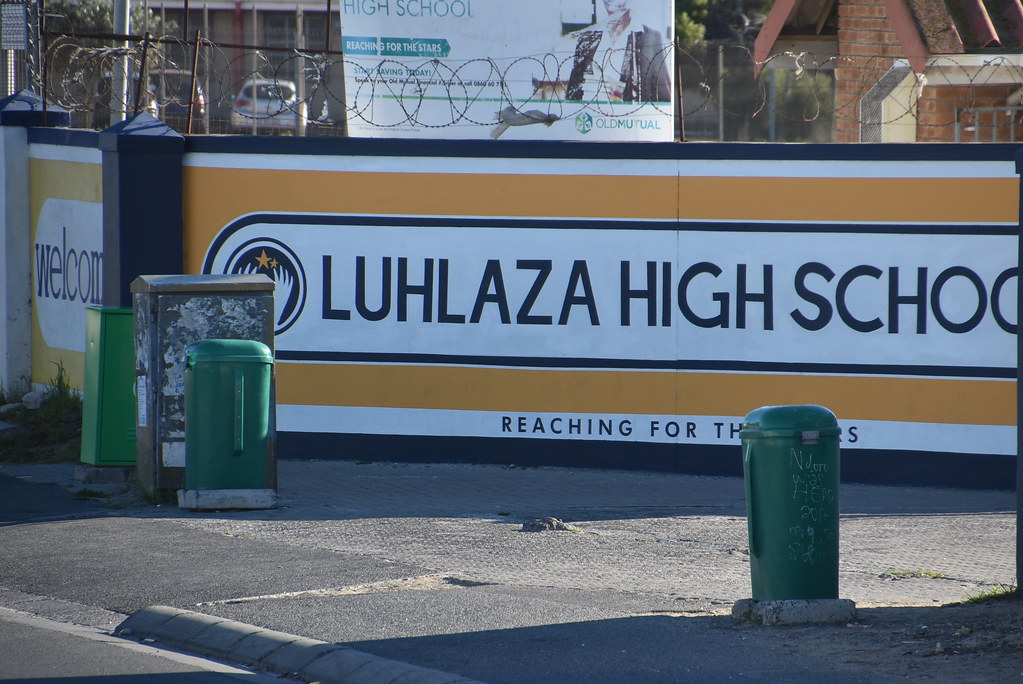
The matter stems from a tragic incident on the night of 13 October 2014, when two learners from Luhlaza High School drowned during a matric revision camp at a campsite in Strandfontein. The boys, aged 17 and 18, had attended the camp under the supervision of educators and staff arranged by the Western Cape Department of Education.
Their parents instituted a damages claim against the Member of the Executive Council for the Western Cape Department of Education and the Minister of Education, arguing that negligence by school authorities had led to the deaths of their children. The claim covered damages for emotional shock, trauma, post-traumatic stress, depression, and funeral expenses.
The defendants applied for absolution from the instance at the close of the plaintiffs’ case, arguing that the evidence failed to establish negligence.
Evidence before the court
The court heard evidence from two key witnesses. The first was a fellow learner who had attended the camp, and the second was a teacher who had been responsible for supervision.
The learner testified that the group had been clearly instructed not to swim and were required to be in bed by 10pm because of the academic programme. He explained that later that night, after the educators had retired, some learners made their way to the pool and others followed. When they returned, the two boys were nowhere to be found.
The teacher confirmed that strict instructions had been given prohibiting swimming. He explained that checks were conducted at 10pm and again at 11.30pm, and that all appeared calm before he left the camp at around 00.20am. He added that the pool was fenced and that a camp manager, a security guard, and parents remained on site overnight.
Importantly, there was no evidence explaining exactly how the drowning occurred. Judge Van Zyl observed, “There is no evidence from which the exact circumstances of their deaths could be gleaned.”
Parties’ arguments on negligence
The parents argued that the school had failed to properly supervise the learners and should have foreseen the risk posed by the swimming pool. They contended that additional precautions ought to have been taken to prevent access to the pool.
The defendants maintained that reasonable steps had been taken. They pointed out that the learners had been repeatedly warned that swimming was prohibited and that supervision had been exercised throughout the evening. They further contended that the learners’ decision to go swimming was a deliberate act of disobedience that could not reasonably have been prevented.
On the issue of legal duty, the parents argued that the school stood in loco parentis and owed a duty of care to the learners. The defendants raised concerns about whether such a duty extended to an 18-year-old learner, but the court accepted, for the purposes of the application, that a duty of care existed.
Court’s findings on foreseeability and negligence
Judge Van Zyl held that the central question was whether the defendants could reasonably have foreseen the drowning and whether they failed to take reasonable steps to prevent it.
The court emphasised that negligence is determined not with hindsight, but based on what a reasonable person would have foreseen at the time. Judge Van Zyl explained, “The court had to consider whether there is evidence upon which a court, applying its mind reasonably, could find that the defendants were negligent.”
On the evidence, the court found that the learners had been clearly instructed not to swim and that no swimming was permitted at any stage. The judge accepted that supervision had been exercised and that safety measures, including fencing and instructions to security, were in place.
Judge Van Zyl observed, “There is no evidence from which the exact circumstances of their deaths could be gleaned,” highlighting the absence of proof linking the defendants’ conduct to the tragedy.
The court further found that requiring constant supervision throughout the night, including guarding the pool continuously, would impose an unreasonable standard. Judge Van Zyl explained, “To guard against the possibility of a single pupil slipping away… would require that each pupil should be kept under continuous supervision. It would not be reasonable to expect the appellants to have taken such steps.”
In assessing the conduct of the learners, the court noted that they were 17 and 18 years old and could reasonably be expected to act responsibly. Their decision to go to the pool in defiance of clear instructions weighed against a finding of negligence.
Absolution and costs
Having found that the plaintiffs failed to establish a prima facie case, the court granted absolution from the instance, meaning the defendants were not required to present their own case.
Despite the outcome, the court declined to award costs against the parents. Judge Van Zyl acknowledged the profound loss suffered by the families and noted that the defendants had not pressed for a costs order.
Judge Van Zyl concluded, “This court has much sympathy for the plaintiffs, as a parent, one cannot fathom their pain,” but held that, however deep that sympathy ran, the evidence simply did not support a legal finding of negligence.
Get your news on the go. Click here to follow the Conviction WhatsApp channel.
