


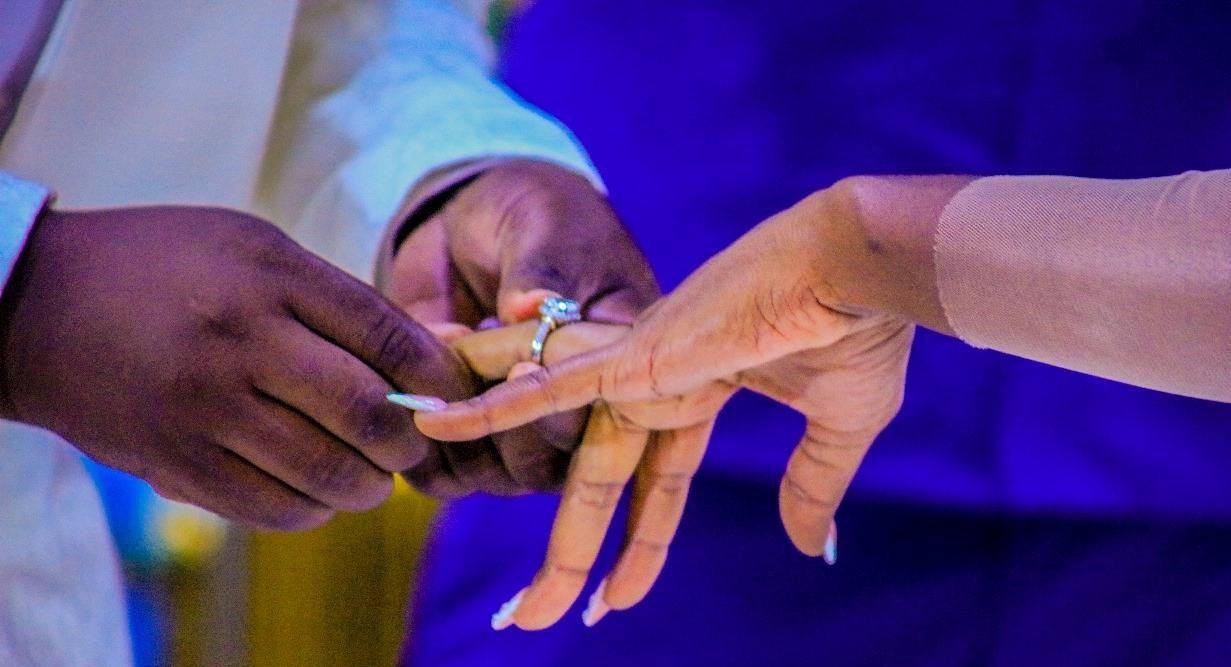
- South African citizens and foreign nationals may legally marry if they meet the requirements of South African law.
- Marriage does not automatically grant a foreign spouse a visa, permanent residence or South African citizenship.
- Citizenship, visas and permanent residence each have separate legal requirements and application processes.
Marriage between a South African citizen and a foreign national is recognised under South African law, but the legal consequences of that marriage are often misunderstood.
ALSO READ: Foreign national married to South African wins citizenship, Home Affairs found in contempt
While a valid marriage creates a legally recognised relationship, it does not automatically give a foreign spouse the right to live permanently in South Africa or become a South African citizen.
The issue has received renewed attention following a recent judgment in the High Court in Pretoria involving the citizenship application of a foreign spouse and the ongoing immigration debate sparked by the March and March movement.
The judgment has highlighted the legal pathways available to foreign nationals who qualify to live, work or become citizens in South Africa, while the movement has focused public attention on undocumented immigration.
Marrying a foreign national is legal
South African citizens may legally marry foreign nationals under the Marriage Act 25 of 1961 or, where applicable, the Civil Union Act 17 of 2006.
Before a marriage can take place, both people must be legally free to marry, meaning they are not already married unless a previous marriage has ended through divorce or the death of a spouse. Both must also freely consent to the marriage and meet the legal age requirements.
The foreign national must be lawfully present in South Africa and hold a valid passport together with the appropriate immigration status. The marriage must be solemnised by a registered marriage officer in the presence of two competent witnesses.
Documents required before the wedding
Before the marriage is registered, both parties must provide documents confirming their identities and their legal capacity to marry.
A South African citizen will generally be required to produce a South African identity document and, where applicable, proof that a previous marriage has legally ended.
A foreign national will usually need a valid passport, proof of lawful entry into South Africa, documents relating to any previous marriage and, in many cases, a Letter of No Impediment issued by the authorities in their country of citizenship confirming that they are legally free to marry.
Where documents originate outside South Africa, they may need to be translated into English and authenticated before they are accepted.
Home Affairs may verify the marriage
Where one of the people is a foreign national, the Department of Home Affairs may conduct additional verification before registering the marriage. Officials may interview the couple and request supporting documents to establish that the marriage is genuine and not simply for immigration purposes.
Marriage does not change immigration status
One of the most common misconceptions is that marrying a South African citizen automatically gives a foreign spouse the right to live permanently in South Africa or become a citizen.
Marriage creates a legally recognised relationship between two people, but it does not automatically change the foreign spouse’s immigration status.
Visas, permanent residence and citizenship are governed by separate laws. A foreign spouse who wishes to remain in South Africa must therefore comply with the Immigration Act and apply for the appropriate immigration status.
Understanding the spousal visa
A foreign husband or wife who wishes to live in South Africa with their South African spouse may apply for a spousal visa if they satisfy the requirements of the Immigration Act.
Depending on the circumstances, additional authorisation may be required before the visa holder may work, study or operate a business in South Africa.
A spousal visa is different from permanent residence, and neither a spousal visa nor permanent residence automatically results in South African citizenship.
Citizenship follows a separate legal process
Marriage alone does not entitle a foreign national to South African citizenship. A foreign spouse may qualify for citizenship by naturalisation if the requirements of the South African Citizenship Act have been met.
Citizenship applications are assessed in terms of the legislation and its regulations, not simply because the applicant is married to a South African citizen.
A recent High Court judgment clarified the law
The legal position was reaffirmed in a recent High Court judgment involving Mikhail Sakharov, a foreign national who had been married to a South African citizen for more than five years and who had already obtained permanent residence.
Home Affairs refused to process his citizenship application because it required him to verify his permanent residence status before applying.
The High Court ruled that once an applicant satisfies the requirements of the South African Citizenship Act, Home Affairs cannot impose additional administrative requirements that are not contained in the legislation.
The court also relied on an earlier Supreme Court of Appeal judgment confirming that the department has no discretion to refuse citizenship where the statutory requirements have been met.
Get your news on the go. Click here to follow the Conviction WhatsApp channel.
