


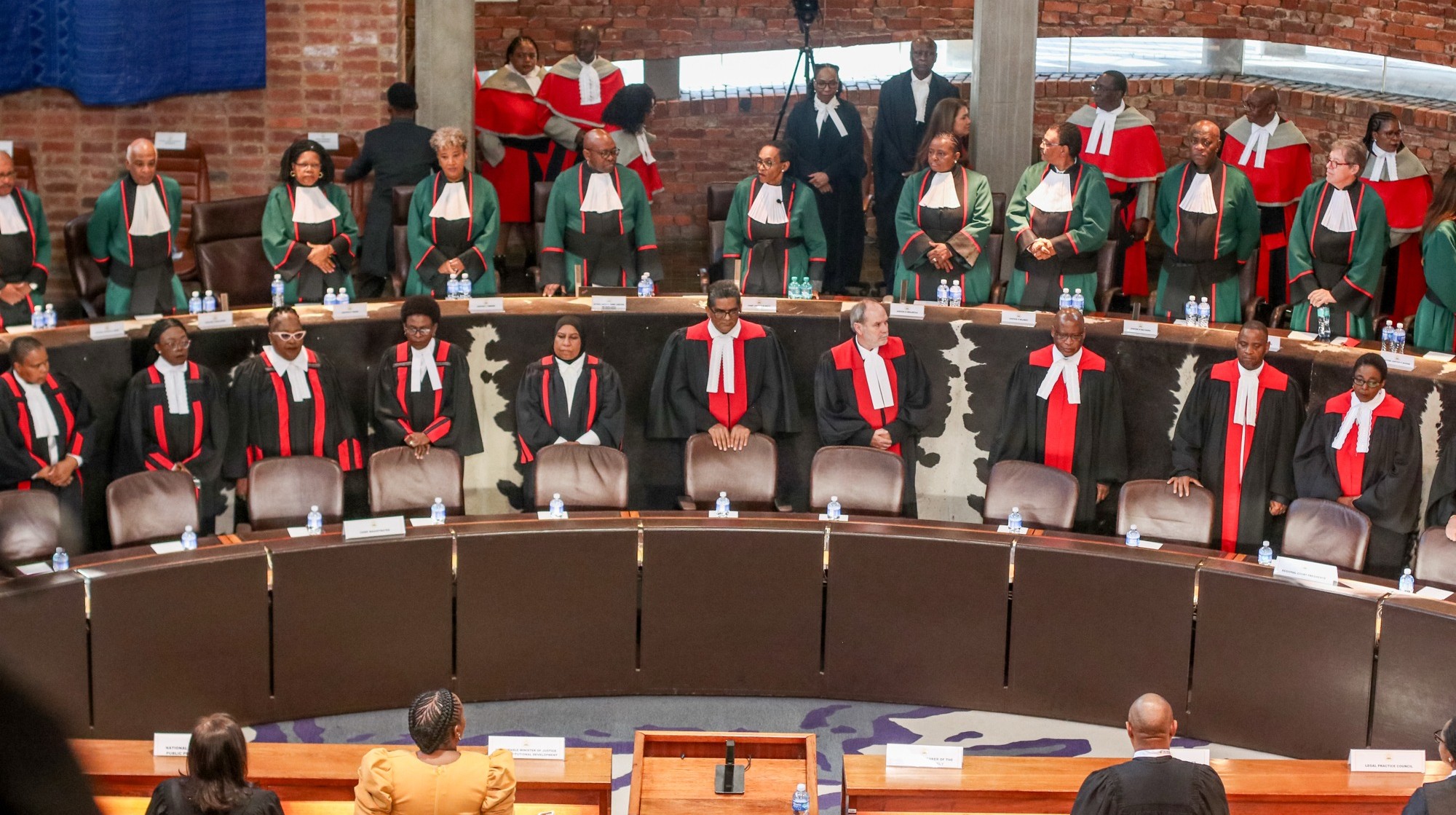
- The Constitutional Court heard the matter on 12 February 2026 after the Western Cape High Court declared parts of the Refugees Act unconstitutional for shutting newcomers out of the asylum system.
- The Scalabrini Centre of Cape Town, represented by Lawyers for Human Rights, says the provisions led to arrests, detention, and deportations without any assessment of whether people faced persecution if returned home.
- If confirmed, the ruling will remove those barriers across South Africa and restore refugee access to asylum system procedures so applications are decided on their merits.
When people fleeing war or persecution arrive at South Africa’s borders, the first question should be whether they are safe. Instead, many have found themselves locked out of the asylum system entirely.
Now the Scalabrini Centre of Cape Town, represented by Lawyers for Human Rights, has approached the Constitutional Court of South Africa to make sure a landmark High Court ruling that condemned those barriers becomes permanent law.
The case was heard on Thursday, 12 February 2026. Because the order strikes at the validity of national legislation, it must be confirmed by the apex court before it can take effect nationwide. The hearing marked the final step in a legal battle over whether South Africa’s asylum system is genuinely accessible or effectively closed to those who need it most.
How the challenge began
The litigation started in the Western Cape High Court, where the Scalabrini Centre challenged provisions of the Refugees Act and its regulations that it said had systematically denied new asylum seekers access to the asylum system.
In a judgment delivered on 15 May 2025, the court agreed and declared several sections unconstitutional. It found that the provisions had been used to block newcomer asylum seekers from even applying, with devastating consequences. People were, in the court’s words, “arrested, detained and deported without an assessment of the merits of their asylum claims.”
The court made it clear that protection starts with access. “Someone who flees war, violence, torture or persecution must be able to apply for and receive asylum,” the judgment stated. Preventing that, it said, violates the right not to be returned to danger and renders the promise of protection meaningless.
It added that procedural barriers had made the right to seek asylum “illusory,” stressing that “a person cannot be excluded from the asylum process before their claim is even heard.”
Why confirmation matters
Under Section 172 of the Constitution, a declaration of invalidity by a High Court “has no force” unless confirmed by the Constitutional Court. That is why the Scalabrini Centre returned to court, asking the judges to make the order final and binding across the country.
If confirmed, the provisions that currently bar many newcomers from accessing the system will fall away. Refugee Reception Offices will have to accept applications and assess each case on its substance rather than rejecting people because of documentation or timing issues.
The principle at stake
In submissions, the Scalabrini Centre and Lawyers for Human Rights reiterated that “denying access to the asylum system undermines the fundamental principle of non-refoulement” and “violates constitutional rights including human dignity, life and security of the person.”
They argued that the core question in any asylum case must always be whether someone faces “a real risk of persecution or serious harm if returned,” not how or when they crossed the border.
The organisations said confirmation would “restore access to asylum procedures and reaffirm South Africa’s obligation not to return individuals to environments where their life, liberty or fundamental human rights would be at risk,” adding that “South Africa cannot, must not, and is legally required not to do so.”
Judgment has been reserved.
Get your news on the go. Click here to follow the Conviction WhatsApp channel.
